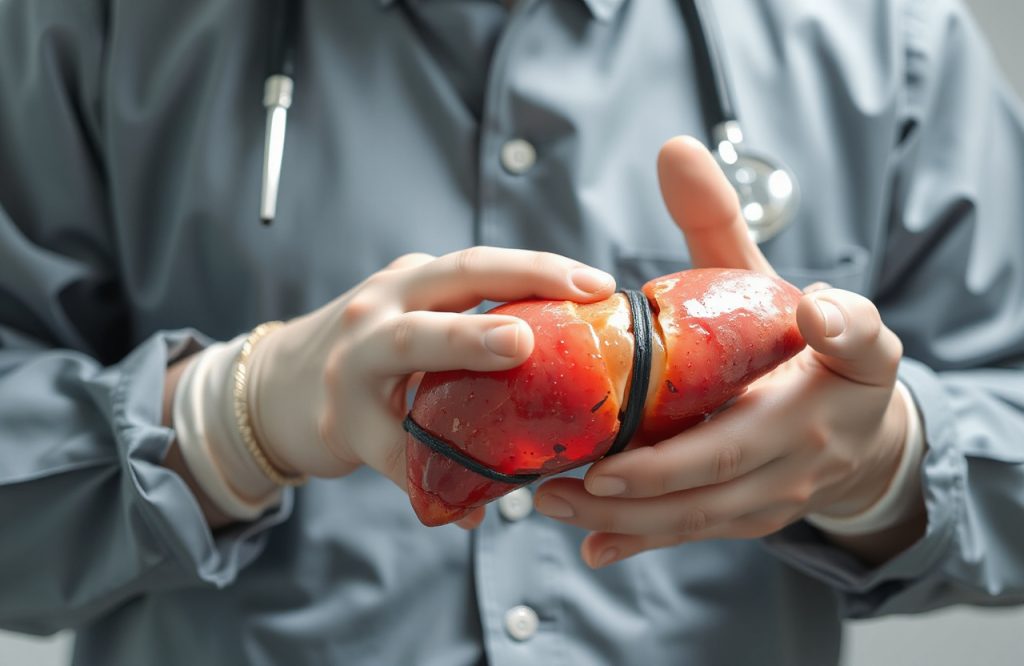
Comparative Study on Liver Transplant Storage Methods
Introduction to Liver Transplantation
Liver transplant surgery is a crucial option for patients suffering from liver failure due to conditions such as cancer, cirrhosis, and other diseases. This procedure boasts a high success rate, with approximately 70% of patients surviving five years post-surgery. However, in the United Kingdom, the demand for donor livers significantly exceeds supply, resulting in one in five patients dying while awaiting a transplant.
Challenges in Donor Liver Utilization
One of the major challenges is the actual use of available donor livers. Research indicates that only about 50% of suitable donor livers are successfully transplanted. A primary factor contributing to this issue is the damage that occurs to livers from the time they are removed from the donor until they are transplanted into a recipient.
Current Preservation Practices
The standard practice for liver preservation involves flushing the organ with a specialized preservation fluid, followed by cooling it in an icebox. This cold storage method slows the liver’s metabolism, helping to conserve vital cellular resources. However, during this process, the liver is deprived of oxygen, which can lead to further damage.
Innovative Warm Storage Method
A research team from the UK and other European nations conducted a clinical trial to compare traditional cold storage with a new warm storage method. This innovative approach allows for the continuous flow of nutrients and oxygen to the liver while it awaits transplantation. The findings from this study were published in the journal Nature.
Research Methodology
To evaluate the efficacy of the two storage methods, researchers measured liver enzyme levels, which indicate liver damage. The study involved patients scheduled for liver transplants, randomly assigning 334 livers to either the cold storage or warm storage group. Ultimately, 100 livers were transplanted after cold storage, while 120 were transplanted after warm storage.
Results of the Study
The results revealed that during the first week post-transplant, patients who received livers stored using the warm method exhibited a 50% reduction in liver enzyme levels compared to those who received cold-stored livers. This reduction indicates less injury to the transplanted liver, supporting the potential benefits of warm storage. The survival rate of all patients one year after their transplants was high and comparable between the two groups, confirming the effectiveness of the procedure.
Increased Utilization of Donor Livers
A noteworthy finding was that livers in the warm storage group had a lower discard rate, resulting in a 20% increase in the number of usable livers. Additionally, livers stored in warm conditions remained viable for approximately 12 hours outside the body, compared to 8 hours for cold-stored livers.
Implications for Liver Transplant Supply and Demand
These results have significant implications for addressing the disparity between liver transplant supply and demand. The extended viability of livers outside the body could allow for surgeries to be scheduled during daytime hours, when transplant teams may perform better.
Economic Considerations
The researchers emphasize the need for healthcare funders to evaluate the economic implications of adopting this new technology. The cost of the warm storage method ranges from £4000 to £7000 per recipient. However, the potential economic benefits include reduced graft injury, improved liver transplant utilization, and enhanced scheduling logistics.
Future Research Directions
The next phase of the project aims to determine whether livers need to remain in warm storage throughout the entire time outside the body or if they can be transitioned to warm storage upon arrival at the transplant center after a period in cold storage. This adjustment could simplify liver transportation logistics, though it may not be suitable for livers in more fragile conditions.
Conclusion
In summary, the warm storage method holds the potential to revolutionize the current liver transplant waiting lists. Ongoing research will further explore the optimal use of this new technology.
References
(1) Nasralla D, Coussios C, Mergental H, et al. A randomized trial of normothermic preservation in liver transplantation. Nature. 2018:1–7. doi:10.1038/s41586-018-0047-9.
(2) Dolgin, E. ‘Warm transplants’ save livers and lives. Nature News. https://www.nature.com/articles/d41586-018-04816-8. Last accessed April 27, 2018.