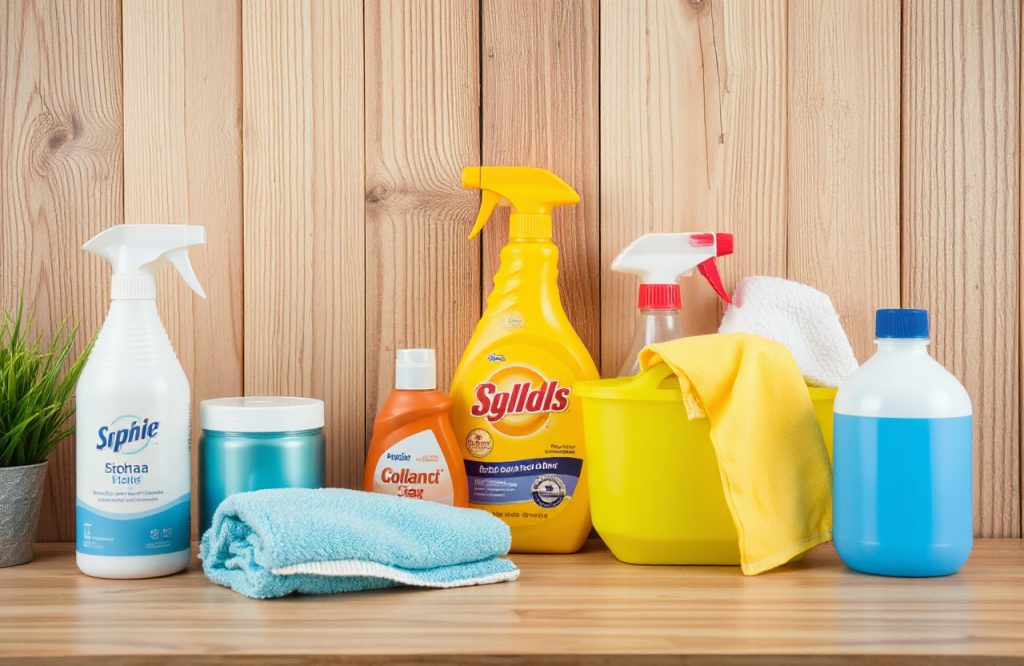
Impact of Household Cleaning Products on Childhood Asthma
Introduction to Asthma in Children
Children who are exposed to household cleaning products during their early years face a heightened risk of developing asthma and wheezing. In Canada, asthma is a chronic condition that affects approximately 3.8 million individuals, with more than 300 new cases diagnosed daily. The disease is characterized by blocked airflow due to swelling and inflammation of the airways, leading to symptoms such as wheezing, shortness of breath, coughing, and chest tightness. These symptoms can vary in intensity and can be triggered by various factors including viral infections, pets, dust, pollen, smoking, exercise, cold air, emotional stress, and air pollutants. Although the exact cause of asthma remains unknown and no cure exists, individuals with the condition can learn to manage their symptoms and avoid triggers, allowing them to lead active, fulfilling lives.
Increasing Prevalence of Asthma Among Children
The incidence of asthma diagnoses in children has significantly risen over recent decades, making it the most prevalent chronic disease in this age group and a major reason for hospital admissions in Canada. While the underlying causes of asthma are not completely understood, numerous studies have focused on the impact of hazardous exposures during early childhood. Identifying these hazardous exposures is crucial for implementing preventive measures to lower the risk of childhood asthma.
Research Study on Household Cleaning Products
Study Overview
A recent study published in the Canadian Medical Association Journal investigates the link between childhood asthma and the use of household cleaning products. The researchers analyzed data from over 2,000 parents of children enrolled in the Canadian Healthy Longitudinal Development (CHILD) cohort study. Participants were recruited from various Canadian cities, including Edmonton, Vancouver, Toronto, Winnipeg, Morden, and Winkler. The questionnaire responses revealed that the children had been frequently exposed to 26 different household cleaning products when they were three to four months old. At the age of three, the children were assessed for asthma, recurrent wheezing, or allergic sensitization (atopy). Notably, the majority of the children had no exposure to tobacco smoke and lacked a parental history of asthma.
Findings of the Study
The study found a significant association between the frequent use of household cleaning products in early life and an increased risk of developing asthma and wheezing. However, no correlation was established between the use of these products and atopy. Specifically, scented cleaning sprays were identified as posing the highest risk for these outcomes. It is believed that the chemicals in these cleaning products may harm the respiratory lining, leading to an inflammatory response rather than an allergic reaction.
Recommendations for Parents
To maintain a healthy, mold-free, and low-allergen environment, parents are advised to carefully read the labels of cleaning products. Unfortunately, Canadian manufacturers are not mandated to disclose all ingredients in their products, which complicates the decision-making process for consumers. When infants are present, adopting a cautious approach to the use of household cleaning products is advisable. Implementing this preventive measure may benefit children who are at risk for asthma.
Conclusion
The findings underscore the importance of understanding environmental factors, such as household cleaning products, that may contribute to the rising rates of childhood asthma. By taking proactive steps, parents can help mitigate risks and support their children’s respiratory health.
References
Asthma Canada. (2020). Infants and Children – Asthma Canada. [online] Available at: https://asthma.ca/get-help/asthma-3/control/infants-and-children/ [Accessed 18 Feb. 2020].
EurekAlert!. (2020). Early exposure to household cleaning products is associated with asthma and wheeze in young children. [online] Available at: https://www.eurekalert.org/pub_releases/2020-02/cmaj-eet021220.php [Accessed 18 Feb. 2020].
Ferrante, G. and La Grutta, S. (2018). The Burden of Pediatric Asthma. Frontiers in Pediatrics, 6.
Menzies-Gow, A., McBrien, C., Baker, J., Donnelly, L. and Cohen, R. (2019). Update in Asthma and Airway Inflammation 2018. American Journal of Respiratory and Critical Care Medicine, 200(1), pp.14-19.
Parks, J., McCandless, L., Dharma, C., Brook, J., Turvey, S., Mandhane, P., Becker, A., Kozyrskyj, A., Azad, M., Moraes, T., Lefebvre, D., Sears, M., Subbarao, P., Scott, J. and Takaro, T. (2020). Association of use of cleaning products with respiratory health in a Canadian birth cohort. Canadian Medical Association Journal, 192(7), pp.E154-E161.
Image by Michal Jarmoluk from Pixabay.