Impact of Refined Grains on Childhood Obesity in Offspring of Women with Gestational Diabetes
Study Overview
A recent study published in the American Journal of Clinical Nutrition has established a link between a diet high in refined grains during pregnancy and the risk of childhood obesity by the age of 7 in children born to mothers with gestational diabetes mellitus (GDM). Researchers, led by Zhu and colleagues, aimed to explore the connection between refined grain consumption in pregnant women diagnosed with GDM and the subsequent development of negative health outcomes, particularly childhood obesity.
Methodology
The research involved collecting comprehensive data on the participants’ sociodemographic, perinatal, and medical backgrounds through four computer-assisted telephone interviews conducted at gestational weeks 12 and 30, as well as postpartum months 6 and 18. Additionally, a food frequency questionnaire (FFQ) encompassing 360 items was distributed to participants at 25 weeks of gestation to evaluate their dietary intake over the preceding month. When the child turned 7 years old, parents received a follow-up questionnaire regarding their child’s health and development.
The study analyzed data from 918 mothers with singleton pregnancies sourced from the Danish National Birth Cohort (DNBC), all of whom intended to carry their pregnancies to term and had a permanent address in Denmark. Participants were identified as having GDM during interviews conducted at 30 weeks of gestation or at six months postpartum. Women with pre-existing diabetes or recurrent GDM were excluded from the study.
Outcome Measures
The primary outcomes measured in this study included each child’s birth weight and length. Parents were tasked with recording their child’s measurements at 5 and 12 months of age, which were reported during the 18-month postpartum interview. Measurements of weight and height were also collected via the 7-year follow-up questionnaire. Classification of children as overweight or obese was based on age- and sex-specific World Health Organization cut-offs, defined as being at or above the 85th percentile for children aged 5 years.
Refined vs. Whole Grains
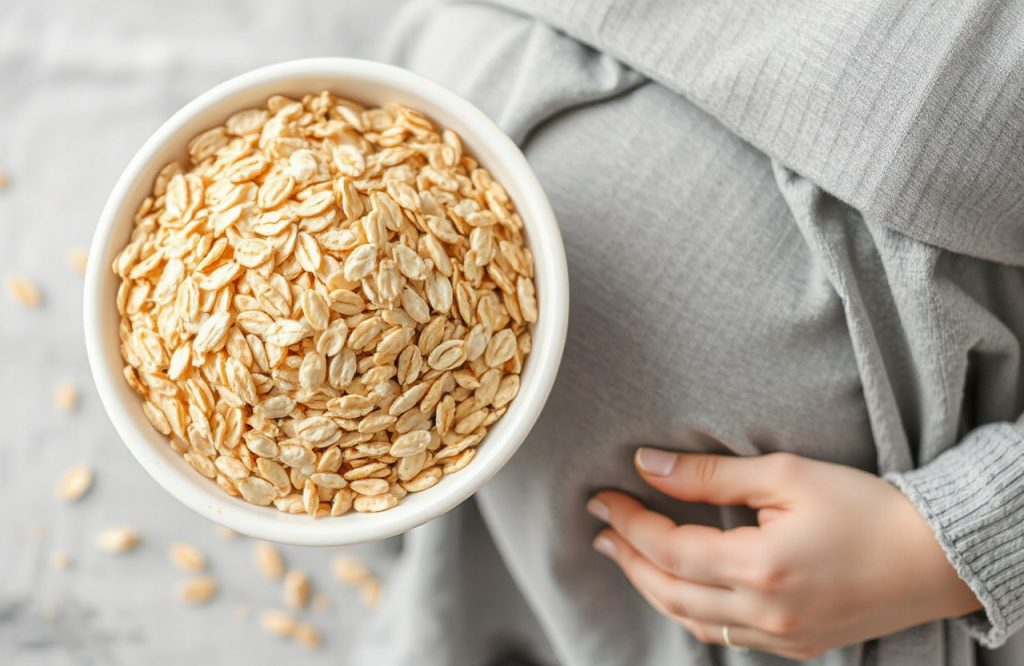
In this study, refined grains were defined to include foods such as white bread, bread rolls, rice, pasta, crisp bread, crackers, and cookies. Conversely, whole grains included items like rye bread, rye flour, whole-wheat bread, whole-wheat flour, barley grouts, wheat kernels, wheat bran, and brown rice.
Key Findings
Results indicated that the average intake of refined grains among the women in the study was 86.2 ± 49.4 g/d. Furthermore, higher consumption of refined grains was linked to increased intake of red meat and a greater likelihood of preterm deliveries. Notably, the study revealed a significant correlation between maternal refined grain intake during pregnancy and a higher incidence of overweight or obesity in their offspring by the age of 7.
Children born to mothers who consumed the highest amounts of refined grains (≥ 4.3 servings per day) were found to be 1.8 times more likely to be classified as overweight or obese compared to those born to mothers with the lowest intake levels.