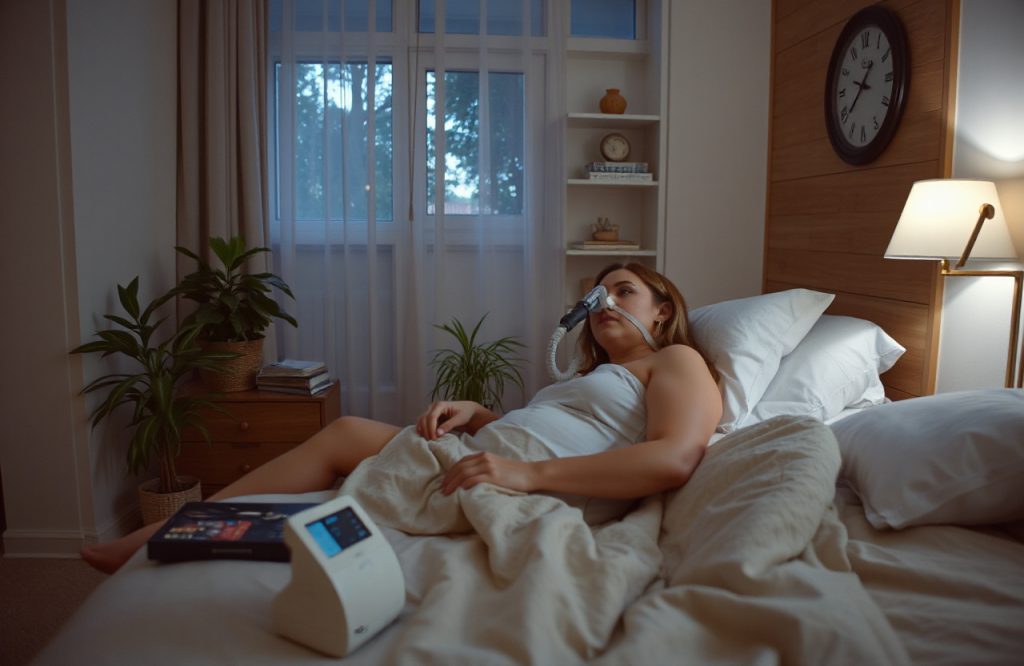
The Struggle with Sleep Apnea
The Breaking Point
At three in the morning, I reached my limit. After two hours of wrestling with my CPAP mask—adjusting straps, repositioning the nose piece, and trying to find a comfortable angle—I felt suffocated. The machine whooshed beside me while Sarah snored softly in the guest room. Frustrated, I ripped off the mask, unplugged the setup, and shoved it under the bed. I was completely done.
The Need for Help
I truly needed assistance. My snoring had become so loud that Sarah recorded it to illustrate that I sounded like a chainsaw. Some mornings, I woke up gasping, my heart racing, genuinely scared. A sleep study confirmed what we suspected: moderate sleep apnea. The doctor insisted that the CPAP was my only chance at a healthy life.
The Misery of CPAP
No one warned me about the discomfort. The mask left marks on my face that my coworkers noticed. Business trips meant hauling this conspicuous medical device through airport security, and spontaneity was out of the question. Everything hinged on finding an outlet and distilled water. After three months, I hit my breaking point.
Finding a Listening Ear
A New Perspective from Dr. Chen
During a routine cleaning six months later, Dr. Chen noticed something unusual. She gently ran her finger along my lower teeth and asked if I had been clenching my jaw at night.
“Probably,” I admitted. “I can’t use my CPAP anymore. I tried everything, but it just didn’t work for me.”
She nodded, as if she had heard this countless times before. “Many of my patients struggle with CPAP. There are alternatives, you know?”
Discovering Alternatives
Dr. Chen explained custom oral devices that keep the jaw forward during sleep, ensuring the airway remains open. Unlike the CPAP, these devices require no electricity or hoses—just pop it in like a retainer. It sounded too simple, but I was desperate enough to try.
A Transformative Experience
Adjusting to the Oral Appliance
The oral appliance felt strange initially. It wasn’t painful, but it was unusual to have something in my mouth while sleeping. However, by the fourth night, I noticed a change. I woke up naturally at 6:30 AM instead of my usual jolt at 4 AM, feeling clearheaded. Sarah remarked that I barely made any noise.
Returning to Shared Sleep
Within two weeks, we were back to sleeping in the same bed, a change that was incredibly rewarding. A follow-up sleep study revealed that the oral appliance had reduced my apnea events by about sixty percent. While it wasn’t as effective as CPAP for severe cases, it worked beautifully for my moderate apnea. Most importantly, I actually used it every night because it didn’t make me miserable.
Lessons Learned
Experiencing Common Struggles
I discovered that many people abandon their CPAPs. My sleep support group was filled with stories like mine, but I also met individuals who found solutions I hadn’t heard of. Marcus had an implant that electronically stimulates the nerve controlling his tongue, keeping his airway open. Jim used a simple vibrating device that alerts him when he rolls onto his back, costing just forty dollars. One woman lost thirty pounds, and her sleep apnea nearly vanished, noting that every ten pounds made a significant difference.
Realizing the Options
Why hadn’t anyone mentioned these alternatives before? I regretted the months spent suffering with equipment I couldn’t tolerate while other options were available.
My Current Approach
Adopting New Solutions
Now, I wear my oral appliance every night and have lost about twenty-five pounds, which significantly helped. I also invested in a wedge pillow to keep me slightly elevated and sometimes use a nasal strip if I’m congested.
Finding Balance
Is my solution perfect? No. But I sleep through the night and wake up feeling refreshed. My dread of bedtime has vanished, and Sarah and I enjoy cuddling again instead of sleeping apart. This combination of methods has proven more effective than any single solution.
For Those in Similar Situations
Advice for Others
If you find yourself awake at 2 AM, struggling with your CPAP, or your machine is gathering dust in a closet, here’s what I learned: CPAP works well for some people. My neighbor, Brian, loves his and can’t imagine sleeping without it. However, enduring a treatment that makes you miserable isn’t helpful and often leads to quitting.
Communicating with Healthcare Providers
Be open and honest with your doctor about your struggles. If they won’t discuss alternatives, seek out a sleep specialist who will. I had to find a different sleep center before someone truly listened to me. Good sleep specialists understand that compliance is more important than theoretical effectiveness.
Exploring New Treatments
Continuing the Journey
Consider various options. An oral appliance might work for you just as it did for me. Positional therapy, weight loss, or even nerve stimulation devices could be viable solutions. The field of sleep medicine is continually evolving, and new treatments are emerging.
The Importance of Sleep Health
Addressing Sleep Apnea
Ignoring sleep apnea can lead to severe health issues, including heart disease, stroke, and diabetes. However, enduring a treatment you despise is not the answer. You deserve restful sleep without the struggle of cumbersome equipment.
Finding Your Solution
I found my solution through trial and error, being honest with my doctors, and accepting that what worked for me might differ from others. Now, I sleep well, feel better, and enjoy a renewed relationship with Sarah, thanks to our shared bed.
Your solution is out there too. Don’t let anyone convince you that CPAP is your only path forward. Keep searching until you find what truly works for you. Good sleep is not a luxury; it’s essential.