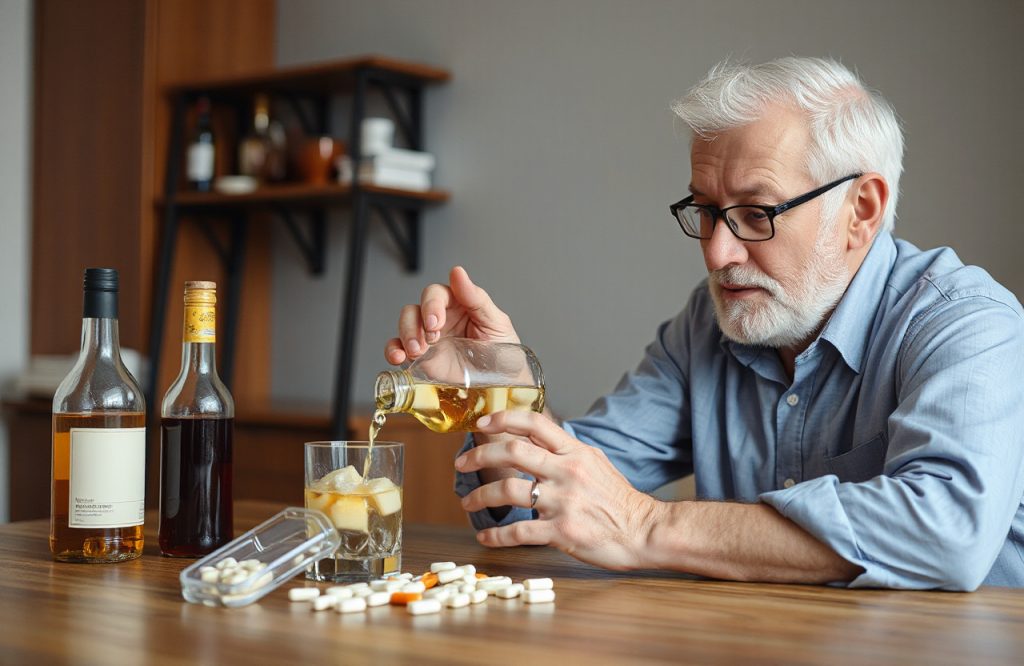
Exploring Medication and Alcohol Use Among Older Adults in the UK
Introduction
Recent research has investigated the simultaneous use of prescription medications and alcohol among older individuals in the United Kingdom. This combination can lead to significant health issues, particularly since many older adults, especially those aged 50 and above, are frequently prescribed medications that may interact negatively with alcohol.
Study Overview
The study, published in PLOS ONE, aimed to understand the patterns of medication and alcohol use, including instances of self-medication with alcohol among older adults. Researchers conducted 24 individual interviews and three focus group sessions to gather insights about the behaviors of individuals over the age of 50. Participants were questioned about their prescription medication use, its interaction with alcohol, and whether their healthcare providers had addressed these concerns with them.
Key Findings
The analysis of the interview and focus group data revealed four prominent themes regarding alcohol and medication use.
1. Mixing Alcohol and Medication Despite Risks
Many participants acknowledged their awareness of the risks associated with combining alcohol and medication yet chose to continue this practice. Some participants reported they experienced side effects but persisted in their behavior, while others did not perceive any adverse effects.
2. Lack of Awareness Among Healthcare Professionals
Several participants expressed that their healthcare providers were often unaware of their alcohol consumption. One individual noted that their doctor had never inquired about their drinking habits, while another mentioned a lack of warnings regarding potential interactions between their medications and alcohol.
3. Prescription Medication Influencing Alcohol Consumption
Some participants recognized the dangers of mixing alcohol with their prescribed medications and subsequently reduced or ceased their alcohol intake. Changes in drinking behavior were sometimes motivated by negative past experiences or recommendations from healthcare providers.
4. Self-Medicating with Alcohol
Participants frequently reported using alcohol as a form of self-medication to manage physical pain, sleep issues, or mental health challenges such as anxiety and depression. While some individuals described alcohol as a helpful coping mechanism for their depression, others identified it as a contributing factor to their mental health struggles.
Conclusion
The findings of this study align with previous research indicating that the concurrent use of alcohol and medication is prevalent among older adults. The study underscores the need for healthcare professionals to consider alcohol consumption when prescribing medications. Additionally, patients should be informed about the potential consequences of mixing alcohol with medications. Future research should aim to explore these patterns in broader populations to enhance the understanding of this issue.
Reference
Haighton, C., Kidd, J., O’Donnell, A., Wilson, G., McCabe, K., & Ling, J. (2018). ‘I take my tablets with the whiskey’: A qualitative study of alcohol and medication use in mid to later life. PLOS ONE, 13(10). doi:10.1371/journal.pone.0205956