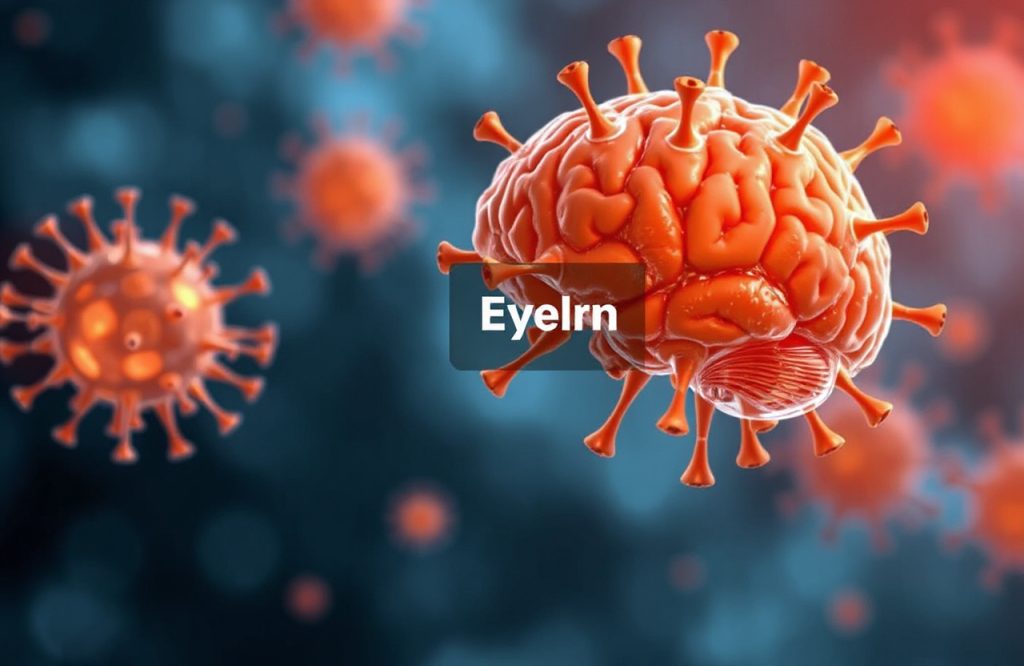
The Role of the Brain’s Immune System in Psychiatric Disorders
Introduction to Microglial Cells
There is a growing interest in understanding the brain’s immune system, particularly the role of microglial cells, in psychiatric disorders. Various studies indicate that patients with psychiatric conditions may exhibit increased microglial activity; however, the implications of these findings remain uncertain.
Historical Context
The consideration of the brain’s immune system in relation to psychiatric illnesses dates back over a century. Recent advancements in brain investigation techniques have enabled researchers to delve deeper into various theories surrounding this connection. Microglial cells, which are immune cells activated in response to tissue damage or infection, have garnered particular attention for their involvement in brain development.
Recent Research Findings
Review by King’s College London
Researchers at King’s College London conducted a comprehensive review of recent studies focusing on microglial activation in psychiatric disorders, with their findings published in the *Lancet Psychiatry* journal. This review encompassed post-mortem studies, clinical brain scans, and experimental animal research.
Post-Mortem Studies Insights
Post-mortem examinations of the brains of individuals with schizophrenia have yielded varied results regarding microglial activity. Some studies report increased activity, while others show decreased or no significant difference when compared to unaffected individuals. The researchers attribute these inconsistencies to variations in study design, such as the specific brain regions examined or differing patient illness severities. Additionally, studies exploring the consequences of suicide suggest a notable correlation between increased microglial activity and patients who died by suicide, particularly those with depression or other psychiatric disorders.
In Vivo Imaging Techniques
Microglial activation can also be assessed in living patients through PET brain scans that utilize selective radioactive markers. Various studies have compared PET scans of patients with schizophrenia, depression, and psychosis to those of healthy individuals, yielding inconsistent findings. Some scans indicate heightened microglial activity in psychiatric conditions, while others reveal no significant differences.
MRI scans represent another imaging method to investigate brain changes associated with psychiatric illness. Although MRIs do not directly visualize microglial activity, they can identify neuroinflammation signs. The advantages of MRI include their widespread availability, cost-effectiveness, and absence of radioactive substances, making them safer for repeated use. However, MRI studies have produced conflicting results, though advancements in MRI technologies may provide clearer insights in the future.
Challenges in Understanding Neuroinflammation
Influencing Factors
The complexity of neuroinflammation patterns in psychiatric illnesses is compounded by various influencing factors. While animal models have limitations, they offer valuable opportunities to conduct invasive examinations of brain changes associated with specific risk factors. Research involving rodents has demonstrated that environmental stressors can lead to increased microglial activity. Other potential contributors to psychiatric disorders, such as exposure to harmful substances or infectious agents, have also been linked to microglial activation. The consequences of these brain changes, however, remain ambiguous, as they may represent harmful reactions, beneficial responses, or incidental findings.
Future Directions in Treatment
Microglia as a Treatment Target
As interest in the connection between microglial activation and psychiatric disorders grows, researchers are investigating whether these cells could serve as a target for treatment. Minocycline, an antibiotic with anti-inflammatory properties, has been proposed as a potential modulator of microglial activity. Animal studies suggest that minocycline may reduce microglial activation induced by chronic stress. However, clinical trials involving minocycline for schizophrenia or depression have produced mixed results, potentially due to suboptimal patient selection, as microglial activation is not present in all psychiatric cases. Additionally, some trials of anti-inflammatory treatments for depression have indicated efficacy only in patients exhibiting increased inflammation.
Conclusion
There is growing evidence of microglial cell activation among a subset of patients with various psychiatric conditions. The causes and implications of these changes in the brain are still under investigation. Some post-mortem studies indicate that increased microglial activation may correlate more with suicide than with specific psychiatric illnesses. Researchers propose that microglial activation could signify more severe and treatment-resistant conditions. Enhancing our understanding of the disease processes involved in psychiatric disorders is crucial for developing new treatment strategies.
Written By: Julie McShane