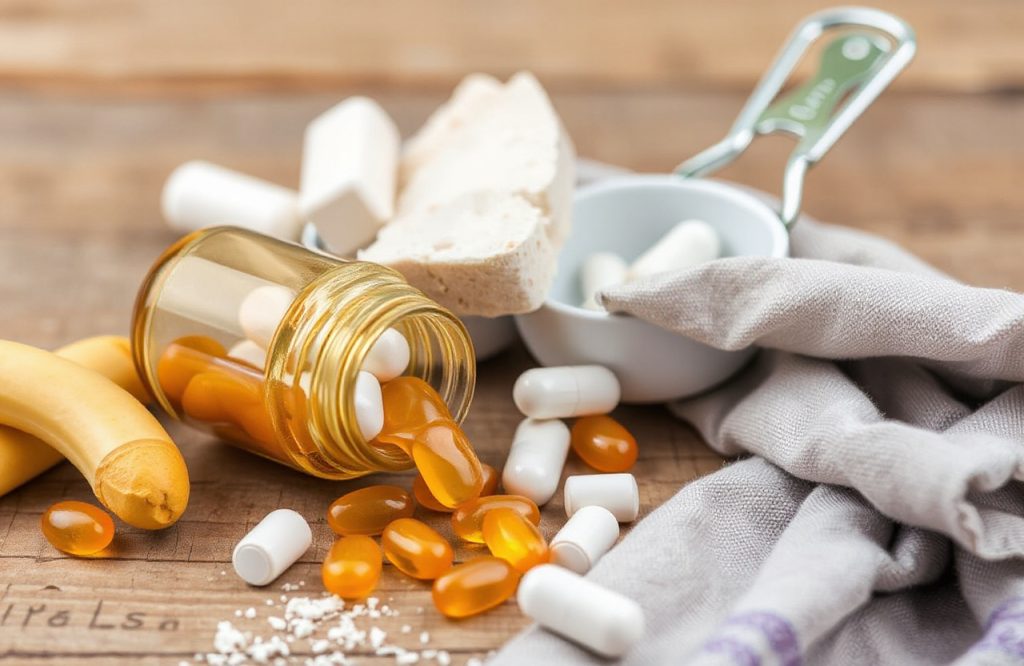
Research on Calcium Supplements and Carotenoid Bioavailability
Introduction to Carotenoids
Recent investigations have explored how calcium supplements impact the bioavailability of carotenoids derived from spinach-rich foods. Carotenoids are natural pigments present in orange fruits and vegetables, as well as in leafy greens like kale and spinach. They are linked to various health benefits, which depend significantly on both the absorption from food and the bioavailability—specifically, the concentration of carotenoids in the bloodstream post-consumption.
Previous Findings on Calcium and Carotenoids
Earlier studies indicate that calcium ions may impede carotenoid bioavailability by disrupting bile emulsification, a crucial process for nutrient absorption. Research has consistently highlighted the protective effects of carotenoid-rich foods against certain cancers, cardiovascular diseases, metabolic issues, and overall mortality. These benefits are primarily attributed to the uptake of vitamin A, which is synthesized from beta-carotene, a type of carotenoid.
Factors Affecting Carotenoid Bioavailability
Bioavailability of carotenoids is influenced by food composition. Diets that are high in lipids and low in dietary fibers can enhance this bioavailability. Since beta-carotene is not soluble in water or blood, bile emulsification is essential for its absorption. It has been suggested that bivalent minerals like calcium may interfere with this emulsification by binding to and neutralizing bile salts.
Study Overview
Methodology
A recent study published in the British Journal of Nutrition aimed to test the hypothesis regarding calcium’s effect on carotenoid bioavailability in human participants. The study involved 25 healthy, non-vegetarian males, aged 18 to 50, with a BMI under 30. Participants were fully briefed on the study’s design and purpose, and they provided informed consent.
The study was structured as a randomized, cross-over, double-blinded trial, allowing participants to serve as their own controls. In this crossover design, participants received meals enriched with carotenoids either with or without calcium supplements, followed by a washout period of one week before receiving the opposite treatment.
Data Collection
Blood samples were collected at baseline and during each of the three clinical visits, which were spaced one week apart. Participants were instructed to maintain a low-carotenoid diet for two weeks prior to the first visit and during washout periods. Each clinical visit involved a spinach-based meal supplemented with 0mg, 500mg, or 1000mg of calcium.
Results and Discussion
Findings
The area Under the Curve (AUC), a common measurement in clinical trials for summarizing compound concentration over time, indicated no significant difference in carotenoid concentration in blood after consuming the three identical meals with varying calcium supplements. The authors propose that the in vitro effects observed in previous studies may not translate to in vivo conditions, likely due to the body’s capacity to compensate for bile salts affected by supplemental calcium.
Interestingly, another study reported an 80% decrease in lycopene bioavailability from tomato paste when participants consumed 500mg of calcium.
Conclusion
In conclusion, this study suggests that calcium supplements do not affect the bioavailability of carotenoids from spinach-rich foods. However, the conflicting evidence regarding carotenoid bioavailability from different food sources necessitates further research to clarify these findings.
References
No influence of supplemental dietary calcium intake on the bioavailability of spinach carotenoids in humans, Joana Corte-Real, British Journal of Nutrition, 2017.