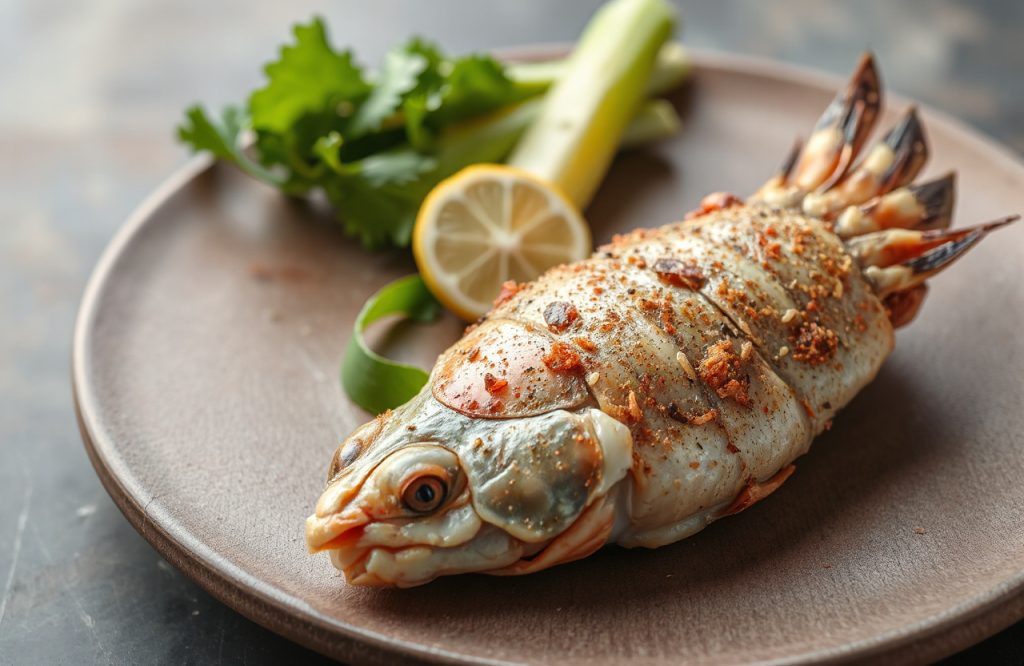
Investigating Seafood as a Fertility Food
Seafood Consumption and Pregnancy
Infertility is defined as the inability to conceive after 12 months of unprotected sexual intercourse aimed at achieving pregnancy. Approximately 15% to 25% of couples experience infertility, which can strain relationships. While treatments are available for infertility, understanding lifestyle factors that may enhance the likelihood of conception is crucial.
The potential of seafood as a fertility food remains a subject of debate. While seafood can harbor reproductive toxins due to the accumulation of environmental pollutants in marine life—such as mercury, dioxins, and organochlorines—higher consumption of marine omega-3 fatty acids has been associated with reproductive benefits.
Current guidelines recommend that the average American adult consume 2 to 3 servings of seafood per week. However, for pregnant women or those trying to conceive, the recommendation is limited to fewer than three servings weekly to minimize exposure to methyl-mercury, which has been linked to adverse neurocognitive effects. Despite these guidelines, research examining the reproductive benefits of seafood consumption has been limited.
Research Study on Seafood and Fertility
In the United States, researchers explored the connection between seafood and fertility using data from the Longitudinal Investigation of Fertility and the Environment (LIFE) study. This investigation included 501 couples who were trying to conceive and gathered data between 2005 and 2009 in Texas and Michigan.
Participants were required to maintain individual food recall diaries and sexual activity logs, with follow-ups lasting up to one year or until pregnancy was confirmed through in-home pregnancy tests. The findings were published in the Journal of Clinical Endocrinology & Metabolism.
Impact of Seafood Consumption on Pregnancy Chances
The study revealed that couples consuming eight or more servings of seafood per menstrual cycle had a 61% higher chance of conception and engaged in 22% more sexual intercourse. Male partners who consumed eight or more servings per cycle exhibited 47% healthier sperm compared to those with one or fewer servings. Similarly, female partners with increased seafood intake showed a 60% higher chance of successful reproduction.
Eight or more servings of seafood per cycle translate to about two or more servings weekly. It is essential to note that the study relied on self-reported data, which may introduce errors, particularly regarding baseline seafood intake. Discrepancies in food diaries due to recall biases or other factors are common.
Seafood as a Source of Nutrients
While seafood can contain toxins, it is also a rich source of beneficial nutrients, particularly omega-3 fatty acids. The study’s results suggest that seafood may be linked to improved reproductive health, underscoring the importance of reviewing and updating dietary guidance for preconception. Future research should aim to specify which types of seafood are most beneficial for reproduction.
Infertility can significantly affect couples, and while medical treatments exist, their success rates and accessibility can be limited. Lifestyle modifications, such as incorporating fertility-supportive foods, represent one strategy to enhance the chances of conception.
References
Gaskins AJ, Sundaram R, Buck Louis GM, Chavarro JE. Seafood intake, sexual activity, and time to pregnancy. J Clin Endocrinol Metab. 2018;103(7):2680-2688. doi:10.1210/jc.2018-00385.
Advice about eating fish. U.S. Food and Drug Administration. October 2021. Accessed May 22, 2023. https://www.fda.gov/food/consumers/advice-about-eating-fish.