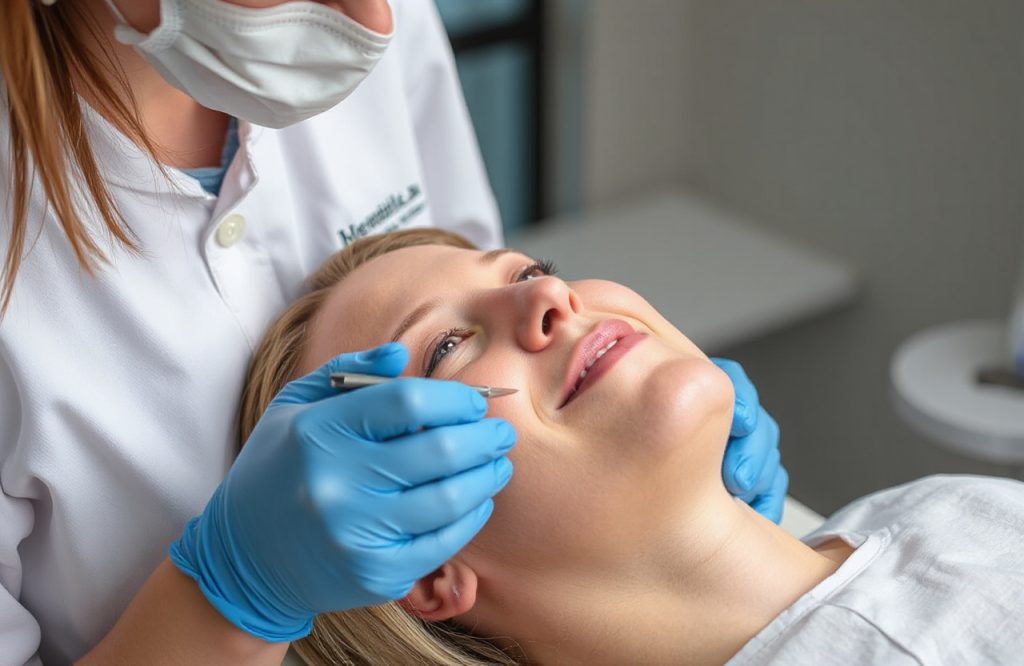
Concerns Raised by FDA Advisory on Injectable Cosmetic Fillers
Overview of the Advisory
A recent advisory from the FDA highlights potential adverse effects associated with widely-used injectable cosmetic fillers, raising questions about the established safety profile of these products. A review of clinical trials suggests that safety warnings are particularly important for off-label usage.
Popularity and Uses of Soft Tissue Fillers
Injectable soft tissue fillers (STFs) are among the most sought-after cosmetic procedures globally. Plastic surgeons, dermatologists, and other medical professionals utilize these fillers to address age-related changes in their patients. Cosmetic fillers enhance facial aesthetics by adding volume to areas such as the cheeks, lips, and even the backs of hands. They are also employed to treat acne scars and to correct facial atrophy, which is often seen in individuals living with HIV.
FDA-Approved Soft Tissue Fillers
Several STFs have received approval from the FDA, including hyaluronic acid (Restylane™), calcium hydroxyapatite (Radiesse™), and lactic acid (Sculptra™). Despite their longstanding approval, a recent FDA advisory has raised concerns regarding complications arising from their use.
Reported Complications and Risks
Complications from STF injections can include skin and soft tissue loss, with severe incidents reported, such as inadvertent injections into the bloodstream that may result in blindness or stroke. This advisory has prompted researchers at Northwestern University in Illinois to reassess the clinical trials that supported the safety and efficacy of these cosmetic fillers.
Research Findings on Clinical Trials
The Department of Dermatology at Northwestern University conducted a systematic review of STF trials to evaluate the quality of evidence that led to their approval. The findings were published in the July edition of the JAMA Journal of Facial Plastic Surgery. As with all pharmaceuticals, these cosmetic fillers underwent extensive multi-phase trials to establish their safety and efficacy.
Evaluation of Safety Profiles
The review examined 14 studies, confirming the rigorous nature of the clinical trials. Most trials focused on injections in specific facial regions, such as the jowls and nasolabial folds, using strictly controlled amounts. Under these conditions, both the safety and efficacy of STFs were well-documented, with minimal complications reported.
Understanding the Safety Concerns
Given the established safety of cosmetic fillers, the FDA advisory raises questions about why these concerns have emerged. Researchers speculate that complications may arise when providers administer STFs off-label, such as injecting them in unapproved areas or using larger quantities than prescribed.
Recommendations for Future Research
The researchers concluded that while cosmetic fillers are generally safe, further studies on off-label usage are necessary. Physicians should be encouraged to share actual clinical outcomes to better understand how these fillers are utilized and how potential complications can be minimized. As the popularity of cosmetic fillers continues to rise, it is crucial for providers to ensure their ongoing safety and effectiveness beyond clinical trials.
Conclusion
The assurance of safety in cosmetic fillers is paramount for both the FDA and patients. Ongoing monitoring and research are essential to maintain confidence in these widely-used products.
References
Lohman, M et al. “Device Safety Implications of the Clinical Data Leading to US Food and Drug Administration Approval of Soft-Tissue Fillers: A Systematic Review”. JAMA Facial Plastic Surgery, July 2017. Doi: 10.1001/jamafacial.2017.0082
FDA information on dermal fillers: https://www.fda.gov/medicaldevices/productsandmedicalprocedures/cosmeticdevices/wrinklefillers/