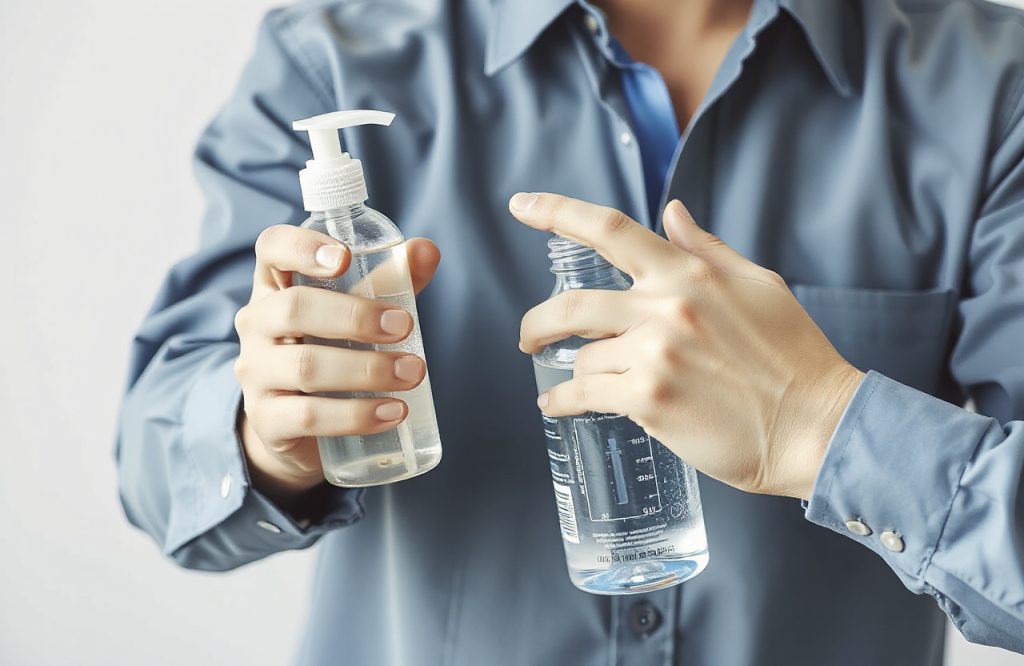
Understanding Hand Sanitizer in the Fight Against COVID-19
The Role of Hand Sanitizer
Hand sanitizer has emerged as a critical tool in reducing the transmission of COVID-19. The Centers for Disease Control and Prevention (CDC) recommends using hand sanitizers that contain at least 60% alcohol to minimize the spread of germs and prevent illness.
Hand Washing vs. Hand Sanitizer
When it comes to cleaning hands, hand sanitizer is a suitable alternative only when soap and water are unavailable, and hands are not visibly dirty. Research indicates that hand sanitizers are less effective on visibly dirty hands. The CDC and the U.S. Food and Drug Administration (FDA) advocate for washing hands with soap and water for at least 20 seconds, particularly after using the restroom, before meals, and after coughing or sneezing, as this method is the most effective for removing germs and chemicals.
Composition of Hand Sanitizers
Active Ingredients
The primary component of most hand sanitizers is alcohol. The FDA mandates that effective hand sanitizers must contain one of three active ingredients: ethyl alcohol (ethanol), isopropyl alcohol (isopropanol), or benzalkonium chloride. Ethyl alcohol is the same as the alcohol found in beverages, while isopropyl alcohol is commonly referred to as rubbing alcohol. For optimal efficacy, the CDC recommends using hand sanitizers that contain at least 60% alcohol, with studies indicating that concentrations between 60-85% ethanol and 60-80% isopropanol provide the best antimicrobial effectiveness.
How Hand Sanitizer Works
Mechanism of Action
Alcohol-based hand sanitizers are effective at eliminating various pathogens. The antimicrobial properties of ethanol have been used for hand disinfection since 1888. Alcohol kills germs through a process called denaturation, where alcohol molecules interact with the protective fat membrane of viruses and bacteria. This interaction disrupts the membrane, exposing the internal components of the cell, leading to its destruction.
Limitations of Hand Sanitizers
It is important to note that hand sanitizers do not eliminate all types of germs. The CDC states that certain pathogens, such as Cryptosporidium, Norovirus, and Clostridium difficile, are not effectively killed by hand sanitizers, making soap and water the better option for hand cleaning. Additionally, hand sanitizers do not remove harmful chemicals like pesticides or heavy metals.
Safety Concerns Regarding Hand Sanitizers
Risks for Children
Hand sanitizer can pose a danger to small children if ingested. Between 2011 and 2015, U.S. poison control centers received nearly 85,000 calls related to children consuming hand sanitizer. Even small amounts can lead to alcohol poisoning, prompting the FDA to recommend that children aged six and younger be supervised when using hand sanitizer.
Potential Skin Reactions
While there is no evidence suggesting that hand sanitizers are harmful, frequent use may lead to skin irritation. Some individuals might experience symptoms such as swelling, redness, or burning sensations. If adverse reactions occur, it is advisable to consult a healthcare professional. Concerns about hand sanitizers contributing to antibiotic resistance are unfounded, as both alcohol-based sanitizers and soap do not cause such resistance.
Best Practices for Using Hand Sanitizer
Effective Usage Technique
To maximize the effectiveness of hand sanitizers, follow these steps:
1. Ensure hands are clean and free of dirt or grease.
2. Apply the recommended amount of hand sanitizer to the palm of one hand.
3. Rub hands together, covering all surfaces until hands are dry. This process should take about 20 seconds.
Conclusion
While washing hands with soap and water remains the most effective method for removing germs and chemicals, hand sanitizers serve as a valuable alternative when soap and water are not available. Always choose a hand sanitizer with at least 60% alcohol for effective germ reduction, and remember that hand sanitizers are less effective on dirty or greasy hands.