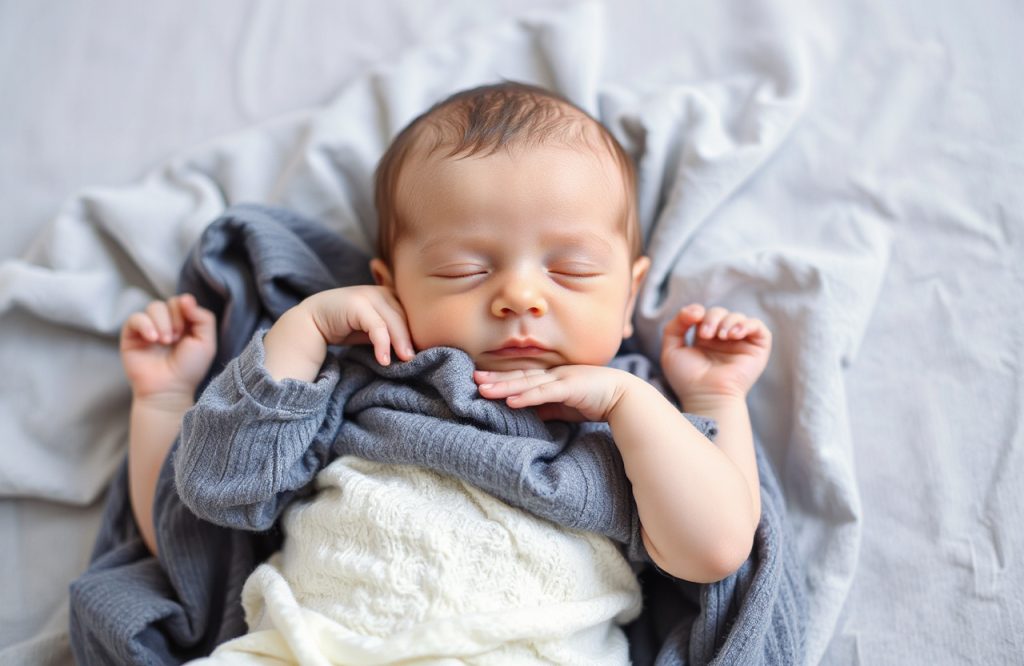
Understanding Newborn Babies’ Head Odors and Their Role in Mother-Child Bonding
The Importance of Maternal Bonding
The bond between a mother and her newborn is exceptionally close, influenced by various sensory experiences. Research indicates that this connection is activated through all five senses. For instance, newborns show a preference for their mother’s voice. When breastfeeding occurs, mothers release oxytocin, a hormone that fosters nurturing behavior toward their infants. Additionally, the sight of a smiling baby triggers dopamine release in the mother’s brain, enhancing feelings of reward and affection.
The Role of Smell in Maternal Nurturing
Studies have demonstrated that the aroma of a newborn can stimulate maternal instincts. A baby’s sense of smell begins developing in the womb, leading to familiarity with the scents of amniotic fluid and the mother. Notably, mothers can identify their own children among others by scent alone, even when blindfolded. This suggests that amniotic fluid carries unique odors that can be recognized by the baby and parents.
Research on Newborn Head Odors
Despite these insights, the specific chemical components of odor cues critical for mother-child bonding remain largely unexplored. Recently, researchers in Japan investigated the chemical profile of newborn head odors to understand their significance in bonding. Their findings were published in the journal Scientific Reports.
Methodology of the Study
To explore why newborns have a pleasant scent, researchers analyzed the head odors of five newborns. The samples were collected using a cap-like bandage made from monosilica beads, which were applied to each baby’s head for 20 minutes in a stress-free environment with their mothers. The first two babies were sampled within an hour of birth, while the others were sampled two to three days post-delivery.
The collected odor samples underwent analysis through gas chromatography (GC) and gas chromatography/mass spectrometry (GC-MS). Additionally, odor samples from two mothers’ amniotic fluid were collected using the same technique. This analysis identified thirty-one volatile components in the babies’ head odors and twenty-one in the amniotic fluid.
Findings on Volatile Components
The researchers identified various volatile compounds, including aldehydes, carbonic acids, and hydrocarbons. The head odors from the newborns were more distinctly identified than those from the amniotic fluid. Interestingly, the odors collected two to three days after birth were less potent than those gathered shortly after birth. This observation may facilitate the identification of kin and encourage nurturing behaviors between parents and their children.
Recognition of Newborn Odors
In another part of the study, researchers aimed to assess the recognizability of newborn head odors. A group of sixty-two students, evenly split between genders and aged 18 to 24 from Kobe University, were tasked with identifying one of three odor samples: synthetic amniotic fluid, newborn head odor from within an hour of birth, or head odor from two to three days after birth. The recognition rate for the newborn head odor exceeded 70%, with female participants demonstrating over twice the recognition ability of their male counterparts.
Conclusion: The Significance of Newborn Odors
The appealing scent of newborns may serve an evolutionary purpose in fostering species preservation. This study illuminates the chemical compounds responsible for these odors, underscoring their importance in understanding the role of scent in establishing the parent-infant bond.
References
1. Uebi T, Hariyama T, Suzuki K et al. Sampling, identification and sensory evaluation of odors of a newborn baby’s head and amniotic fluid. Sci Rep. 2019;9(1). doi:10.1038/s41598-019-49137-6
2. DeCasper A, Fifer W. Of human bonding: newborns prefer their mothers’ voices. Science. 1980;208(4448):1174-1176. doi:10.1126/science.7375928
3. Yoshiaki Kikuchi M. Baby’s Little Smiles: Building a Relationship with Mom. Scientific American. https://www.scientificamerican.com/article/smiles-and-mother-baby-bond/. Published 2019. Accessed September 27, 2019.
Image by Iuliia Bondarenko from Pixabay.