Impact of Missing Teeth on Daily Life
Challenges Faced by Older Adults
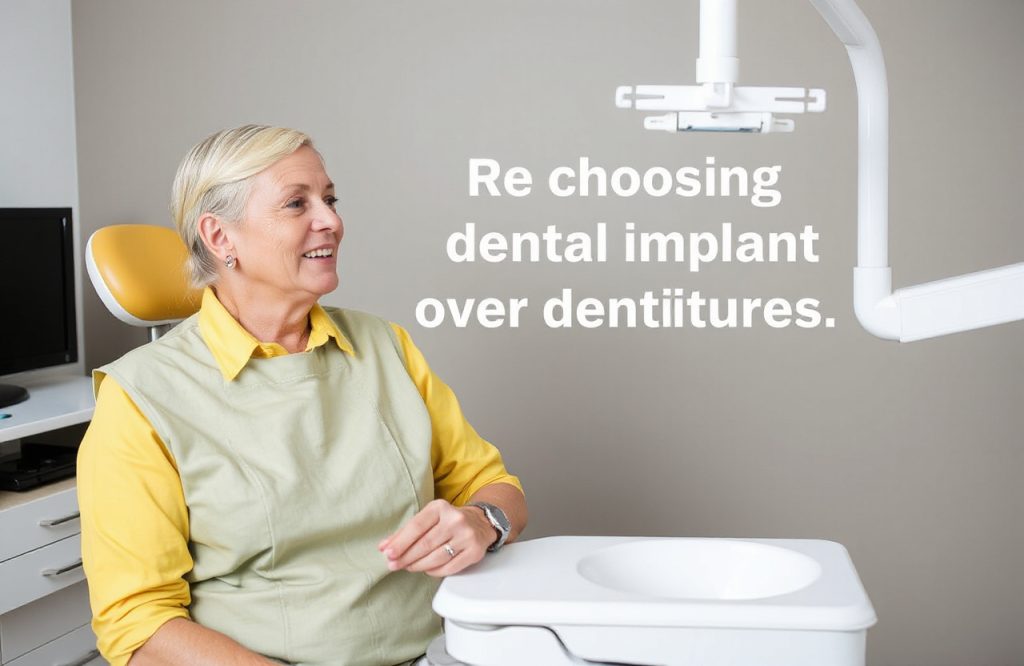
Missing teeth can complicate everyday activities such as chewing and smiling. For many older adults, dentures may not provide the comfort and reliability they seek, as they can slip or cause discomfort. Recent data indicates a growing trend among seniors opting for dental implants instead, with their usage rising significantly in the past two decades. Dental implants offer a solution that enhances comfort, boosts confidence, and provides long-lasting results. If you find yourself struggling with dentures, it might be time to explore the benefits of implants.
Advantages of Dental Implants Over Dentures
Improved Eating Experience
For individuals like James, a 71-year-old, dentures can change dietary habits. Once fond of steak dinners with family, James found himself avoiding these meals due to difficulties with chewing and embarrassment while speaking. Many seniors share this experience, prompting a shift toward dental implants. Implants allow for a natural chewing experience, enabling users to enjoy foods such as apples, corn, and steak without fear of discomfort or dietary restrictions.
Enhanced Communication
Loose dentures can hinder clear communication, leading some individuals to mumble or avoid speaking altogether. In contrast, dental implants provide a secure fit, allowing users to talk confidently without fear of slippage. This means engaging in conversations, laughing freely, and speaking clearly without the hindrance of a plastic device.
Facial Aesthetics and Health
Missing teeth can lead to jawbone deterioration, affecting facial structure over time. Dental implants help preserve jawbone integrity, maintaining facial fullness and a youthful appearance. Many may not realize you’ve had dental work; they simply see a more vibrant you. For those concerned about cost, low-cost dental clinics can provide accessible options for implants.
Convenience and Maintenance
Dentures require removal for cleaning and can be prone to slipping, creating additional hassle. Implants, on the other hand, are permanent and can be maintained just like natural teeth, eliminating the need for messy adhesives and minimizing the risk of unexpected slips.
Long-Term Financial Considerations
While dentures typically need replacement every five to seven years, dental implants are designed for longevity. With appropriate care, they can last 15 years or more. This translates to fewer dental visits and unexpected expenses, allowing for more time spent enjoying life rather than managing dental issues.
Safety and Suitability of Implants for Seniors
Health Considerations
Contrary to common belief, age alone does not disqualify older adults from receiving dental implants. Instead, overall health is a more significant factor. Dentists assess bone strength, healing capacity, and any existing health conditions, such as diabetes or heart issues, to determine candidacy for the procedure.
Addressing Bone Loss Concerns
Many older adults worry about insufficient bone density for implants. However, advancements such as bone grafting can rebuild weakened areas, and modern implants can be successfully placed in challenging conditions. 3D imaging aids dentists in planning safe procedures, broadening options for those who may have lost teeth long ago.
Healing Process
While healing may take slightly longer for older individuals, most return to normal activity within a few days. With a tailored care plan from the dental team, recovery can proceed smoothly.
Determining Eligibility for Dental Implants
Signs You Might Be a Good Candidate
If you are considering dental implants, you may be a suitable candidate if you:
– Have one or more missing teeth
– Seek a more secure alternative to dentures
– Maintain healthy gums
– Are a non-smoker or willing to quit
– Have a good healing capacity post-surgery
If you meet these criteria, dental implants may be a viable option for you.
Evaluation Process by Your Dentist
During your consultation, the dentist will evaluate your jawbone strength, check for gum disease, and assess your overall health, including any medications you may be taking. Imaging techniques such as X-rays or 3D scans may be utilized for a comprehensive assessment. Many issues can be addressed, such as strengthening the jawbone through grafting if necessary.
Don’t Dismiss Your Options
Even if it’s been years since you lost teeth, many seniors discover they are still excellent candidates for implants. A trustworthy dental team will guide you through available options, ensuring you make informed decisions without feeling rushed. If implants aren’t the right fit, alternatives like bridges or dentures can still support your ability to eat, talk, and smile confidently.
Next Steps: Consult a Trusted Dentist
If you are considering dental implants, the next step is to consult with a dentist you trust. A reputable provider will take the time to discuss your options, address your concerns, and provide honest advice tailored to your health, age, and financial situation. There’s no immediate commitment required; simply scheduling a consultation can lead to improved chewing, easier smiling, and a greater sense of self-confidence.