Driving Drowsiness: The Impact of Low-Frequency Vibration
Understanding Drowsy Driving
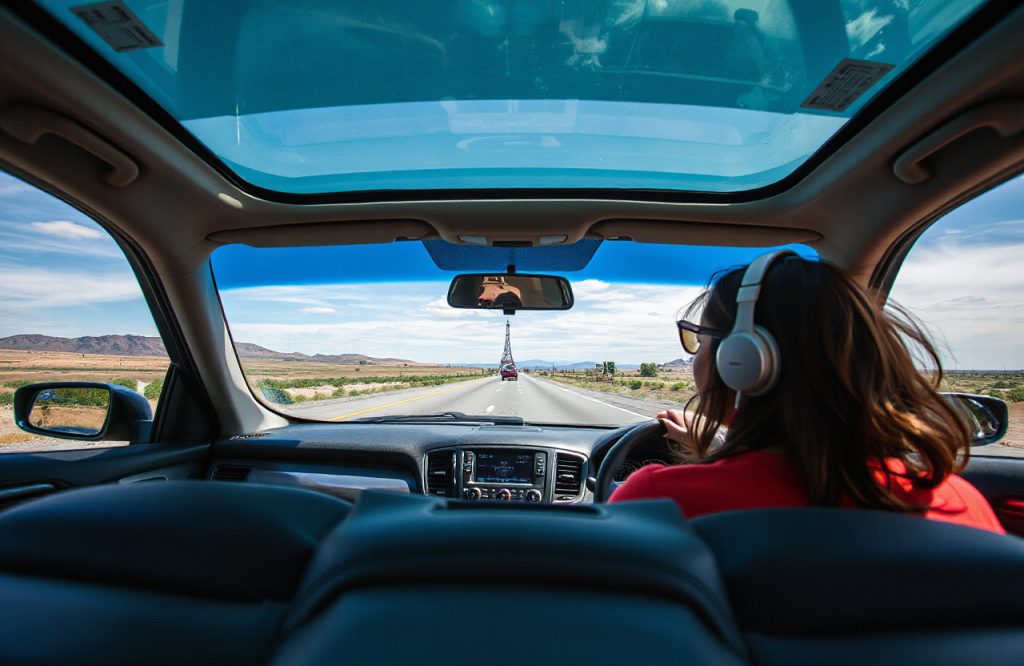
Have you ever found yourself dozing off during a long drive? The cause may extend beyond mere fatigue. Recent research has explored the soporific effects of a car’s purring engine on drivers. Specifically, a study examined how low-frequency vibrations transmitted through car seats might influence drowsiness while driving.
Drowsy driving significantly contributes to road accidents and fatalities. A survey conducted in Australia revealed that nearly one-third of drivers admitted to operating a vehicle while drowsy, with around 20% reporting instances of “nodding off” behind the wheel.
Research on Vibration and Sleepiness
While some studies have indicated that low-frequency vibrations from vehicles can lead to sleepiness, there has been limited research focusing on their impact on drivers. To address this gap, Australian researchers designed a car simulator experiment aimed at investigating the effects of vibrations on driver sleepiness. Their findings were published in the journal Ergonomics.
Study Methodology
The study involved 15 healthy university students who were well-rested and had abstained from sedating or stimulating substances for 24 hours prior to participation. Each participant underwent two nighttime driving simulation tests, each lasting 60 minutes.
During one test, participants experienced low-frequency vibrations via the car seat, while the other test was conducted without any vibrations. Heart rate monitors were attached to track heart rate variability, which serves as an indicator of drowsiness. Additionally, participants completed the Karolinska Sleepiness Score (KSS) questionnaire both before and after each test to further assess their levels of drowsiness.
Participants were instructed to maintain a steady position within their lane at a constant speed of 160 km/h, a task designed to help identify signs of drowsiness.
Findings and Conclusions
The results revealed signs of drowsiness on the heart monitors within 15 to 30 minutes of exposure to the vibrations, peaking at the 60-minute mark. While KSS scores increased in both vibration and non-vibration tests, the rise was notably more pronounced following the vibration test.
The researchers concluded that low-frequency vibrations contributed to observable changes indicating progressive drowsiness within 15 minutes, with significant effects emerging by the 30-minute mark. Although further research is necessary, these findings may inform future vehicle design aimed at enhancing road safety.
Reference
Zhang N, Fard M, Bhuiyan MHU, et al. The effects of physical vibration on heart rate variability as a measure of drowsiness. Ergonomics DOI:10.1080/00140139.2018.1482373.