Effectiveness of Topical Pain Relief Creams: A Recent Clinical Trial
Introduction to Pain Relief Creams
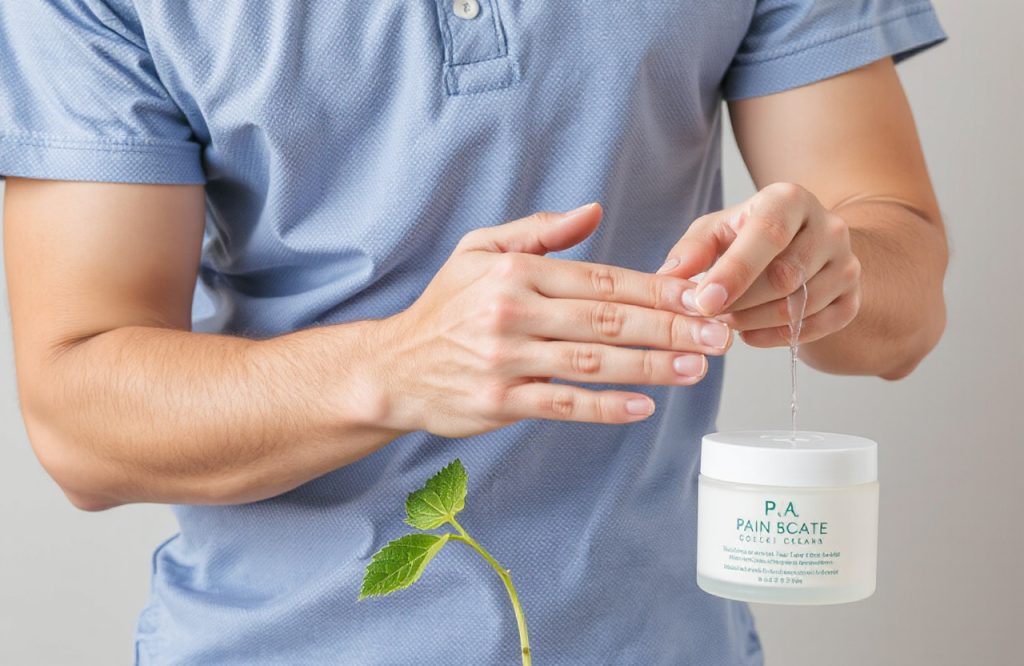
The use of expensive topical pain relief creams has been on the rise over the years. A recent clinical trial aimed to assess the effectiveness of these creams in relieving pain compared to a placebo. Many individuals turn to pain relief creams for various conditions, including arthritis flare-ups, gout, muscle pain, bursitis, and tendonitis. Despite their popularity, research presents mixed results regarding their actual effectiveness.
Previous Research Findings
A scientific review conducted in 2016 indicated that certain prescription topical NSAIDs, particularly those containing diclofenac or ketoprofen, offer pain relief comparable to that of oral medications for specific pain types. However, additional studies have failed to demonstrate significant pain relief benefits from these creams. Certain creams, like those containing capsaicin, may alleviate pain but typically require prolonged use to be effective. As medications, it is essential to evaluate the risks associated with these creams, including potential drug interactions and side effects such as skin irritation, unpleasant odors, and burning sensations.
Recent Study on Compounded Analgesic Creams
Study Overview
A recent study published in the Annals of Internal Medicine investigated whether compounded pain creams provide better relief for localized pain than placebo creams. Researchers from Walter Reed National Military Medical Center enrolled 399 patients experiencing localized pain, categorized into three groups: 133 patients with nerve damage, 133 with non-nerve tissue injury, and 133 with both types of pain. Participants received either a pain relief cream tailored to their specific condition or a placebo.
Composition of Pain Relief Creams
The creams formulated for neuropathic pain included ketamine, gabapentin, clonidine, and lidocaine. For nociceptive pain, the formulations consisted of ketoprofen, baclofen, cyclobenzaprine, and lidocaine. The creams designed for both types of pain contained a combination of ketamine, gabapentin, diclofenac, baclofen, cyclobenzaprine, and lidocaine.
Measuring Pain Relief
The primary assessment focused on self-reported pain scores one month after treatment with either the pain relief cream or the placebo. A positive response was defined as a reduction in pain score of two or more points, along with a satisfaction score above three on a five-point scale, among other health survey responses. Patients who reported a positive outcome were monitored for three months.
Limitations of the Study
Despite the study’s efforts, there were limitations, including a relatively small participant pool given the high prevalence of chronic pain affecting 31% of the population. Additionally, the classification of pain was limited, excluding other pain types beyond neuropathic and nociceptive.
Results of the Study
No Significant Differences in Pain Scores
The study found no significant differences in average pain scores between patients using pain relief creams and those using placebo creams. After one month, 72 (36%) of the cream users and 54 (28%) of the placebo users reported positive outcomes, indicating pain relief. Consequently, compounded pain relief creams did not demonstrate a significant improvement in pain scores, functional improvement, or overall satisfaction compared to placebo creams, despite their higher cost and increasing usage. Furthermore, a minimal number of patients showed positive outcomes after three months compared to those who reported relief after one month.
Conclusion
In summary, although topical pain relief creams are frequently utilized for managing localized pain, recent findings suggest that they may not be significantly more effective than placebo creams. Further research is necessary to explore the efficacy of these treatments and their long-term impacts on pain management.
References
Brutcher, R.E. et al. Compounded Topical Pain Creams to Treat Localized Chronic Pain: A Randomized Controlled Trial. Annals of Internal Medicine. Epub 5 February 2019.
Derry S, Conaghan P, Da Silva JP, Wiffen PJ, Moore R. Topical nonsteroidal anti-inflammatory drugs for chronic musculoskeletal pain in adults. Published 22 April 2016.
Pain Pathways. Do Pain Creams Really Work? Pain Pathways Magazine. Published 12 July 2018.