Understanding Postpartum Body Changes
The Impact of Childbirth on Your Body
After giving birth, many women experience significant changes in their bodies. It is common to feel that your stomach is softer, your core is weaker, and activities like feeding and carrying your baby can lead to back pain. It’s normal to initially struggle with recognizing your own body.
The Appeal of a Postpartum Belt
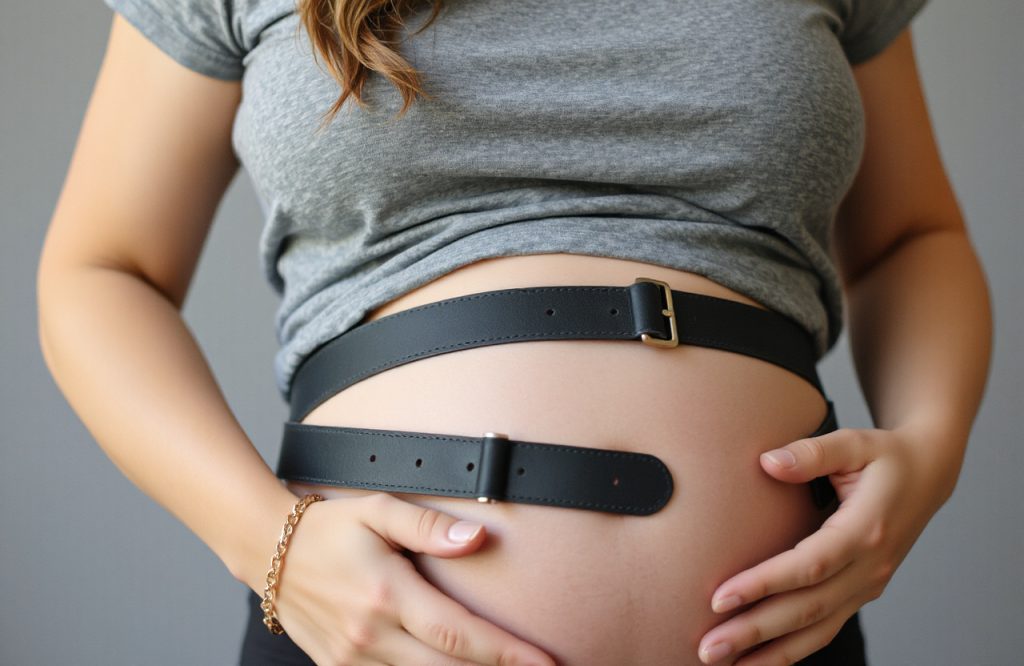
In light of these changes, many mothers consider using a postpartum belt. This device, also known as a binder or belly band, provides support for your hips as your body recovers from childbirth.
What Does a Postpartum Belt Do?
Support and Stabilization
A postpartum belt is designed to hold your hips in place after delivery. It offers several benefits, including:
– Supporting the lower back
– Enhancing stability while walking
– Improving posture during feeding
– Providing light compression after a C-section (with doctor approval)
Many mothers report that wearing a postpartum belt makes them feel more secure throughout the day, offering a sense of gentle support.
Nighttime Usage: To Sleep or Not?
The answer to whether you should sleep in a postpartum belt is a resounding no. During sleep, your body naturally undergoes repair; muscles relax, blood flows freely, and healing occurs. Wearing a tight belt at night can hinder this process by:
– Reducing circulation
– Applying pressure on healing tissues
– Causing skin irritation
– Leading to discomfort during movement
If your healthcare provider does not recommend wearing the belt at night, it is best to remove it before bedtime.
Optimal Timing for Wearing a Postpartum Belt
When to Use a Postpartum Belt
Postpartum belts are most beneficial during active periods. Consider wearing one:
– When moving around
– While standing for extended periods
– When experiencing lower back fatigue
– During light daily tasks
It’s important to wear the belt comfortably without restricting your breathing. Remember, this support is temporary; your muscles need time to regain their strength independently.
Alternatives for Nighttime Comfort
Maternity Body Pillows: A Better Option
For improved sleep comfort, maternity body pillows are an excellent choice. Many women mistakenly believe these pillows are only for use during pregnancy. However, they provide significant support postpartum as well. Unlike a belt, maternity body pillows:
– Support the back
– Align the hips
– Alleviate pressure on the belly
– Enhance side-sleeping comfort
Using a pillow between your knees can greatly improve comfort while sleeping on your side, providing natural support without compression.
Listening to Your Body
Individual Healing Processes
Every woman’s recovery journey is unique. Some may feel strong soon after childbirth, while others may take months to feel like themselves again. There is no established timeline for recovery. Essential elements for postpartum healing include:
– Rest as much as possible
– Consuming nutritious foods
– Engaging in gradual walking
– Practicing patience
If any postpartum support feels too tight or uncomfortable, discontinue use. Remember, you just gave birth, which is a significant physical event.
Conclusion
In summary, sleeping with a postpartum belt is generally not advisable. While it can provide valuable support during the day, your body requires time to rest and recover at night. For better sleep support, consider using maternity body pillows, which offer alignment and comfort without pressure.
FAQs
Will using a belt at bedtime help me achieve a flat tummy faster?
There is no evidence to suggest that sleeping in a belt accelerates healing. Instead, time and gentle exercises are more effective for recovery.
How long after giving birth should I wear a belt?
Typically, wearing a postpartum belt for a few hours during busy periods is sufficient.
Can body pillows still be useful during pregnancy?
Absolutely. Maternity body pillows can improve hip alignment, alleviate back pain, and enhance overall sleep quality.
Disclaimer
The editorial staff of Medical News Bulletin did not participate in preparing this post. The views expressed here belong to the advertiser and do not reflect those of Medical News Bulletin. The publication does not accept liability for any losses or damages resulting from the use of products or services mentioned in this article.