Understanding Hearing Loss and Its Impact
Recognizing Signs of Hearing Loss
Experiencing challenges in understanding conversations or frequently requesting repetitions can be frustrating and may indicate hearing loss. This condition can significantly affect various aspects of life, including emotional well-being, professional performance, and personal relationships.
The Role of Hearing Aids
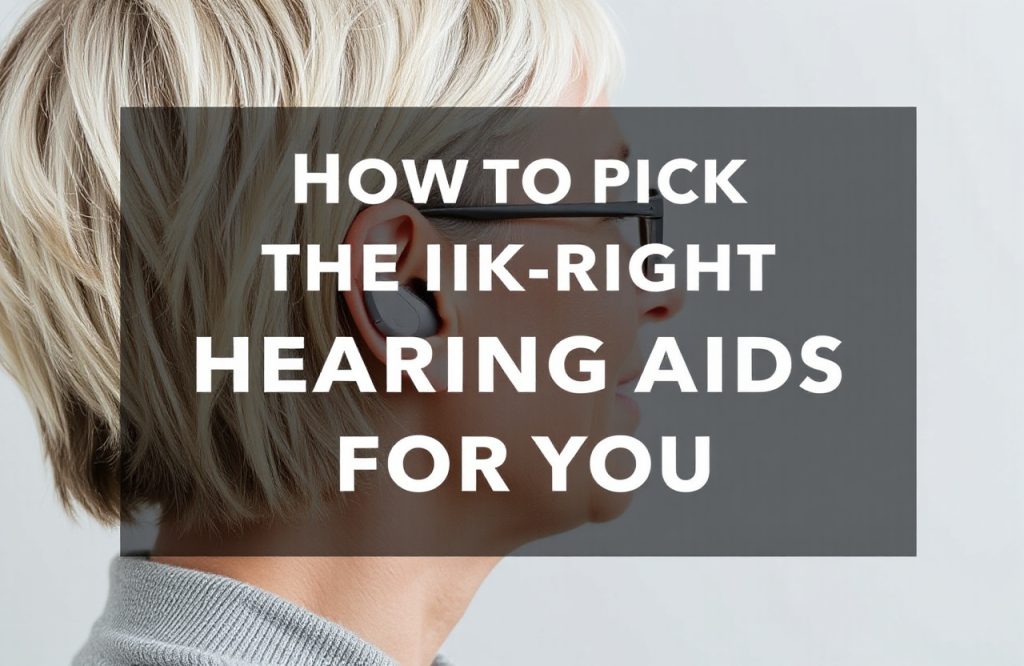
Wearing hearing aids can enhance hearing capabilities and, in turn, improve overall quality of life. After undergoing a hearing test and receiving a prescription from an audiologist, selecting the appropriate hearing aid is crucial to maximize its benefits. Hearing aids differ in size, features, price, and placement, making it essential to choose wisely.
Key Considerations When Choosing Hearing Aids
1. Size and Style
Hearing aids are available in various sizes and styles, and it is important to select the type that suits your age and the severity of your hearing loss. For adults with mild to moderate hearing loss, options like invisible-in-canal and completely-in-the-canal aids may be ideal. Behind-the-ear (BTE) hearing aids cater to individuals across all age groups and hearing loss levels. Open-fit hearing aids are particularly suitable for those with mild to moderate high-frequency and low-frequency hearing loss. Individuals with severe hearing loss may find in-the-canal or low-profile ITE hearing aids most beneficial. Collaborate with your audiologist to find a hearing aid that is comfortable and easy to handle.
2. Features
Hearing aids offer a variety of special features designed to enhance your lifestyle. Key features may include automatic volume controls, Bluetooth connectivity, noise reduction, directional microphones, and long-lasting batteries. Consider your lifestyle when choosing a hearing aid; for instance, if you enjoy watching films or listening to music, a device with wireless capabilities or waterproof features could be advantageous.
3. Cost
The price of hearing aids varies widely, typically ranging from approximately $1,500 to several thousand dollars, depending on the technology and included features. If you have a limited budget, identify the essential features that will improve your hearing. Your audiologist can assist you in selecting a device that meets your needs within your financial constraints. Many audiologists offer financing options and accept credit card payments, making the purchase more manageable. It is advisable to shop around to find suitable devices at a reasonable price.
Conclusion
Utilizing the tips outlined above can help you select the right hearing aids tailored to your specific hearing challenges and requirements. Your audiologist will play an essential role in determining the best hearing aids for you, customizing them to fit your unique needs, and providing guidance on maintenance and care. Exploring various options when purchasing hearing aids will help you find the most suitable devices for your hearing needs.