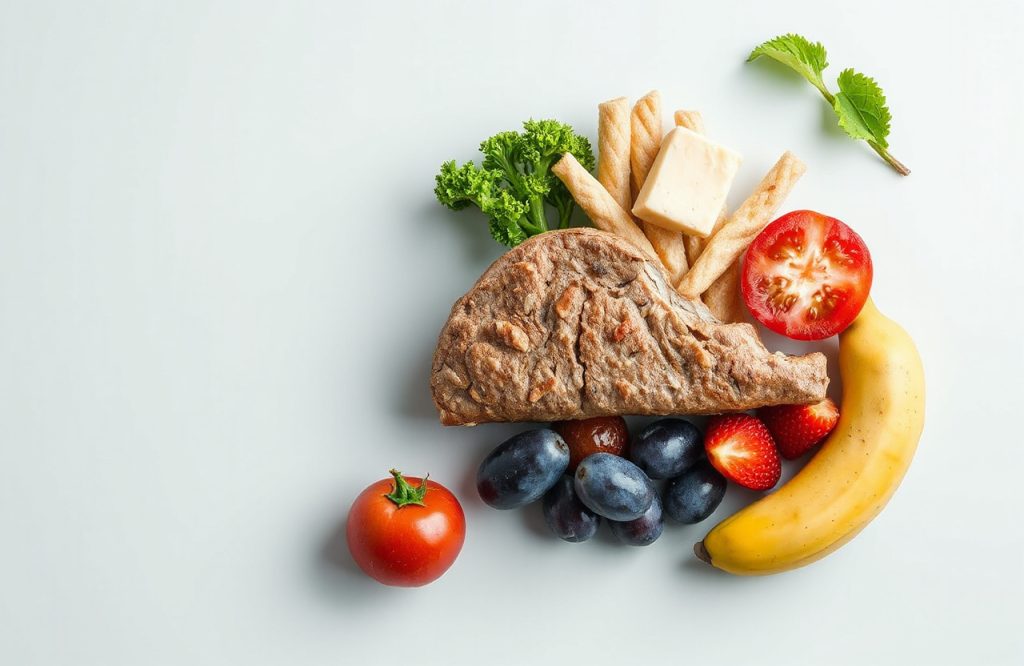
Diverse Microorganisms in the Human Body
Diverse communities of microorganisms inhabit various parts of the human body, both internally and externally. These microbial cells are estimated to be present in equal numbers to human cells, with a total count of approximately 38 trillion. In particular, the gut microbiome plays a crucial role in digestion and is influenced by dietary choices. Certain foods can negatively affect the diversity of gut microbiota, potentially leading to conditions such as irritable bowel disease, irritable bowel syndrome, and peptic ulcers. Therefore, understanding which foods support gut health is essential.
Foods That Negatively Impact the Microbiome
Processed Foods
In North America, the consumption of ultra-processed foods has increased significantly. These foods are characterized by extensive modification through additives such as fats, sugars, salts, and flavor enhancers. Ultra-processed foods are typically high in calories and low in nutritional value. Their consumption is associated with inflammation, which may elevate the risk of obesity, type 2 diabetes, and cardiovascular disease over time.
Artificial Sweeteners
Artificial sweeteners are designed to replicate the taste of sugar without the calories, often being hundreds to thousands of times sweeter. While generally considered safe, research indicates that certain artificial sweeteners may alter the composition of the gut microbiome. Long-term consumption can reduce bacterial diversity in the gut, negatively affecting digestion and the immune system’s ability to regulate inflammation.
Red Meat
Red meat is high in L-carnitine, which, when digested by gut microbes, is converted into trimethylamine-N-oxide (TMAO). This compound is linked to an increased risk of cardiovascular disease. Research shows that vegetarians and vegans tend to have lower levels of the gut microbes involved in L-carnitine metabolism, leading to better heart health compared to those who consume red meat. Reducing red meat intake may also promote a more diverse gut microbiome.
Foods That Support the Microbiome
Yogurt
Probiotic foods, particularly yogurt, are linked to various health benefits, including the promotion of a healthy gastrointestinal tract. Yogurt contains beneficial microorganisms such as Bifidobacterium and Lactobacillus. Consumption of yogurt can lead to changes in the gut microbiome, with noticeable shifts occurring as early as one week after daily intake.
Broccoli
As a cruciferous vegetable, broccoli is rich in fiber and phytonutrients that are beneficially processed by gut microbes. Studies suggest that consuming 200 grams of cooked broccoli daily can enhance the diversity of bacterial species in the gut. Additionally, broccoli intake is associated with an increased ratio of beneficial Bacteroidetes to harmful Firmicutes, a balance linked to a healthier diet and body composition.
Oats
Oats can also positively influence the composition of the gut microbiome. Research indicates that consuming 80 grams of oats daily can enhance the presence of bacteria that support healthy metabolism and lower the risk of obesity and coronary heart disease. Oat consumption has also been shown to improve fatty acid metabolism and reduce total cholesterol levels.
Conclusion: Food Choices and Gut Health
Given that food choices can significantly impact the microbiome, it is crucial to identify which foods promote gut health and which do not. Evidence suggests avoiding processed foods, artificial sweeteners, and red meat while increasing the intake of yogurt, broccoli, and oats. However, our understanding of the specific effects of various foods on the microbiome and overall health remains limited, indicating a need for further research.
References
1. Lisko DJ, Johnston GP, Johnston CG. Effects of dietary yogurt on the healthy human gastrointestinal (GI) microbiome. Microorganisms. 2017;5(1). doi:10.3390/microorganisms5010006
2. Tomova A, Bukovsky I, Rembert E, et al. The effects of vegetarian and vegan diets on gut microbiota. Front Nutr. 2019;6(April). doi:10.3389/fnut.2019.00047
3. Zinöcker MK, Lindseth IA. The western diet–microbiome-host interaction and its role in metabolic disease. Nutrients. 2018;10(3):1-15. doi:10.3390/nu10030365
4. Ruiz-Ojeda FJ, Plaza-Díaz J, Sáez-Lara MJ, Gil A. Effects of sweeteners on the gut microbiota: A review of experimental studies and clinical trials. Adv Nutr. 2019;10:S31-S48. doi:10.1093/advances/nmy037
5. Buffa JA, Romano KA, Copeland MF, et al. The microbial gbu gene cluster links cardiovascular disease risk associated with red meat consumption to microbiota L-carnitine catabolism. Nat Microbiol. 2022;7(1):73-86. doi:10.1038/s41564-021-01010-x
6. Le Roy CI, Kurilshikov A, Leeming ER, et al. Yoghurt consumption is associated with changes in the composition of the human gut microbiome and metabolome. BMC Microbiol. 2022;22(1):1-12. doi:10.1186/s12866-021-02364-2
7. Kaczmarek JL, Liu X, Charron CS, et al. Broccoli consumption affects the human gastrointestinal microbiota. J Nutr Biochem. 2019;63:27-34. doi:10.1016/j.jnutbio.2018.09.015
8. Xu D, Feng M, Chu YF, et al. The prebiotic effects of oats on blood lipids, gut microbiota, and short-chain fatty acids in mildly hypercholesterolemic subjects compared with rice: A randomized, controlled trial. Front Immunol. 2021;12(December):1-16. doi:10.3389/fimmu.2021.787797