Understanding the Importance of Air Quality
The Impact of Breathing on Daily Life
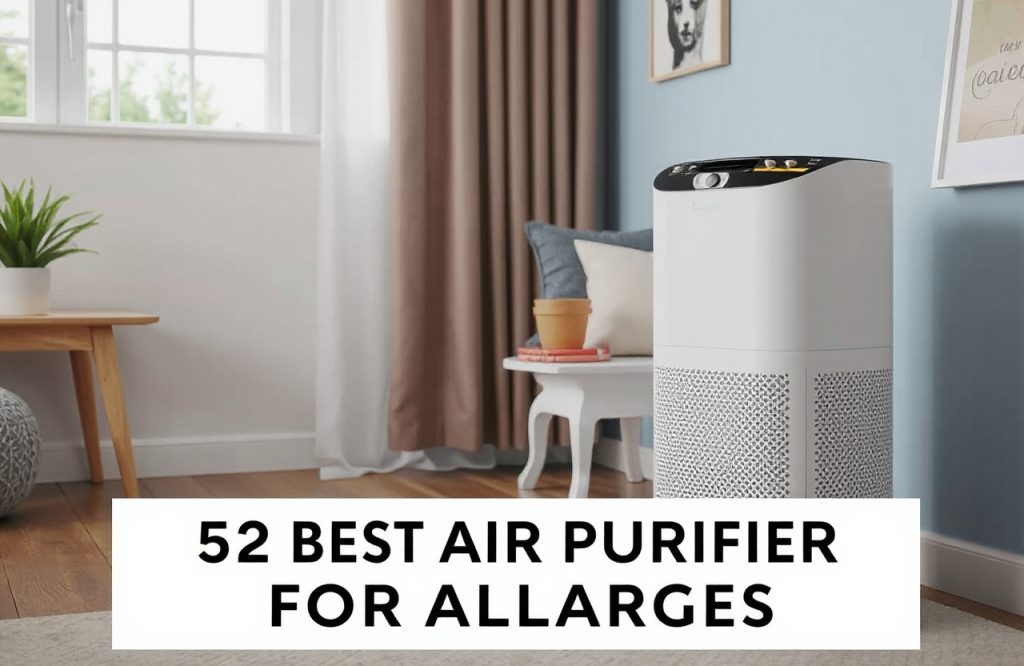
Each day, individuals breathe approximately 25,000 times. With each outdoor breath, we inhale various air pollutants stemming from traffic, construction, industrial activities, and urbanization. This raises the question: can an air purifier make a difference? Specifically, what is the best air purifier for those with allergies?
Indoor Air Quality Factors
Indoor air quality is influenced by numerous factors, including dust, dust mites, mold spores, household pets, and chemicals found in cleaning products, all of which can act as allergens.
Air Quality and Allergies
Effects of Environmental Triggers
For individuals suffering from allergies, exposure to environmental triggers can lead to respiratory symptoms such as coughing, wheezing, sneezing, and breathlessness. While not everyone is involved in urban planning aimed at reducing outdoor air pollution, homeowners can take proactive steps by utilizing portable air purifiers to enhance indoor air quality.
Types of Air Filters Available
Understanding Air Purifier Options
To identify the best air purifier for allergies, it is essential to understand the various types available for residential use. In addition to whole-house heating, ventilation, and air conditioning (HVAC) systems, portable air purifiers can effectively clean the air in specific rooms. These compact units filter particles as air passes through them, subsequently circulating clean air. Common types of filters include high-efficiency particulate air (HEPA) filters, activated carbon filters, and electrostatic filters.
HEPA Air Purifiers
HEPA air purifiers operate by mechanically capturing air pollutants. A study investigating the effects of HEPA air purifiers on allergic rhinitis measured concentrations of PM2.5 and PM10, which are particulate matter with diameters under 2.5 and 10 micrometers, respectively. The study revealed that placing a HEPA air purifier in bedrooms and living rooms for 24 hours a day over six weeks reduced PM2.5 and PM10 levels by at least 30%. Interestingly, a placebo effect was also noted, with participants reporting fewer allergy symptoms and an improved quality of life, even when not using an active filter.
Activated Carbon Air Purifiers
In addition to HEPA filters, some air purifiers utilize activated carbon filters. When activated, carbon’s natural adsorptive properties enhance its ability to trap gaseous pollutants through chemical reactions. These purifiers are particularly effective at removing volatile organic compounds, including benzene and formaldehyde. However, activated carbon filters do not eliminate particulate matter and require regular cleaning to maintain efficiency and prevent them from becoming sources of indoor pollution.
Electrostatic Air Purifiers
Electrostatic purifiers also serve to enhance air quality. They work by charging airborne particles as they pass through the filter, trapping these ions on an oppositely charged plate. While electrostatic purifiers effectively remove particulate matter, they do not target volatile organic compounds. A notable disadvantage is that they can produce ozone, a harmful pollutant.
Selecting the Best Air Purifier for Allergies
Improving Indoor Air Quality
Given that air purifiers can mitigate exposure to pollutants, improving air quality may alleviate allergy symptoms. For optimal results, these systems should be placed in open areas of the home or in rooms where individuals spend the most time.
Choosing the Right Technology
When selecting an air purifier for allergies, it is crucial to ensure it employs the appropriate technology to effectively capture particulate matter. HEPA or electrostatic filters are recommended for this purpose. In addition to utilizing an air purifier to reduce indoor allergens, individuals should consult healthcare providers for further steps to manage their allergies effectively.