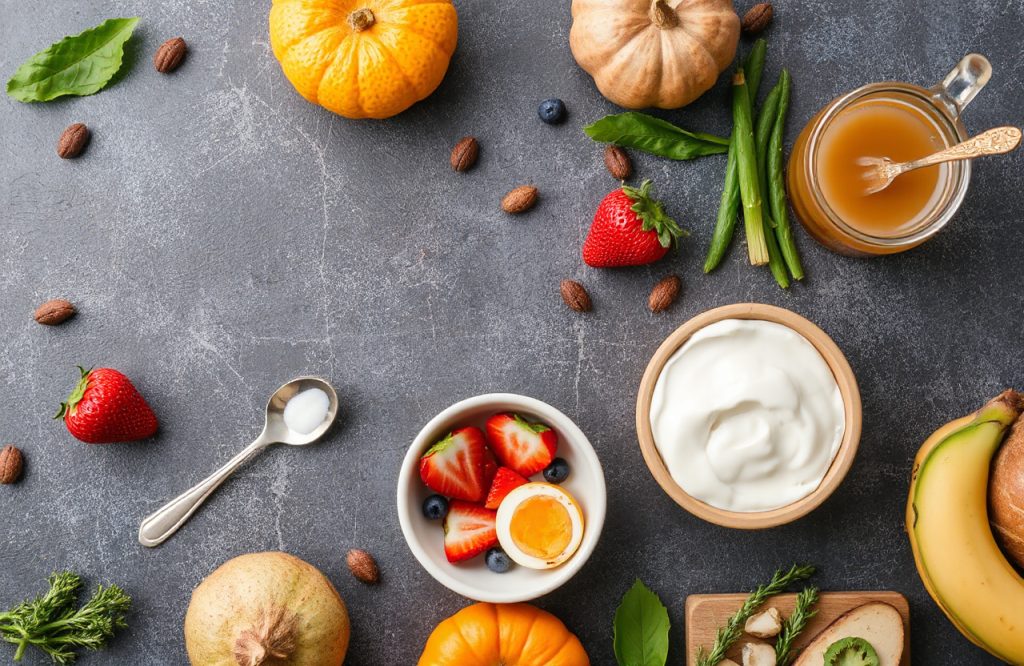
High in Protein and Fiber
The Importance of Breakfast for Gut Health
Starting your day with breakfast foods that promote a healthy gut is crucial. The gut comprises small and large intestines, which are lined with millions of beneficial bacteria. This gut microbiota plays a significant role in the development of obesity. Research indicates that analyzing gut bacteria can predict obesity with an accuracy of 90%. The diversity of bacteria in your gut varies with your diet and is essential for digestion, immune function, and weight regulation. Furthermore, low bacterial diversity has been associated with various diseases, including diabetes, inflammatory bowel disease, and celiac disease.
Nutrient-Dense Foods for Digestion
Foods rich in protein and fiber support digestion and provide sustained energy necessary for the efficient functioning of the digestive tract.
Protein for Gut Health
Nutritious Breakfast Options
The best breakfast foods for gut health are those that are nutritious, well-balanced, and filling. High-protein foods can help reduce hunger and increase metabolic rate after meals, potentially benefiting gut health more than carbohydrates and fats. While daily protein needs vary based on weight and lifestyle, the average requirement is 46-56 grams per day.
Protein Sources
Greek yogurt is an excellent protein source and can be enhanced with fruits or berries for added vitamins and minerals. Some yogurts contain probiotics, which are beneficial live bacteria, such as lactic acid bacteria and bifidobacteria.
Eggs are another versatile protein source, providing 20 grams of high-quality protein from three large eggs. They also promote feelings of fullness and help maintain steady blood sugar levels.
Granola is a filling breakfast option that includes high-protein and high-fiber ingredients like oats, nuts, and seeds. These components offer multiple benefits, including improved gut health, lower blood pressure, better cholesterol levels, and reduced inflammation.
A protein shake or smoothie can also serve as a satisfying breakfast choice. Consider adding high-protein and high-fiber ingredients such as peanut butter, avocado, flax seeds, and vegetables to enhance their nutritional value.
Fiber for Healthy Digestion
The Role of Fiber
A diet rich in fiber aids digestion and helps prevent constipation. It is recommended to aim for an intake of 30 grams of fiber daily. Insufficient dietary fiber can lead to reduced production of fatty acids and impaired mucosal barrier function in the digestive tract.
Fiber-Rich Foods
Foods high in fiber include chia seeds, berries, and leafy greens. For example, just 28 grams of chia seeds provide 11 grams of fiber. Fruits also offer high fiber and water content, along with antioxidants that lower disease risk.
Overnight oats are another excellent option, containing both soluble and insoluble fiber to improve digestive health and bowel regularity. Oats are rich in beta-glucans, which help lower cholesterol, regulate blood sugar levels, and foster a healthy gut environment.
Prebiotics for a Healthy Gut
Importance of Prebiotics
In addition to probiotics, incorporating prebiotics into your diet is essential. Prebiotics are complex carbohydrates that nourish the microbes in your gut. They can be found in foods such as vegetables, whole grains, asparagus, bananas, apples, flaxseeds, garlic, and onions.
Flaxseeds are particularly beneficial, containing insoluble fiber that acts as a natural laxative and can be added to various meals like oatmeal, smoothies, yogurt, and cereal. Bananas also provide essential vitamins, minerals, antioxidants, and fiber.
Additional Tips for Gut Health
Enhancing Breakfast Choices
You can further improve gut health by considering the following tips:
– Use skimmed or semi-skimmed milk instead of full-fat options.
– Moderate caffeine intake to one or two cups per day for better mood and metabolism.
– Opt for water and herbal teas rather than coffee, tea, or sugary drinks.
– Avoid highly processed foods.
– Increase your consumption of plant-based foods to support digestion.
– Choose extra-virgin olive oil for its high micronutrient content.
– Reduce sugar and artificial sweetener intake to maintain a balanced gut microbiome.
References
What should I eat for a healthy gut? (2020). BBC Food. Retrieved from: https://www.bbc.co.uk/food/articles/what_should_you_eat_for_a_healthy_gut
Valdes, A.M., et al. (2018). Role of the gut microbiota in nutrition and health. BMJ, 361.