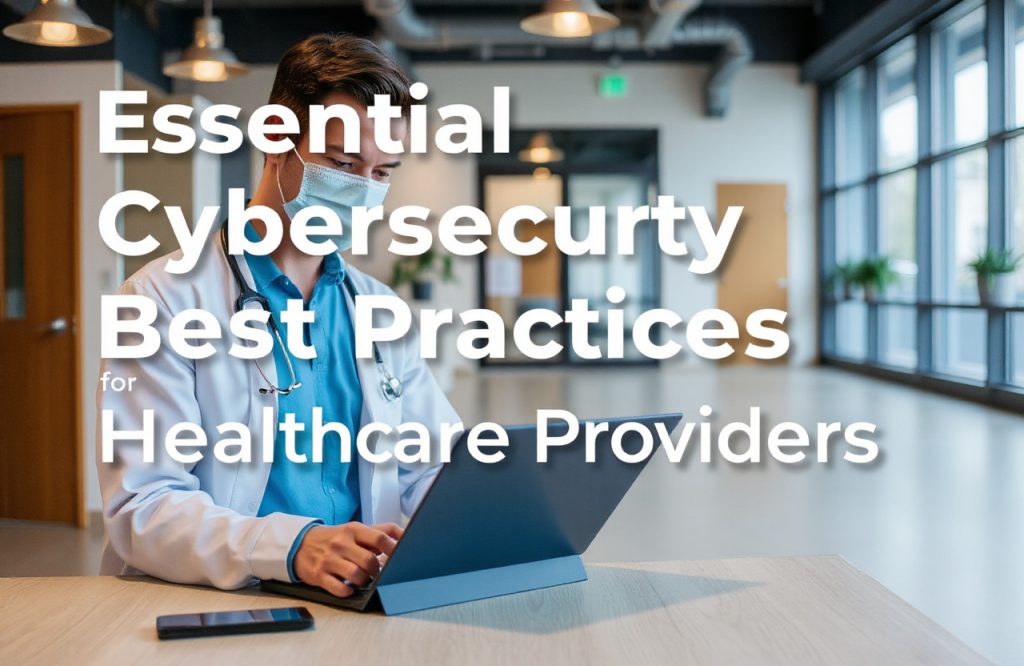
Enhancing Cybersecurity in Healthcare Organizations for 2025
As we approach 2025, cybersecurity must become a top priority for every healthcare organization. While there are numerous responsibilities within healthcare, protecting sensitive patient data is crucial, especially as cyber attacks become more frequent and sophisticated. Given that healthcare organizations are prime targets for cybercriminals due to the nature of their data, implementing best practices is essential. This article outlines key cybersecurity strategies for healthcare providers to bolster their security and operate confidently.
Utilize Strong Access Controls
Healthcare organizations often employ large teams, but not all employees require access to sensitive data. Implementing strong access controls based on the principle of least privilege ensures that users can only access data necessary for their specific roles. This approach minimizes the attack surface and reduces the risk of breaches, both internal and external. Regular reviews and updates of access controls are essential, especially during staff transitions.
Use Multi-Factor Authentication (MFA)
Cybercriminals frequently exploit weak passwords to gain system access. To mitigate this risk, organizations should mandate the use of random, complex passwords and implement multi-factor authentication (MFA). MFA adds an additional verification layer, such as a code sent to a linked device, biometric identification, or security questions, enhancing overall account security.
Provide Cybersecurity Awareness Training for Staff
Human error is a significant factor in many security breaches. Therefore, continuous cybersecurity awareness training for all healthcare employees is critical. This training should cover how to recognize common scams like phishing, ensure safe data handling, and understand company reporting procedures.
Understand Regulatory Compliance Requirements
Healthcare is a heavily regulated industry, necessitating strict adherence to patient data privacy laws. Familiarity with legal frameworks such as HIPAA (Health Insurance Portability and Accountability Act), HITRUST, and SOC 2 is essential. These frameworks outline important security controls and risk management practices. Non-compliance can lead to severe penalties and reputational damage. Utilizing specialist platforms like Thoropass can help streamline compliance through automation and continuous monitoring, providing tailored guidance to navigate complex regulations.
Keep Software and Systems Up to Date
Healthcare organizations depend on various software systems, making it crucial to keep all software, applications, and operating systems updated. Outdated software can create vulnerabilities, so establishing automated patch management processes ensures that systems are regularly updated with the latest security patches. Prioritize updates for any software handling sensitive patient data.
Use Advanced Endpoint Protection
The multitude of endpoints in healthcare, including desktops, laptops, tablets, smartphones, and medical devices, can serve as entry points for cybercriminals. Therefore, implementing robust endpoint protection is vital. This includes using antivirus software, anti-malware tools, and intrusion detection systems. Many advanced endpoint protection solutions offer behavioral analytics and real-time threat detection to enhance security effectiveness.
Ensure Secure Third-Party and Vendor Relationships
Healthcare organizations frequently engage third-party vendors for services such as billing and cloud hosting. These external partners can introduce security risks, making it essential to conduct thorough security assessments of all vendors. Incorporating cybersecurity requirements into contracts and service-level agreements (SLAs) is crucial, as is ongoing monitoring of vendor compliance.
Encrypt Data
Protecting sensitive patient data is a fundamental responsibility for healthcare organizations. One of the most effective methods is data encryption, both at rest and in transit. Encryption transforms data into an unreadable format, safeguarding it even if intercepted. Implementing strong encryption protocols significantly reduces the risk of data theft and unauthorized disclosure during a cyber attack or accidental exposure.
Create Incident Response Plans
Even with robust cybersecurity measures in place, breaches can still occur. Every healthcare organization should establish a comprehensive incident response plan to minimize damage during a cyber incident. This plan should outline clear roles and responsibilities, communication protocols, investigation steps, and procedures for notifying patients and regulatory bodies. Regular testing of the incident response plan is vital to ensure its effectiveness in detecting, containing, and recovering from cyber attacks.
Conduct Regular Cybersecurity Risk Assessments and Audits
Cybersecurity is an ongoing process, particularly as threats evolve rapidly. Therefore, healthcare organizations should schedule regular risk assessments and audits to identify vulnerabilities and evaluate the effectiveness of security controls. Conducting these assessments at least annually allows organizations to take corrective measures and strengthen their security posture.
Conclusion
In light of increasing cyber threats, it is imperative for healthcare organizations to prioritize cybersecurity in 2025. With their responsibility to protect sensitive patient data, implementing robust protection measures is essential for safeguarding against evolving cyber risks.
Image by Ron Lach from Pexels
The editorial staff of Medical News Bulletin had no role in the preparation of this post. The views and opinions expressed in this post are those of the advertiser and do not reflect those of Medical News Bulletin. Medical News Bulletin does not accept liability for any loss or damages caused by the use of any products or services, nor do we endorse any products, services, or links in our Sponsored Articles.