Understanding Ear Wax and Its Importance
Function of Ear Wax
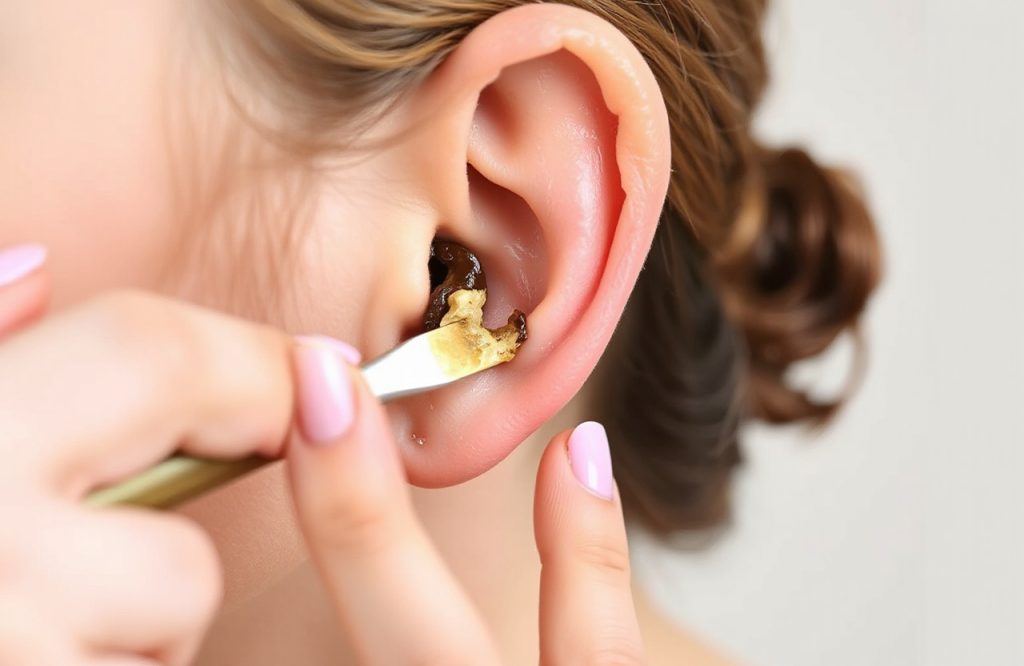
Ear wax plays a crucial role in maintaining ear health by serving as a cleaning and protective agent against germs and small particles, including dirt and dust. However, excessive ear wax can lead to blockage of the ear canal, which may result in symptoms such as itching, pain, ringing in the ears, cough, and, in severe cases, hearing loss. Elderly individuals and those who use hearing aids or earplugs are particularly susceptible to ear wax blockages.
Methods for Ear Wax Removal
1. Natural Self-Cleaning Process
In many cases, the body naturally removes old ear wax through a self-cleaning process involving jaw movement and skin shedding. This method, when combined with regular hygiene, is usually adequate for maintaining ear cleanliness and reduces the need for unnecessary treatments that could potentially cause more harm than good.
2. Irrigation
Irrigation is a method that utilizes a warm water stream to clear the ear canal. This technique can be performed at home and is particularly effective for ear wax removal, including in young children. Research has demonstrated that certain irrigation systems, such as the Elephant Ear Washer Bottle System® and OtoClear® Spray Wash Kit, are as effective as metal curettes regarding cerumen removal and user satisfaction. However, irrigation is not advisable for individuals prone to ear infections, those with eardrum lacerations, or those with ear tubes, as it can lead to temporary dizziness and discomfort.
3. Physical Removal by Healthcare Professionals
Physical removal of ear wax should be carried out exclusively by healthcare professionals, particularly by ear, nose, and throat (ENT) specialists. These experts use specialized instruments and suction devices to effectively remove ear wax. Although this method is quick, it can cause discomfort, ear infections, or bleeding, and may not be effective for long-term management of ear wax issues.
4. Ear Drops
Ear drops containing cerumenolytic agents can soften and break down compacted ear wax, facilitating its removal through other methods. These drops can be either oil- or water-based. However, there is insufficient high-quality evidence to definitively support their effectiveness compared to other treatments. While some studies indicate that a single application of a cerumenolytic agent, followed by irrigation, can effectively clear the ear canal, other research suggests saline solutions may be equally effective. Ear drops are not recommended for children under three years old or individuals with eardrum lacerations. Current recommendations suggest applying ear drops once or twice daily for three to five days, making it a convenient option for those seeking at-home treatment. However, the effects may not be long-lasting.
Practices to Avoid
Risks of Over-Cleaning
Over-cleaning the ears can lead to infections and increase the likelihood of ear canal blockages. Methods such as olive oil drops, ear candling, and inserting objects into the ears are discouraged.
Dangers of Cotton Swabs
Despite their popularity, cotton swabs can be more harmful than beneficial. They may cause ear injuries, including tympanic membrane rupture, infections, itchiness, ear pain, tinnitus, hearing difficulties, and ear discharge. Due to these risks, the use of cotton swabs is not recommended in current guidelines. Inserting objects into the ear can push wax deeper into the canal, exacerbating the problem.
Risks of Ear Candling
Ear candling can lead to burns, blockages, lacerations, and infections, and it has been shown to be ineffective in removing ear wax.
Consulting with a Healthcare Professional
Determining the most appropriate method for ear wax removal should involve a discussion with a healthcare provider, taking into account personal needs and circumstances. It is important to remember that ear wax is naturally produced by the body, and unless it causes symptoms, intervention may not be necessary.
References
1. Krouse, H. J., Magit, A. E., O’Connor, S., Schwarz, S. R., & Walsh, S. A. (2017). Plain Language Summary: Earwax (Cerumen Impaction). Otolaryngology–head and neck surgery: official journal of American Academy of Otolaryngology-Head and Neck Surgery, 156(1), 30–37. https://doi.org/10.1177/0194599816680327
2. Shope, T. R., Chen, C. P., Liu, H., & Shaikh, N. (2019). Randomized Trial of Irrigation and Curetting for Cerumen Removal in Young Children. Frontiers in pediatrics, 7, 216. https://doi.org/10.3389/fped.2019.002163
3. Aaron, K., Cooper, T. E., Warner, L., & Burton, M. J. (2018). Ear drops for the removal of ear wax. The Cochrane database of systematic reviews, 7(7), CD012171. https://doi.org/10.1002/14651858.CD012171.pub2
4. Singer, A. J., Sauris, E., & Viccellio, A. W. (2000). Ceruminolytic effects of docusate sodium: a randomized, controlled trial. Annals of emergency medicine, 36(3), 228–232. https://doi.org/10.1067/mem.2000.109166
5. Whatley, V. N., Dodds, C. L., & Paul, R. I. (2003). Randomized clinical trial of docusate, triethanolamine polypeptide, and irrigation in cerumen removal in children. Archives of pediatrics & adolescent medicine, 157(12), 1177–1180. https://doi.org/10.1001/archpedi.157.12.1177
6. Khan, N. B., Thaver, S., & Govender, S. M. (2017). Self-ear cleaning practices and the associated risk of ear injuries and ear-related symptoms in a group of university students. Journal of public health in Africa, 8(2), 555. https://doi.org/10.4081/jphia.2017.555