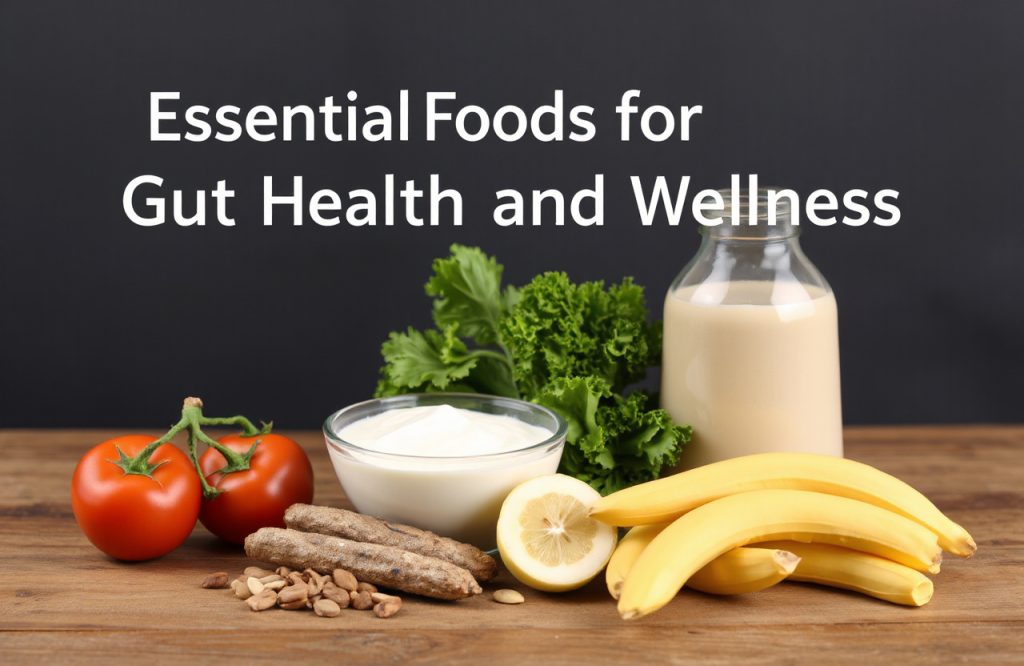
The Importance of Gut Health
Understanding Gut Health
Our gut health is fundamental to our overall well-being. Often referred to as the “second brain,” the gut’s functions extend beyond mere digestion. It is integral to our immune response, mental health, and sleep patterns. Poor gut health has been associated with various issues, including inflammation, weight gain, and mood disorders, while a balanced gut supports both immunity and mental wellness. Notably, our dietary choices play a significant role in influencing gut health.
Why Gut Health Matters
The gut microbiome, which harbors trillions of bacteria, fungi, and other microorganisms, is essential for food breakdown, nutrient absorption, and pathogen defense. Beneficial gut bacteria contribute to the production of vitamins such as B12 and K and assist in metabolism and immune regulation. A balanced microbiome fosters optimal health, but disruptions caused by stress, poor diet, and antibiotics can lead to digestive problems, weakened immunity, and mental health challenges.
Foods That Nourish Your Gut
1. Fermented Foods: The Probiotic Powerhouses
Fermented foods rank high for gut health. They undergo fermentation, during which natural bacteria consume sugars and starches, producing lactic acid that preserves the food and generates beneficial probiotics.
Yogurt
Yogurt is a popular fermented option, containing probiotics such as Lactobacillus and Bifidobacterium that aid digestion and may alleviate symptoms of irritable bowel syndrome (IBS).
Kefir
Kefir, similar to yogurt but with a tangy flavor, is rich in probiotics and beneficial yeast that combat harmful gut bacteria.
Sauerkraut
This fermented cabbage is abundant in fiber, vitamins C and K, and probiotics. Opt for unpasteurized varieties to retain beneficial bacteria.
Kimchi
Kimchi is a spicy Korean dish made with fermented vegetables, providing probiotics, fiber, vitamins, and minerals.
Tip
Incorporate a serving of fermented food into your daily diet, such as yogurt for breakfast or kimchi as a side dish, to help maintain healthy gut flora.
2. High-Fiber Foods: Fuel for Your Gut Bacteria
Fiber is vital for gut health, serving as a prebiotic that feeds beneficial bacteria. Insufficient fiber intake can lead to an imbalance favoring harmful bacteria.
Whole Grains
Whole grains like oats, barley, and brown rice are fiber-rich and promote the growth of beneficial gut bacteria. Oats specifically contain beta-glucan, a soluble fiber known for aiding digestion and reducing inflammation.
Legumes
Beans, lentils, and chickpeas are excellent prebiotics, promoting beneficial bacteria growth and supporting smooth digestive function.
Leafy Greens
Vegetables such as spinach, kale, and Swiss chard are high in fiber and packed with nutrients that support gut health and immune function.
Tip
Aim for at least 25 grams of fiber daily for women and 38 grams for men to maintain healthy bowel movements and nourish your gut microbiome.
3. Bone Broth: Healing and Nutrient-Rich
Bone broth is rich in gelatin from collagen, which supports the gut lining. Amino acids like glutamine, glycine, and proline present in bone broth can soothe digestive tract inflammation, making it beneficial for those with conditions like leaky gut or IBS.
Collagen Content
The collagen in bone broth strengthens the gut lining, protecting against irritants and reducing inflammation.
Minerals
Bone broth is also a source of essential minerals such as magnesium, potassium, and calcium, vital for various bodily functions.
Tip
Consume bone broth alone or as a base for soups and stews. Drinking a cup daily can promote sustained gut health benefits.
4. Garlic and Onions: Prebiotic-Rich Foods
Both garlic and onions serve as prebiotic foods that nourish beneficial gut bacteria. They are high in inulin, a fiber that supports digestive health.
Garlic
Garlic has antibacterial and antifungal properties that can help maintain a healthy microbiome while keeping harmful bacteria in check.
Onions
Rich in antioxidants and fiber, onions support gut health by feeding beneficial bacteria and mitigating inflammation.
Tip
Incorporate garlic and onions into daily meals to enhance flavor and boost gut health.
5. Fruits Rich in Polyphenols
Polyphenols are plant compounds with antioxidant properties that benefit gut health by promoting the growth of beneficial bacteria.
Berries
Berries such as blueberries, strawberries, and raspberries are abundant in polyphenols and can support beneficial gut bacteria while reducing inflammation.
Apples
Apples are high in fiber and polyphenols, aiding digestion and regulating bowel movements.
Grapes
Grapes contain resveratrol, a polyphenol that may improve gut bacteria balance.
Tip
Include a serving of polyphenol-rich fruits daily, enjoying them as snacks, in smoothies, or as yogurt toppings.
6. Healthy Fats: Olive Oil and Avocado
Healthy fats are vital for gut health, helping to reduce inflammation and support fat-soluble vitamin absorption.
Olive Oil
Rich in monounsaturated fats and polyphenols, olive oil has anti-inflammatory properties beneficial for gut health.
Avocado
Avocado is high in fiber and healthy fats, aiding digestion and supporting the gut microbiome.
Tip
Use olive oil in salads or as a cooking oil and add avocado to meals for added fiber and healthy fats.
7. Beef Jerky Sticks: Convenient Protein and Nutrient Boost
Beef jerky sticks, particularly those made from high-quality, grass-fed beef, can be a nutritious addition to a gut health-focused diet. They provide protein essential for repairing cells in the digestive tract and contain nutrients like zinc and B vitamins.
Protein Content
The protein in beef jerky aids in repairing and building tissues, including gut lining cells.
Convenience
High-quality beef jerky sticks are convenient snacks that provide sustained energy without causing blood sugar spikes.
Tip
Choose minimally processed beef jerky with low sodium content to avoid gut irritation. Grass-fed options offer additional health benefits, including higher omega-3 fatty acids.
8. Bananas: Gentle on the Stomach and High in Fiber
Bananas are a gentle fruit that can soothe the digestive tract, especially for sensitive stomachs. They are also high in fiber, particularly pectin, which aids digestion.
High in Prebiotic Fiber
The fiber in bananas acts as a prebiotic, nourishing beneficial gut bacteria.
Rich in Potassium
Bananas help maintain fluid balance, which is crucial for gut health.
Tip
Enjoy bananas as a snack or add them to oatmeal for a fiber-rich, easy-to-digest breakfast.
9. Nuts and Seeds: Fiber and Healthy Fats
Nuts and seeds, including almonds, chia seeds, and flaxseeds, are rich in fiber, healthy fats, and antioxidants that support gut health.
Almonds
Almonds are high in fiber, vitamin E, and magnesium, all of which are beneficial for gut health.
Chia Seeds and Flaxseeds
Both are excellent sources of fiber and omega-3 fatty acids, known for their anti-inflammatory properties that benefit gut health.
Tip
Sprinkle chia or flaxseeds over yogurt or blend them into smoothies to enhance your diet with fiber.
Conclusion
Prioritizing gut health is a crucial investment in overall wellness. A diet rich in fiber, fermented foods, and nutrient-dense options can promote a balanced microbiome, enhance digestion, and bolster immunity. By including foods like yogurt, whole grains, bone broth, beef jerky sticks, and polyphenol-rich fruits, you can establish a strong foundation for a healthier gut.
To achieve the best results, aim to integrate these gut-friendly foods into your regular diet. A diverse and balanced diet, coupled with adequate hydration and mindful eating, will help maintain a thriving digestive system, positively impacting your energy levels, mood, and immune function.