Study on Hearing Loss at Music Festivals
Introduction
Researchers in the Netherlands have examined the factors that lead to temporary threshold shifts (TTS) in hearing among individuals who attend music festivals. Hearing loss has become a growing concern among younger populations, likely linked to the increased popularity of music festivals, concerts, and clubs as leisure activities.
Understanding Noise-Induced Hearing Loss
Noise-induced hearing loss occurs due to prolonged exposure to loud sounds that can damage structures in the inner ear. The effects of such exposure can be either immediate or progressive, manifesting as either temporary or permanent hearing loss.
Defining Temporary Threshold Shift
A temporary threshold shift (TTS) refers to a short-term impact of noise-induced hearing loss, where individuals may experience hearing difficulties for hours, days, or even weeks. Fortunately, hearing typically returns to baseline levels over time.
Factors Influencing TTS
Previous research has identified several factors that contribute to the risk of developing noise-induced hearing loss, including age, gender, alcohol consumption, drug use, and smoking. Notably, the usage of earplugs has been shown to mitigate the effects of TTS.
Findings from the Netherlands Study
Study Overview
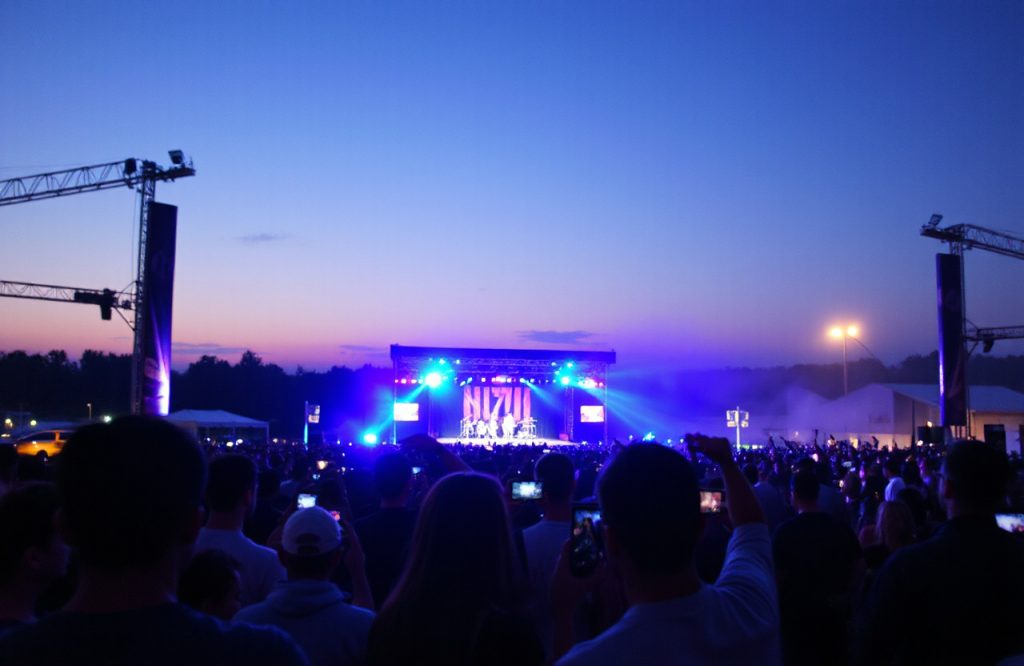
The study involved 51 participants, averaging 27 years old, who attended an outdoor music festival in Amsterdam on September 5, 2015. Half of the participants were instructed to wear earplugs during the 4.5-hour festival. Hearing evaluations were conducted before and after the event, alongside questionnaires addressing earplug usage, alcohol and drug consumption, and gender.
Results on TTS Associations
The researchers focused on the incidence of TTS and discovered several influencing factors. Notably, the absence of earplugs, alcohol and drug consumption, and male gender were significantly associated with TTS. These associations were independent and ranked by their level of impact.
Impact of Earplug Use
Participants who used earplugs reported enhanced music appreciation and improved speech perception, particularly with prolonged use. Conversely, those who did not wear earplugs experienced more severe hearing issues and tinnitus. Interestingly, earplug users did not position themselves closer to the speakers, yet they consumed more alcohol than non-users.
Limitations of the Study
The study’s reliance on self-reported data may have affected the reliability of the findings. Additionally, researchers did not track participants’ hearing after the festival to determine whether the hearing loss was temporary or permanent. Some factors, such as smoking and race, known to correlate with noise-induced hearing loss were also not considered.
Conclusion and Recommendations
Need for Increased Awareness
With the popularity of loud recreational activities rising among younger individuals, further research is essential to understand and prevent noise-induced hearing loss. The authors emphasize the importance of raising awareness about the long-term risks associated with prolonged exposure to loud noise, suggesting that physicians routinely advise on this issue.
Promoting Earplug Usage
While additional studies are necessary to pinpoint specific factors contributing to recreational noise-induced hearing loss, promoting the use of earplugs at music festivals may be a beneficial strategy for attendees.
Reference
Kraaijenga VJC, van Munster JJCM, van Zanten GA. “Association of Behavior With Noise-Induced Hearing Loss Among Attendees of an Outdoor Music Festival: A Secondary Analysis of a Randomized Clinical Trial.” JAMA Otolaryngol Head Neck Surg. Published online April 19, 2018. doi:10.1001/jamaoto.2018.0272.