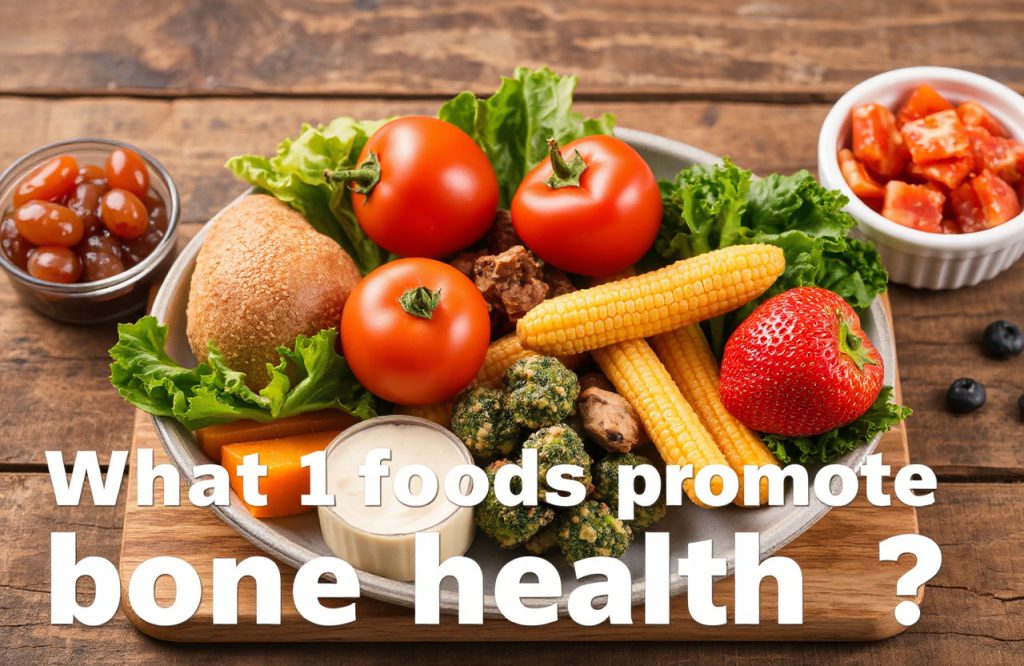
Best Foods to Promote Bone Health
Introduction
A well-balanced diet, complemented by regular exercise, is essential for maintaining bone health throughout life. It is important to maintain a healthy body weight to reduce the risk of fractures. The NHS specifically highlights the significance of calcium and vitamin D for optimal bone health.
Calcium: A Key Nutrient
Daily calcium intake is vital for bone formation and maintenance from childhood to older age. Good sources of calcium include:
– Dairy products
– Green leafy vegetables (excluding spinach, which contains oxalate that hinders calcium absorption)
– Soya beans
– Tofu
– Nuts
– Dried fruits (such as raisins, prunes, figs, and dried apricots)
– Sesame seeds and tahini
– Fortified flours and milks
– Sardines and pilchards
Vitamin D: Enhancing Calcium Metabolism
Vitamin D plays a crucial role in the metabolism and absorption of calcium into bones. Excellent sources of vitamin D are:
– Oily fish (including salmon, sardines, and mackerel)
– Egg yolks
– Fortified fat spreads and breakfast cereals
– Vitamin D supplements
Vitamin K: Protecting Bone Density
Vitamin K is essential for maintaining bone mineral density and preventing calcium loss. It supports osteocalcin synthesis, a calcium-binding protein hormone. Good sources of vitamin K include:
– Green leafy vegetables
– Vegetable oils (such as soybean, rapeseed, and olive oil)
– Fermented vegetables like sauerkraut
– Beef and pork liver
Vitamin C also contributes to bone health due to its antioxidant properties, although further research is needed to solidify its role against osteoporosis.
Potassium and Magnesium: Essential Minerals
Potassium and magnesium are important for reducing fracture risk. Studies suggest that potassium may help decrease calcium depletion, while magnesium is vital for bone formation and vitamin D metabolism. Good sources of magnesium include:
– Legumes
– Nuts
– Seeds
– Whole grains and cereals
The Role of Protein
Adequate protein intake is crucial for maintaining bone health. Dietary proteins enhance bone formation and calcium absorption. Research indicates that sufficient protein intake is linked to greater bone density, strength, and a reduced risk of fractures, particularly when combined with adequate calcium intake and exercise. Both animal and plant-based proteins support bone health.
Vitamin A: Caution Required
Excessive vitamin A may increase fracture risk, and diets high in vitamin A-rich foods are not recommended for individuals at risk of osteoporosis. It is important for these populations to adhere to the recommended dietary allowances for vitamin A.
The Mediterranean Diet: A Holistic Approach
The Mediterranean diet, rich in olive oil, fruits, vegetables, low-fat dairy, whole grains, nuts, legumes, fish, and poultry, has been linked to improved bone health. In contrast, diets high in processed foods, fats, sodium, and additives may negatively impact bone health.
Conclusion
Incorporating a variety of nutrient-rich foods into your diet is essential for promoting bone health and preventing osteoporosis. A balanced diet alongside regular exercise can significantly contribute to maintaining strong bones throughout life.