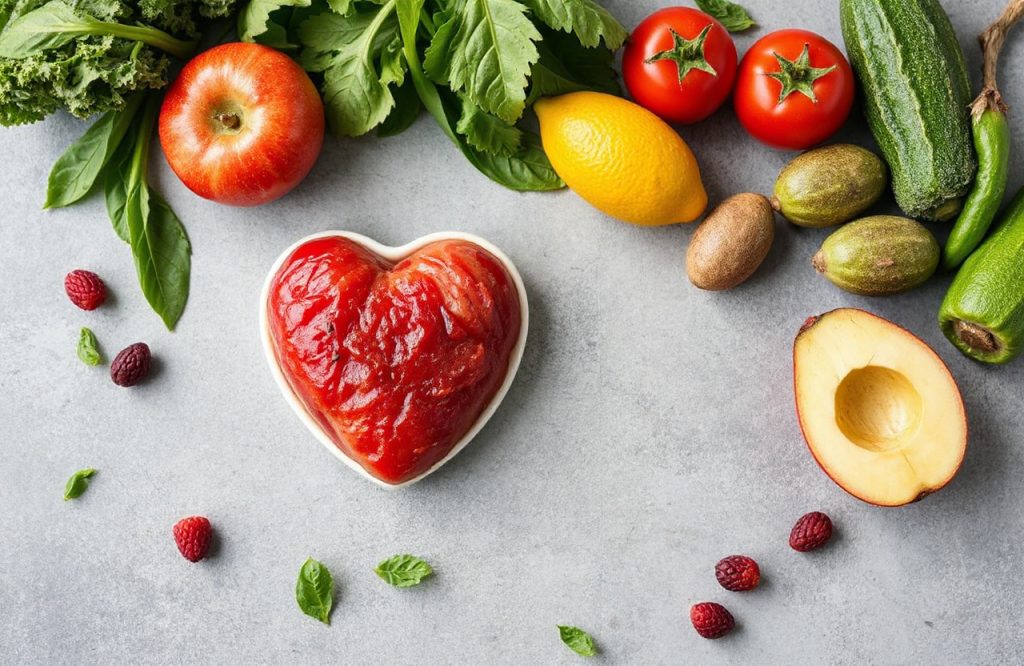
Understanding Heart Disease and Diet
Heart disease remains the leading cause of death globally. Lifestyle factors, including physical activity and nutrition, significantly influence its development or prevention. Diet is particularly crucial for maintaining heart health, as various foods contain compounds that help regulate blood pressure, promote “good” fat levels, and reduce inflammation. This article explores the best foods for heart health.
Fruits
Fruits are vital in a heart-healthy diet, offering numerous health benefits. Berries, in particular, are excellent for heart protection. They are rich in antioxidants that combat oxidative stress and inflammation, helping to prevent heart disease. Additionally, berries contain tiny seeds rich in fiber, which can lower “bad” cholesterol and aid in blood pressure regulation. While blueberries and strawberries offer fiber, blackberries and raspberries provide even higher amounts.
Vegetables
Vegetables, especially leafy greens like kale and spinach, are loaded with nutrients that promote heart health. They are abundant in vitamins, minerals, and antioxidants, with vitamin K playing a key role in artery protection and blood pressure reduction. Consuming adequate vegetables can lower the risk of heart disease by approximately 16%. Research consistently shows that fruits and vegetables contribute to a decreased risk of heart disease and overall mortality.
Dark Chocolate
Dark chocolate is rich in flavonoids, which are beneficial plant compounds with strong antioxidant properties. It contains more flavonoids per weight than many other foods. The healthy fats in dark chocolate can help maintain “good” cholesterol levels. Long-term studies suggest that moderate consumption of dark chocolate as part of a balanced diet can be beneficial for heart health.
Chia Seeds
Chia seeds (Salvia hispanica) have been a dietary staple for over 5,000 years. These tiny seeds boast a high nutrient profile, comprising 31-34% fat, 16-26% protein, and 23-35% dietary fiber. They are also rich in essential minerals such as magnesium, calcium, and potassium, as well as vitamins A and C. The omega-3 and omega-6 fatty acids in chia seeds help reduce inflammation and oxidative stress.
Beans
Beans, classified as legumes, offer substantial nutritional value. They are an excellent source of dietary fiber, vitamins, and minerals. Beans provide more protein and healthy fats compared to cereal grains and are rich in essential amino acids. They are also packed with micronutrients, including iron and zinc. Notably, darker beans contain phytochemicals with antioxidant and anti-cancer properties. Clinical studies indicate that increased consumption of beans can lower cholesterol levels and reduce the risk of heart disease significantly.
Olive Oil
Olive oil is a fundamental component of many diets, particularly in Mediterranean cuisine. It serves as a healthy source of dietary fats, particularly monounsaturated fats (MUFAs), which are essential for cell function and have anti-inflammatory properties. Olive oil is also rich in vitamin E and polyphenols. Research has demonstrated that olive oil consumption can significantly reduce the risk of heart attacks and strokes.
Red Wine
Red wine may offer benefits against heart disease due to its polyphenol and anti-inflammatory properties, which help protect the arteries from oxidative stress and inflammation. Moderate consumption has been linked to higher levels of “good” cholesterol and a lower risk of heart disease. However, excessive alcohol intake can have the opposite effect, so moderation is key.
Green Tea
Teas, particularly green tea, are rich in health-promoting compounds and are among the most consumed beverages worldwide. Green tea, derived from the Camellia sinensis plant, is known for its high antioxidant content, which helps reduce inflammation and combat heart disease. Studies indicate that those who consume five or more cups of green tea daily may lower their risk of heart disease by 16% compared to those who drink only one cup.
Conclusion
Maintaining a heart-healthy diet is crucial for overall health and well-being. Incorporating these nutrient-rich foods can help prevent and manage heart disease effectively.
References
1. Lee Y, Berryman CE, West SG, et al. Effects of Dark Chocolate and Almonds on Cardiovascular Risk Factors in Overweight and Obese Individuals: A Randomized Controlled-Feeding Trial. J Am Heart Assoc. 2017;6(12):e005162. doi:10.1161/JAHA.116.005162
2. Aune, D., et al. Fruit and vegetable intake and the risk of cardiovascular disease, total cancer and all-cause mortality: a systematic review and dose-response meta-analysis of prospective studies. International journal of epidemiology, 46(3), 1029–1056. doi:10.1093/ije/dyw319
3. Pollock R. L. The effect of green leafy and cruciferous vegetable intake on the incidence of cardiovascular disease: A meta-analysis. JRSM cardiovascular disease, 5, 2048004016661435. doi:10.1177/2048004016661435
4. Marcinek, K., & Krejpcio, Z. Chia seeds (Salvia hispanica): health promoting properties and therapeutic applications – a review. Roczniki Panstwowego Zakladu Higieny, 68(2), 123–129.
5. Imran Hayat, et al. Nutritional and Health Perspectives of Beans (Phaseolus vulgaris L.): An Overview, Critical Reviews in Food Science and Nutrition, 54:5, 580-592, DOI: 10.1080/10408398.2011.596639
6. Guasch-Ferré, M., et al. Olive Oil Consumption and Cardiovascular Risk in U.S. Adults. Journal of the American College of Cardiology, 75(15), 1729–1739. doi:10.1016/j.jacc.2020.02.036
7. Castaldo, L., et al. Red Wine Consumption and Cardiovascular Health. Molecules, 24(19), 3626. doi:10.3390/molecules24193626
8. Kuriyama, S., et al. Green tea consumption and mortality due to cardiovascular disease, cancer, and all causes in Japan: the Ohsaki study. JAMA, 296(10), 1255–1265. doi:10.1001/jama.296.10.1255