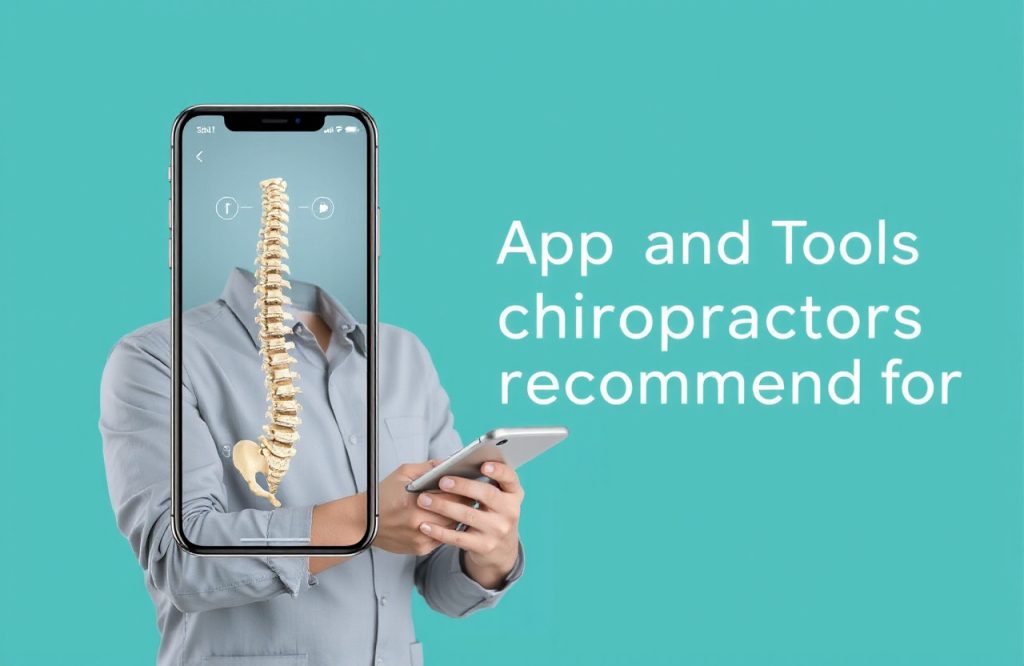
Understanding Spine Health
The Importance of a Healthy Spine
The health of the spine significantly influences our movement, well-being, and daily activities. It provides structural support for the body, safeguards the nervous system, and facilitates flexibility and balance. However, many individuals experience persistent back pain and stiffness due to prolonged sitting, poor posture, and a lack of mobility. According to the World Health Organization, musculoskeletal disorders, particularly back pain, rank among the leading causes of disability worldwide.
Embracing Technology for Spinal Health
With a growing awareness of preventive care, chiropractors and health professionals are leveraging mobile applications and online solutions to empower individuals to take charge of their spinal health. Many people looking for chiropractic services in Dunwoody, GA, are discovering how these digital tools simplify the process of monitoring posture, tracking symptoms, and maintaining consistency with exercises between appointments.
The Real Meaning of Spine Health
Defining a Healthy Spine
A healthy spine allows for unrestricted movement and proper posture while supporting the body’s nerve functions. Misalignment of the spine can lead to pain, fatigue, and restricted mobility. Common issues associated with poor spinal health include:
– Chronic lower back pain
– Neck and shoulder stiffness
– Postural imbalances from prolonged screen time
– Degenerative diseases such as herniated discs or arthritis
Engaging in proactive measures like stretching, movement, and adopting ergonomic positions can help maintain a strong spine and alleviate chronic pain.
The Role of Mobile Apps in Promoting Spinal Wellness
Transformation Through mHealth
The rise of mobile health technology (mHealth) has revolutionized how individuals manage their physical well-being. Chiropractors recommend health and posture apps as they assist users in establishing effective routines for improved spinal alignment and movement. These applications provide:
– Real-time posture notifications and alerts
– Stretching and exercise programs
– Tools for symptom and pain management
– Educational resources on spinal care
By consistently utilizing these aids, users can remain aware of their sitting habits and daily routines, promoting long-term spinal health.
Posture Correction Apps
Posture correction apps guide users in maintaining proper sitting or standing positions. Some utilize phone sensors or gentle reminders to alert users when they begin to slouch. This ongoing awareness strengthens the muscles that support good posture and reduces strain on the spine over time.
Stretching and Exercise Applications
Stretching and exercise apps provide structured programs focused on the back, neck, and core muscles. Regular engagement with these exercises enhances flexibility, strengthens supportive muscles, and improves spinal stability. Additionally, they help combat stiffness caused by prolonged inactivity.
Pain Tracking and Management Applications
Pain management apps allow users to log pain levels, frequency, and triggers. This data aids both patients and healthcare providers in tracking progress and identifying patterns. Many of these apps also include reminders for movement, medication, or hydration, simplifying daily self-care.
Educational Health Apps
Education is crucial for prevention. Health education apps offer accurate information on spinal anatomy, ergonomics, and posture correction. Understanding how lifestyle factors impact spinal function encourages individuals to be more mindful in their daily activities.
Complementary Digital Tools for Spine Health
Beyond Mobile Applications
In addition to mobile apps, various digital tools can support spinal care. Ergonomic furniture, portable posture monitors, and physical therapy equipment can enhance spinal health. For instance, sit-stand desks promote healthy working positions, lumbar cushions improve sitting posture, and foam rollers help relieve muscle tension. When used under professional guidance, these tools complement digital tracking and exercise programs.
Safe and Smart Usage of Technology
Consulting Professionals
While mobile applications and digital devices can be effective, they should not replace professional evaluations. Individuals experiencing chronic or acute pain should consult a qualified chiropractor or healthcare provider before starting new practices. Expert guidance ensures that selected exercises and tools are safe and suitable for individual needs.
Frequently Asked Questions (FAQs)
Can posture be improved with mobile apps?
Yes, posture correction apps provide reminders and feedback to help users maintain proper posture throughout the day. Consistent use can retrain muscles and reduce slouching over time.
Are these apps safe for individuals with chronic back pain?
Most apps are safe when used responsibly. However, those with chronic pain or spinal conditions should seek medical advice before starting new exercises or using digital therapy tools.
What role do wearable devices play in spine health?
Smartwatches can monitor activity, posture, and sedentary behavior, providing alerts when users adopt incorrect postures and encouraging increased movement throughout the day.
Are spine health apps expensive?
Many posture, stretching, and pain tracking apps are available for free or at a low-cost premium. They often provide free versions to help users determine which apps best meet their needs before committing to upgrades.
Will technology ever replace chiropractic care?
No, while digital tools can serve as helpful supplements, they cannot replace professional diagnosis and treatment. A combination of app usage for self-care and regular evaluations by a qualified chiropractor or spine specialist is most effective.
The Future of Spine Health
Technology is enhancing spinal care, making wellness more interactive. The integration of chiropractic practices, exercise science, and mobile technology fosters self-care and promotes long-term spinal strength. Understanding spine health involves pain prevention through awareness, movement, and daily care. A healthy and flexible spine can be a seamless part of everyday life with the right combination of professional support and technological assistance.