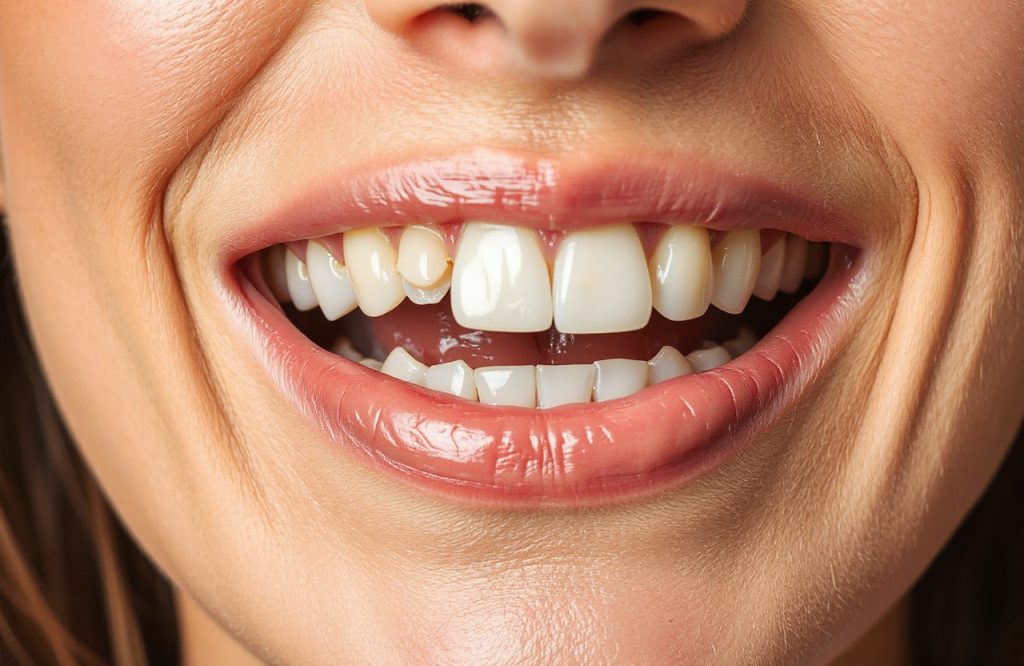
Understanding the Impact of Missing Teeth
Consequences of Missing Teeth
Missing teeth can influence more than just your smile; they can affect your confidence, ability to eat, and clarity of speech, as well as your long-term oral health. Whether tooth loss is due to injury, decay, or aging, modern dentistry provides various effective solutions to restore both your smile and oral functionality.
The Importance of Addressing Missing Teeth
When a tooth is lost and not replaced, surrounding teeth may shift, leading to bite alignment issues and potential jaw pain or chewing difficulties. This condition can also result in bone loss in the jaw, impacting facial structure and increasing the risk of further tooth loss. Furthermore, many individuals experience a decline in self-confidence and discomfort in social situations due to missing teeth. Fortunately, contemporary dental care can restore both function and aesthetics.
Effective Treatment Options for Missing Teeth
1. Dental Implants
Dental implants consist of titanium posts surgically placed into the jawbone, functioning as artificial tooth roots. A crown is then attached to replace the visible part of the tooth.
Pros:
– Long-lasting solution, often for a lifetime with proper care
– Looks and feels like a natural tooth
– Prevents jawbone loss
– Does not affect adjacent healthy teeth
Cons:
– Higher initial cost
– Requires minor surgery
– Not suitable for individuals with certain health conditions or insufficient bone mass
Dental implants are ideal for those seeking a permanent, natural-feeling solution and are willing to invest in long-term dental health. For professional dental implant services, consider www.smilenowdentalimplantcenters.com, which offers personalized care.
2. Dental Bridges
A dental bridge involves creating false tooth or teeth supported by adjacent natural teeth or implants, with traditional bridges using crowns cemented to the surrounding teeth.
Pros:
– More affordable than implants
– Faster treatment process, usually completed in a few weeks
– Aesthetic improvement for your smile
Cons:
– Requires altering the structure of neighboring healthy teeth
– Does not prevent jawbone loss under the missing tooth
– May require replacement every 5–15 years
Bridges are suitable for patients who are not candidates for implants or prefer a quicker, less invasive solution.
3. Partial Dentures
Partial dentures are removable appliances designed to replace one or more missing teeth, fitting onto the gums to stay in place.
Pros:
– Affordable and non-invasive
– Easy to adjust and repair
– Can replace multiple missing teeth simultaneously
Cons:
– Less stable than implants or bridges
– May feel bulky or uncomfortable initially
– Requires daily removal and cleaning
Partial dentures offer a flexible and budget-friendly solution, particularly for those missing multiple teeth.
4. Complete Dentures
Full dentures replace all teeth in the upper or lower jaw and are typically made from acrylic resin.
Pros:
– Suitable for those with extensive tooth loss
– More cost-effective than full-arch implants
– Improved facial structure and smile aesthetics
Cons:
– Can shift or become loose without adhesive
– May affect taste and speech
– Requires daily maintenance and occasional relining
Dentures are an excellent option for older adults or those missing most or all of their teeth.
5. Implant Supported Dentures
This solution combines dentures with implants to secure the denture in place, providing a more stable fit than traditional dentures.
Pros:
– More stable than removable dentures
– Helps preserve jawbone
– Easier to eat and speak with
Cons:
– More expensive than standard dentures
– Requires surgical placement of implants
This option is ideal for individuals seeking the stability of implants while replacing an entire arch of teeth.
Factors to Consider When Choosing a Tooth Replacement Option
1. Budget
Cost often plays a significant role in decision-making. While implants are pricier, they offer long-lasting benefits, whereas dentures and bridges are more affordable but may need replacement over time.
2. Oral and General Health
Some treatments, such as implants, require healthy gums and jawbone. Individuals with underlying health issues may need alternative options.
3. Lifestyle
Consider whether you prefer a permanent or removable solution and if you prioritize aesthetics over convenience.
4. Number of Missing Teeth
One missing tooth might be best treated with an implant or bridge, while multiple missing teeth could necessitate partial dentures or implant-supported solutions.
5. Longevity and Maintenance
While dentures and bridges may require replacement every few years, implants provide a lifetime solution with regular dental care.
Conclusion
Missing teeth can impact your health, functionality, and overall quality of life. Thankfully, modern dental solutions offer a variety of options tailored to individual needs and budgets. From dental implants to bridges and dentures, there is a suitable treatment plan for everyone. Always consult with a qualified dentist or oral health specialist to determine the best option for your specific situation—your smile is worth it.