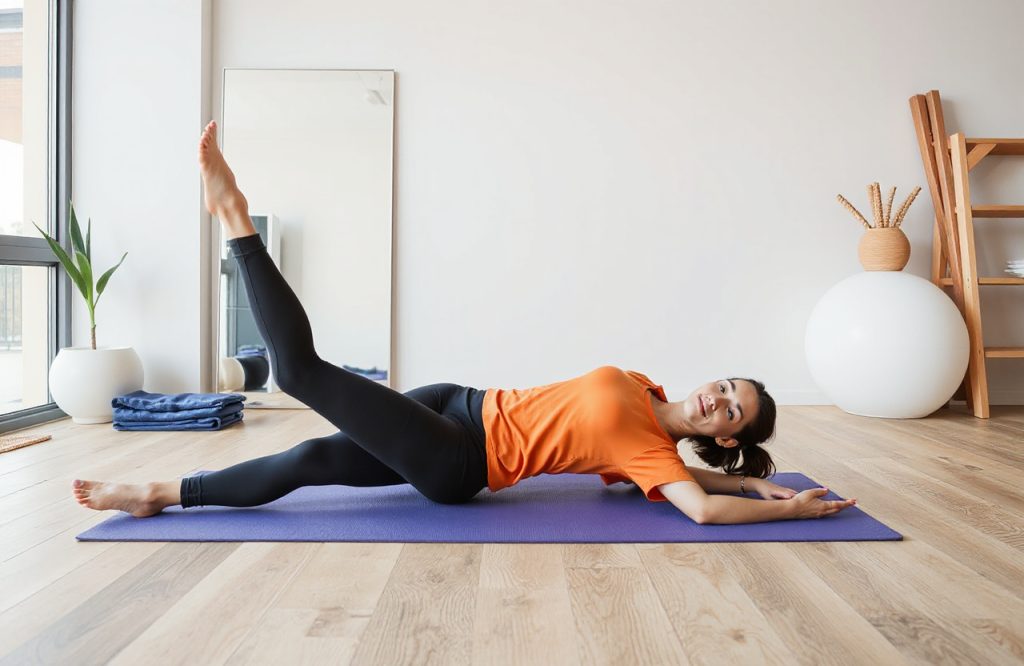
Exploring the Health Benefits of Pilates for Chronic Musculoskeletal Conditions
Introduction
Recent research has delved into the health advantages of Pilates, particularly for individuals living with chronic musculoskeletal conditions. This study focused on participants who engaged in a 12-week Pilates program, specifically targeting issues such as osteoarthritis, chronic pain, and nonspecific lower back pain.
Increasing Prevalence of Chronic Conditions
According to the study published in Musculoskeletal Care, the incidence of chronic diseases is rising, largely due to increased life expectancy. Regular physical activity is suggested to alleviate symptoms associated with these chronic conditions.
Overview of Pilates
Pilates is a versatile exercise method that can be tailored to meet individual needs. It offers a variety of benefits, including enhanced balance, stability, and flexibility.
Research Methodology
Participant Demographics
The study involved 22 participants, comprising 15 women and seven men, aged between 36 and 83 years, with an average age of 57. Some participants had previously completed a 12-week Pilates program, while others had over a year of Pilates practice.
Data Collection Approach
Utilizing a “sensitive interview approach,” researchers gathered qualitative data on participants’ experiences and insights. Focus groups facilitated open discussions, creating a relaxed environment for sharing.
Findings and Health Benefits of Pilates
Physical Improvements
The results highlighted several health benefits from Pilates, categorized into five areas: physical, work and hobbies, mental, condition management, and motivation to continue exercising. Key physical improvements included increased flexibility, enhanced balance, and a stronger core. Participants reported reduced stiffness and an overall enhancement in well-being.
Enhancements in Work and Hobbies
Participants noted that Pilates improved their performance at work and allowed them to re-engage in past hobbies with less discomfort. Older participants particularly appreciated the social interactions fostered by attending classes, and many reported improvements in posture.
Psychosocial Benefits
In addition to physical gains, Pilates contributed to increased confidence and stress relief. Many participants expressed feeling better during and after workouts, attributing this to a reduction in tension and anxiety.
Pain Management
Another significant finding was the role of Pilates in pain management. Participants indicated that they could manage their conditions effectively through Pilates, resorting to medical assistance only when necessary.
Study Limitations and Conclusion
Limitations
The authors acknowledged certain limitations in the study, including a small sample size and limited socioeconomic diversity among participants.
Concluding Remarks
Overall, the research suggests numerous health benefits associated with Pilates for individuals with chronic musculoskeletal conditions. All participants agreed on the importance of continuing their exercise routines to enhance both physical and mental health while managing pain effectively.
References
Gaskell, Kim, and Williams, Anita E. “A qualitative study of the experiences and perceptions of adults with chronic musculoskeletal conditions following a 12-week Pilates exercise programme.” Wiley, 2018. 1-9. Online. Pilates provides a range of benefits for patients with chronic musculoskeletal conditions. 2018, https://www.eurekalert.org/pub_releases/2018-11/w-ppa110618.php, assessed 8 Nov. 2018.