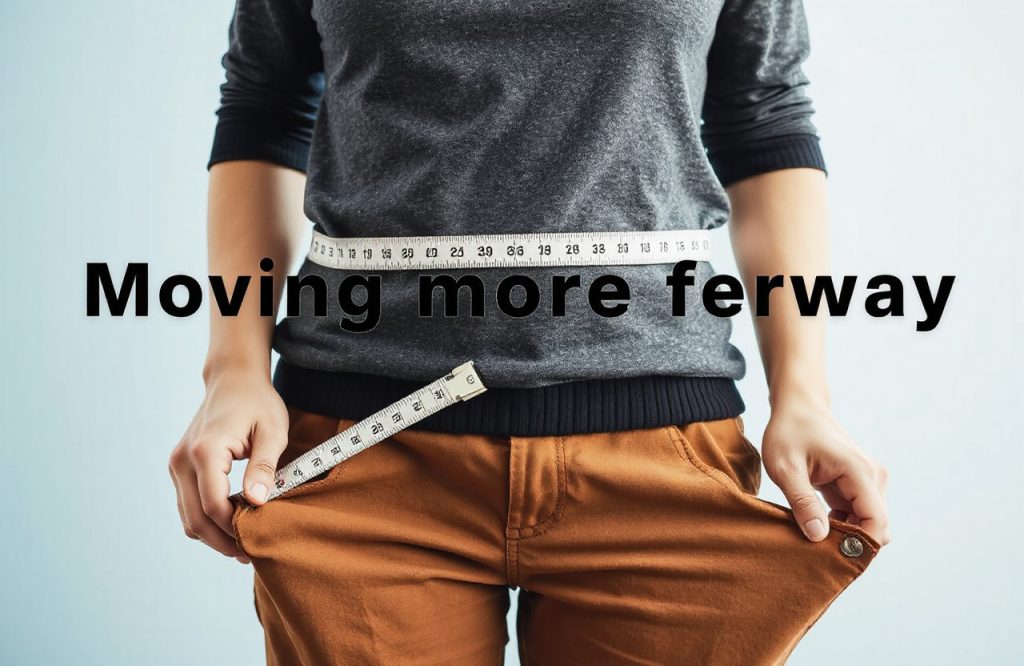
Study Highlights Benefits of Frequent Movement for Obese Adults
Overview of the Research
A recent study published in the journal *Obesity* explores the impact of frequent movement on health, particularly in obese adults. Obesity is a significant risk factor for mobility-related issues. The study, supported by the National Institutes of Health and the National Institute on Aging, reveals that exercise does not need to be intense or formally structured to effectively aid in weight loss.
Key Findings
The research suggests that obese adults seeking weight loss may find equal benefits from simply increasing their movement frequency throughout the day. The study involved 183 obese participants aged between 65 and 85 years. Notably, this research is the first to demonstrate that a routine focused on consistent movement can yield short-term weight loss comparable to structured workouts, such as using a treadmill, while also promoting better long-term weight maintenance.
Encouraging Healthy Movement
The study indicates that incorporating enjoyable movement into daily routines can enhance health outcomes. Examples of simple movements include:
– Standing or engaging in light activities while watching television.
– Taking mindful walks around the home.
– Gradually increasing daily step goals by 25% each week until reaching 10,000 steps per day.
Current Practices and Recommendations
Currently, many adults facing obesity often require counseling to modify their eating and exercise habits. The U.S. Department of Health and Human Services recommends moderate to vigorous physical activity as a strategy for weight loss and preventing weight regain.
Implications for Weight Loss Strategies
The concept of moving more frequently throughout the day may provide a practical and sustainable approach to weight loss for obese adults, reducing reliance on strict exercise routines. Dr. Lee from Pennsylvania State University suggests that this straightforward approach holds promise for enhancing clinical practices and public health initiatives in the future.
Conclusion
This study offers a hopeful perspective on addressing obesity, particularly for individuals who feel disheartened by more rigorous weight loss strategies. The findings indicate that accessible movement could play a key role in improving health outcomes for those struggling with obesity.
References
Houston, D. K., Ding, J., Nicklas, B. J., Harris, T. B., Lee, J. S., Nevitt, M. C., Rubin, S. M., Tylavsky, F. A., & Kritchevsky, S. B. (2009). Overweight and obesity over the adult life course and incident mobility limitation in older adults: the health, aging and body composition study. *American Journal of Epidemiology*, 169(8), 927–936. https://doi.org/10.1093/AJE/KWP007
Carrington, C. (2021, December 21). Study: Move More Often Supports Better Long-term Weight Loss for Older Adults. *EurekAlert*. https://www.eurekalert.org/news-releases/937620
Fanning, J., Rejeski, W. J., Leng, I., Barnett, C., Lovato, J. F., Lyles, M. F., & Nicklas, B. J. (2022). Intervening on exercise and daylong movement for weight loss maintenance in older adults: A randomized, clinical trial. *Obesity*, 30(1), 85–95. https://doi.org/10.1002/OBY.233182018
Physical Activity Guidelines Advisory Committee Scientific Report. Washington, DC: U.S. Department of Health and Human Services. (2018).