Understanding Emotional Dysregulation
Definition and Significance
Emotional dysregulation refers to the limited ability to initiate and manage emotional reactions in ways that are appropriate to specific situations. This condition is often associated with various health and neurodevelopmental disorders, including Attention Deficit Hyperactivity Disorder (ADHD), Autism Spectrum Disorders (ASD), and Oppositional Defiant Disorder (ODD).
Innovative Approaches to Emotional Regulation
Research at Boston Children’s Hospital
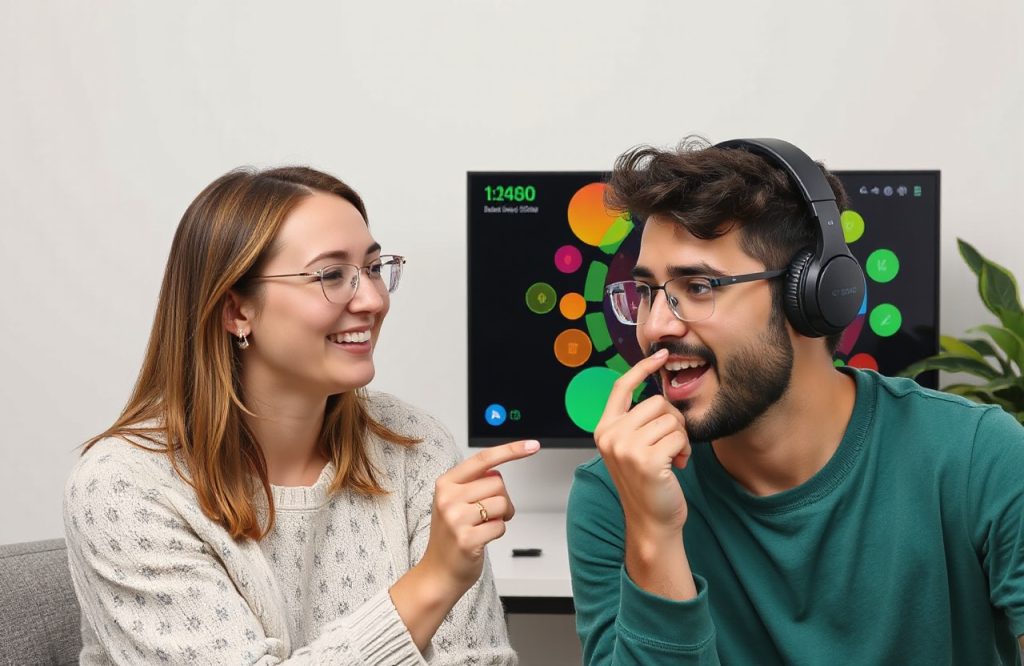
A recent small-scale randomized ‘proof-of-concept’ trial conducted at Boston Children’s Hospital suggests that integrating a video game with biofeedback may enhance existing cognitive-behavioral therapies aimed at improving emotional regulation among youth. The study, titled “A ‘Proof of Concept’ Randomized Control Trial of a Video Game Requiring Emotional Regulation to Augment Anger Control Training” by Ducharme et al., explores this innovative approach.
The RAGE-Control Video Game
The video game used in the trial, RAGE-Control (Regulate and Gain Emotional Control), was developed approximately ten years ago. The game’s primary objective is to destroy asteroids while avoiding friendly spacecraft. Players who maintain a calm and steady heartbeat perform better in the game, as their shooting ability declines when their heart rate increases.
Trial Findings
During the trial, participants were split into two groups: one group received real-time feedback about their heart rate while playing the game, while the other group did not. Those who were aware of their increasing heart rate were able to lower it and subsequently performed better in the game. These preliminary findings indicate potential benefits of using gaming as a tool to enhance emotional regulation in therapy.
Potential Benefits of Game-Based Therapy
Engagement and Skill Development
While further research with a larger sample size is warranted, the initial results highlight the advantages of incorporating games into therapeutic practices. Such approaches may engage individuals who are reluctant to participate in traditional treatment plans and assist youth in developing problem-solving skills crucial for regulating their emotions beyond therapy sessions.
Related Topics of Interest
– Do young people spend too much time playing video games?
– The Negative Impact of Video Games on the Brain and Cognition
– Investigating the link between video games and memory
– Can video games help with cerebral palsy?
– Do video games allow for quicker visually-guided responses?