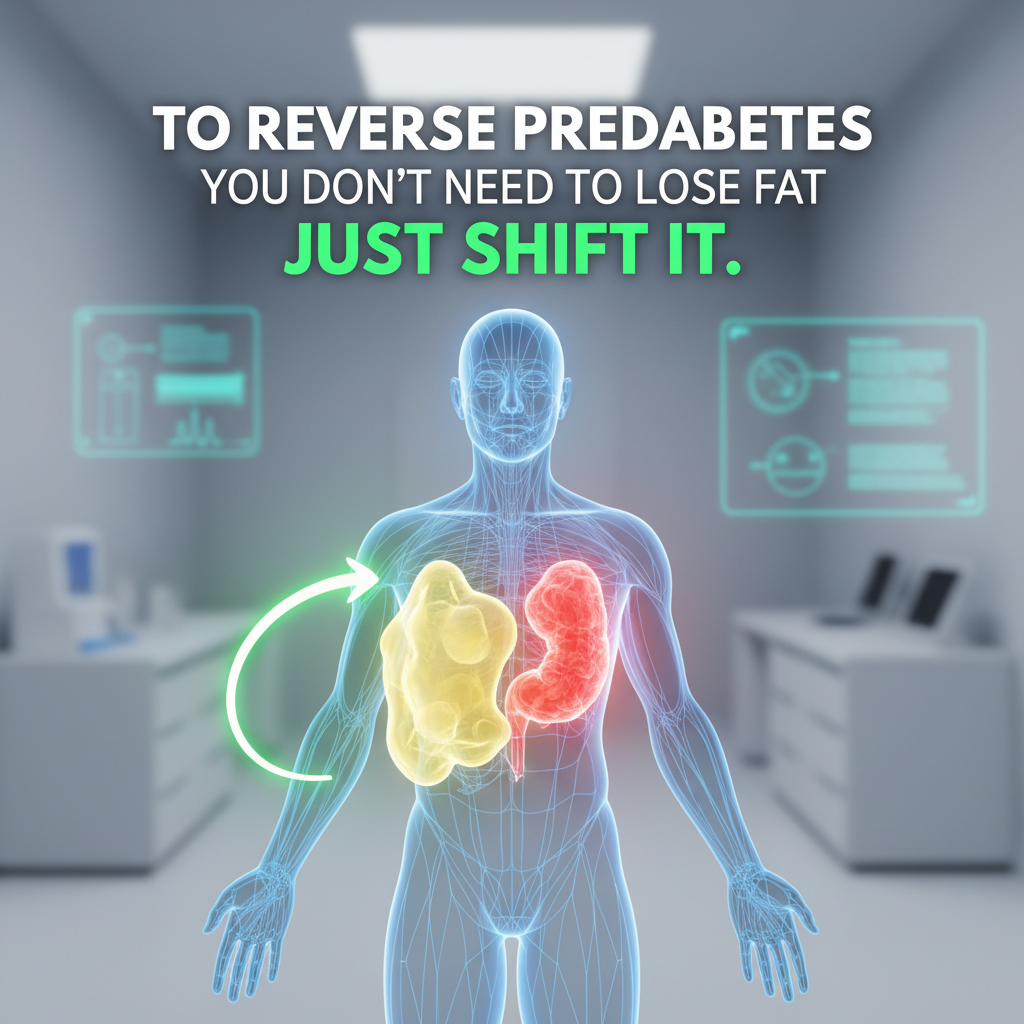
Impact of Fat Storage on Diabetes Risk
Understanding Prediabetes
Research indicates that the location where the body stores fat may influence the risk of developing diabetes. Individuals diagnosed with prediabetes—characterized by elevated blood glucose levels that do not qualify as diabetes—face a significantly heightened risk of progressing to diabetes.
Clinical Guidelines for Prevention
Current clinical recommendations for preventing type 2 diabetes in those with prediabetes highlight the necessity of weight loss through lifestyle changes or medications. A recent study has revealed that lifestyle interventions may normalize glucose regulation even without weight loss, suggesting that reversing prediabetes can effectively lower the future risk of developing type 2 diabetes.
Revising Prevention Strategies
These findings imply that clinical guidelines for diabetes prevention should concentrate not only on achieving weight loss but also on normalizing blood glucose levels.
Statistics on Prediabetes
In the United States, over one in three adults have prediabetes, a condition marked by insufficient blood glucose control that does not meet the threshold for diabetes. Approximately 70% of those with prediabetes will develop diabetes in their lifetime.
Importance of Managing Prediabetes
Effective management of prediabetes is crucial in preventing or delaying the onset of type 2 diabetes and its associated complications, such as cardiovascular diseases, kidney issues, and neuropathy.
New Findings on Glucose Regulation
According to a recent study published in Nature Medicine, reversing prediabetes without weight loss may offer significant protection against developing diabetes. The research highlighted that individuals with prediabetes who achieved healthy glucose regulation, despite not losing weight after a year of lifestyle interventions, exhibited a markedly lower future risk of diabetes compared to those who did not experience either reversal or weight loss.