Why Do I Need a Stent?
Understanding the Role of a Stent
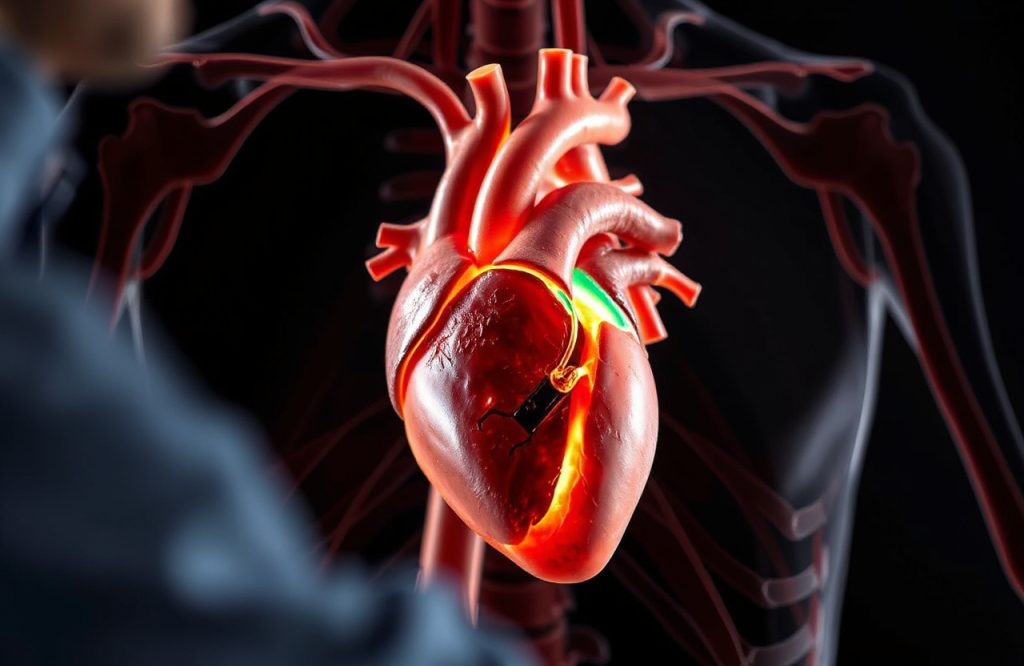
A stent is a wire mesh tube designed to keep arteries open. When fatty deposits accumulate in the coronary arteries, the resulting narrowing can significantly impede blood flow to the heart muscle. This reduction in blood flow may lead to chest pain, known as angina. In severe cases, if a part of the blockage breaks off, it can form a clot, potentially leading to a heart attack by completely or partially obstructing blood flow.
The Angioplasty Procedure
To alleviate narrowing in the artery, your doctor may recommend an angioplasty. This procedure involves inserting a catheter with a balloon tip into the artery, typically through the groin or wrist. The catheter is guided to the site of the narrowing, where the balloon is inflated to widen the vessel. Once the artery is opened, the balloon is deflated, and the catheter is removed.
When a stent is used, it is pre-collapsed over the balloon. As the balloon inflates, the stent expands and acts as a scaffold to keep the artery open. After the procedure, the balloon is withdrawn, leaving the stent in place permanently to maintain the artery’s widened condition.
Why Might My Doctor Say I’m Not Suitable for Stenting?
There are instances where a patient may not be a suitable candidate for stenting. This can occur if the artery is too small, as stenting could potentially damage the artery’s walls. Additionally, if the blockage is located at a bend in the artery, a stent may not be appropriate since it is designed to fit in straight sections.
What Can I Do After a Stent? Am I Cured?
Unfortunately, receiving a stent does not equate to being cured. Heart disease, characterized by the narrowing of arteries, is progressive. It is crucial to adhere to prescribed medications, engage in regular physical activity, reduce dietary fat intake, quit smoking, manage diabetes, and pay attention to your mental health.
Cardiac Rehabilitation
What is Cardiac Rehabilitation?
When people think of rehabilitation, they often envision regaining mobility after an illness or injury. However, cardiac rehabilitation has a different focus. This program assesses your risk factors for heart disease and aids in managing these risks through exercise and lifestyle changes.
Who is This Program Suitable For?
Cardiac rehabilitation is particularly beneficial for individuals who have experienced a heart attack or are considering stenting. It is also suitable for anyone exhibiting risk factors for heart disease.
What Does Cardiac Rehabilitation Involve?
The program begins with a preliminary assessment to identify risk factors. A baseline exercise test is then conducted, which measures your maximum heart rate and calculates your optimal training heart rate for maximum benefit. The test also evaluates your movement efficiency, helping to establish your baseline capabilities to optimize your training program.
Following the assessment, you will enter a training regimen accompanied by education on how to lower your risk factors. Cardiac rehabilitation has been shown to enhance energy levels and physical abilities, as well as improve social and psychological well-being.
Risk Factors for Heart Disease
Key risk factors for heart disease include smoking, high blood pressure, elevated cholesterol levels, physical inactivity, depression, diabetes, being overweight or obese, family history, and age.
Why Bother with Cardiac Rehabilitation?
Engaging in cardiac rehabilitation can reduce the risk of experiencing another cardiac event by one-third and can significantly lower the risk of dying from subsequent cardiac incidents.
To Book a Place
For further information and to secure a place in the cardiac rehabilitation program, please click here.