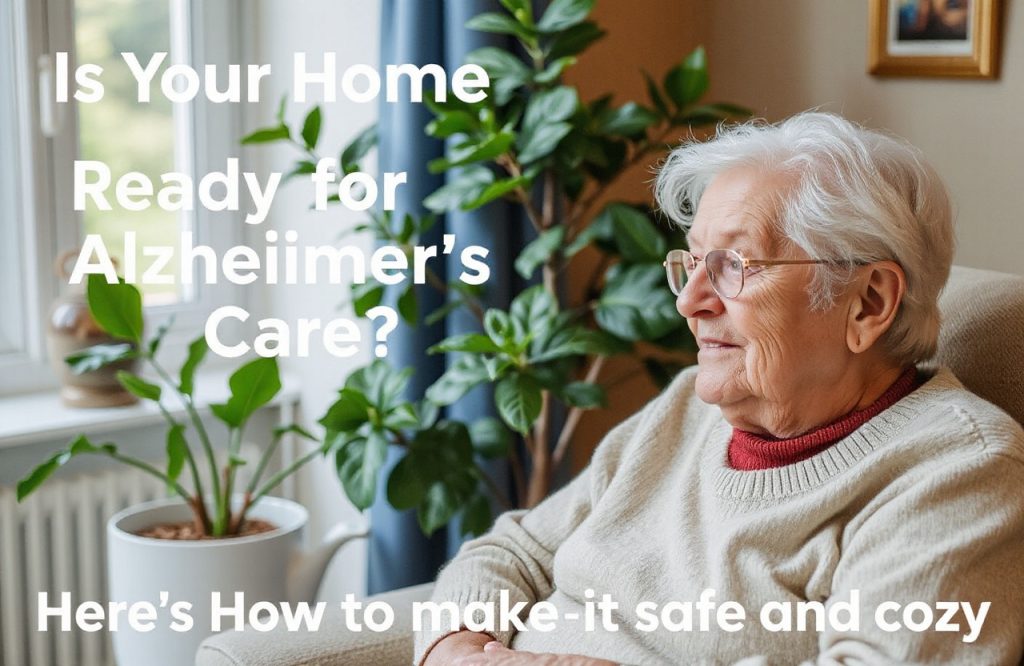
Creating a Safe Haven for Alzheimer’s Patients
Understanding the Challenges
When a loved one is diagnosed with Alzheimer’s, it profoundly affects daily life. Alzheimer’s is a progressive condition, leading to worsening symptoms over time, including memory loss, confusion, and physical limitations. These changes can transform everyday tasks into significant challenges, increasing the risk of accidents such as falls or wandering. To address these issues, it is essential to make thoughtful adjustments to living spaces.
The bathroom, for instance, is often the most dangerous area. Hazards like slippery floors, sharp corners, and hot water can pose serious risks. Installing grab bars, non-slip mats, and shower chairs can mitigate these dangers. In the kitchen, securing sharp objects, hot surfaces, and toxic substances is critical. Locking cabinets and utilizing appliances with automatic shut-off features can help reduce risks.
Creating a Safe Space
Transforming your home to support someone with Alzheimer’s involves both minor and significant changes. Start by decluttering to clear pathways and remove tripping hazards such as loose rugs or electrical cords. Adequate lighting is vital, as poor visibility can lead to falls; consider adding night lights in hallways and bathrooms for safety during late-night trips.
Choose sturdy, easy-to-navigate furniture while avoiding pieces with sharp edges or unstable bases. Utilizing color contrast between floors and walls can create visual boundaries that aid navigation. Streamlining and organizing spaces can also simplify daily activities and reduce confusion.
Awareness about Alzheimer’s can be raised by sharing these practical tips with friends, family, and the community. Knowledge and preparation can significantly enhance the quality of life for both patients and their caregivers.
Technology to the Rescue
Modern technology provides various tools to improve the safety and comfort of Alzheimer’s patients. GPS tracking devices can monitor and locate wandering individuals, offering peace of mind to caregivers. Smart home systems with voice-activated controls enable patients to adjust lighting, lock doors, or call for assistance without the need for complicated devices.
Effective medication management is also crucial. Pill organizers with alarms or automatic dispensers can ensure patients receive the correct dosage at the appropriate time, minimizing the risk of missed or double doses. Video monitoring systems allow caregivers to keep watch over patients from another room or remotely, ensuring safety without constant physical presence.
Voice-activated assistants can serve as reminders for daily tasks, appointments, and medication schedules. These technologies not only enhance safety but also promote a sense of independence and control for patients, which is essential for maintaining dignity and morale.
Choosing the Right Clothing
Selecting suitable clothing for Alzheimer’s patients is essential for their comfort and safety. As motor skills decline, traditional clothing may become challenging to manage. Consider Alzheimer’s-specific clothing items such as slip-resistant shoes, bib scarves, and home gowns. These items are designed for easy wear, reducing frustration for both patients and caregivers.
Slip-resistant shoes can prevent falls, while bib scarves protect clothing from spills, preserving dignity. Home gowns featuring Velcro or snap closures are preferable to buttons or zippers for ease of use. Additionally, adaptive clothing with open-back designs can facilitate dressing and undressing, making it more comfortable for patients.
Pay attention to fabric choices as well. Soft, breathable materials are gentle on sensitive skin and can help regulate body temperature. Labels should be minimal or positioned on the outside to avoid irritation. By focusing on these details, caregivers can significantly improve the daily living experience of an Alzheimer’s patient.
Emotional and Social Support
Creating a safe home environment extends beyond physical changes; emotional and social support is equally critical. Alzheimer’s can lead to feelings of isolation for both patients and their caregivers. Encouraging social interaction and mental stimulation is vital to maintain cognitive function and emotional well-being.
Establishing a routine that incorporates enjoyable activities, such as music, gardening, or simple crafts, can provide comfort and trigger positive memories. Regular social interaction, whether with family, friends, or community groups, can enhance morale and alleviate feelings of isolation.
Support groups for caregivers offer a platform for sharing experiences, advice, and emotional support. Understanding that you are not alone in your journey can be incredibly reassuring. Professional counseling may also be beneficial in managing the emotional challenges that Alzheimer’s presents for both patients and caregivers.
Accompanying Them on Their Journey
Transforming your home into a safe haven for someone with Alzheimer’s requires careful planning and ongoing adjustments. Remember, the journey with Alzheimer’s is shared, and raising awareness while seeking support can make a significant difference. By prioritizing both physical safety and emotional well-being, you can create a loving and secure environment for your loved one.
The editorial staff of Medical News Bulletin had no role in the preparation of this post. The views and opinions expressed in this post are those of the advertiser and do not reflect those of Medical News Bulletin. Medical News Bulletin does not accept liability for any loss or damages caused by the use of any products or services, nor do we endorse any products, services, or links in our Sponsored Articles.