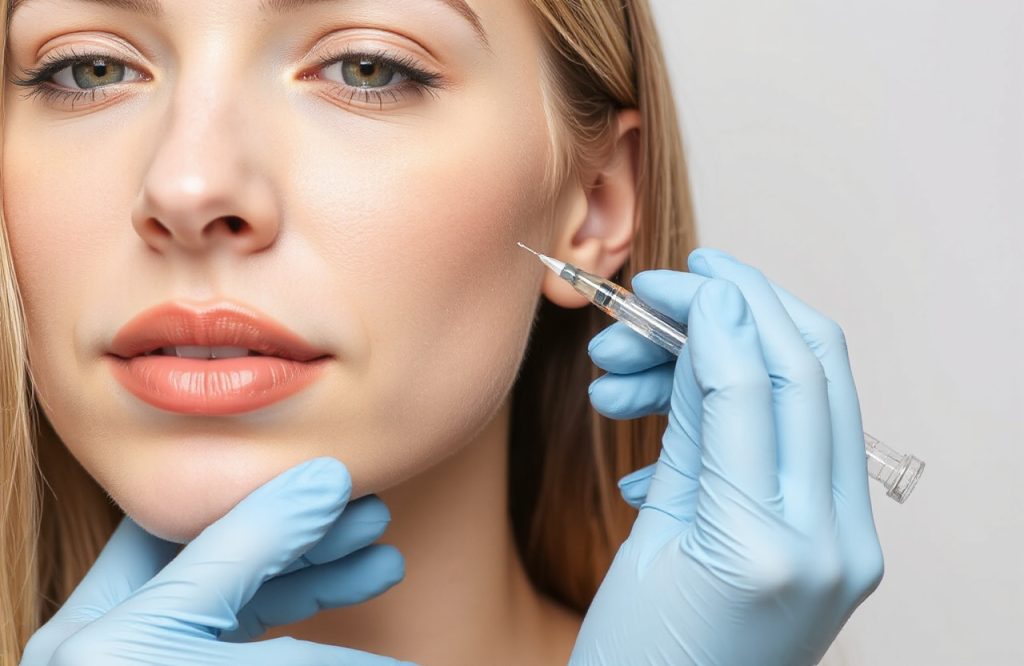
Study on Dermal Fillers for Acne Vulgaris
Overview of Acne Vulgaris
A recent study highlights the widespread issue of acne vulgaris, particularly focusing on the various types of fillers used for treatment. Acne vulgaris is a prevalent skin condition that primarily affects the face, back, and neck, impacting around 80% of adolescents. A significant concern for these individuals is the potential for scarring. Acne is categorized into two main types: hypertrophic and atrophic, with atrophic acne being more common. Atrophic acne further subdivides into ice-pick, boxcar, and rolling scars.
Dermal Fillers in Acne Scar Treatment
The study, published by the British Association of Dermatologists, reviews the effectiveness of temporary, semi-permanent, and permanent dermal fillers as treatments for acne scars. A selection of dermal fillers was analyzed based on previous research findings. The only temporary filler mentioned in the study is hyaluronic acid.
Semi-permanent fillers include:
– Poly-L-lactic acid (Sculptra)
– Calcium hydroxylapatite (Radiesse)
The review also considers several permanent fillers, such as:
– Bellafill (polymethylmethacrylate)
– Bio-Alcamid (polyalkylimide)
– Aquamid (polyacrylamide)
– Silicone
For each type of filler, the study organized findings into categories based on their objectives and outcomes.
Regulatory Approval and Future Considerations
Notably, only one filler, Bellafill (PMMA), has received FDA approval following a randomized controlled trial. The study also suggests that the future application of topically administered fillers may involve laser assistance.
Conclusions on Dermal Fillers for Acne Scars
The article concludes that despite the common use of dermal fillers for tissue augmentation, they are underutilized in treating acne scars. The FDA-approved filler Bellafill demonstrated promising results in a clinical trial, indicating that dermal fillers can effectively treat rolling and boxcar atrophic acne scars, although they are less effective for ice-pick scars. The findings suggest that the efficacy of these treatments may correlate with their duration of action.
Dermatologists are encouraged to consider dermal fillers as viable treatment options for acne scars. While the article does not introduce new research, it compellingly compiles existing data to advocate for the use of dermal fillers in treating atrophic acne scars. Given the increasing focus on skincare treatments, dermatologists may find dermal fillers beneficial for a variety of skin types and conditions, thus enhancing patient care.
Future Research and Considerations
Further research into specific dermal fillers could lead to additional FDA approvals, broadening treatment options within this emerging area of the pharmaceutical industry.
Disclaimer
The article includes sponsored links to external sites for convenience and informational purposes only. The editorial team of the Medical News Bulletin did not participate in creating the content of these linked sites and does not take responsibility for their accuracy or content. The views expressed in the sponsored links reflect those of the advertisers and not necessarily those of the Medical News Bulletin. The Medical News Bulletin disclaims liability for any loss or damages incurred from the use of products or services mentioned in the sponsored links.