The EHR Problem We All Know Too Well
The Dual Role of EHR
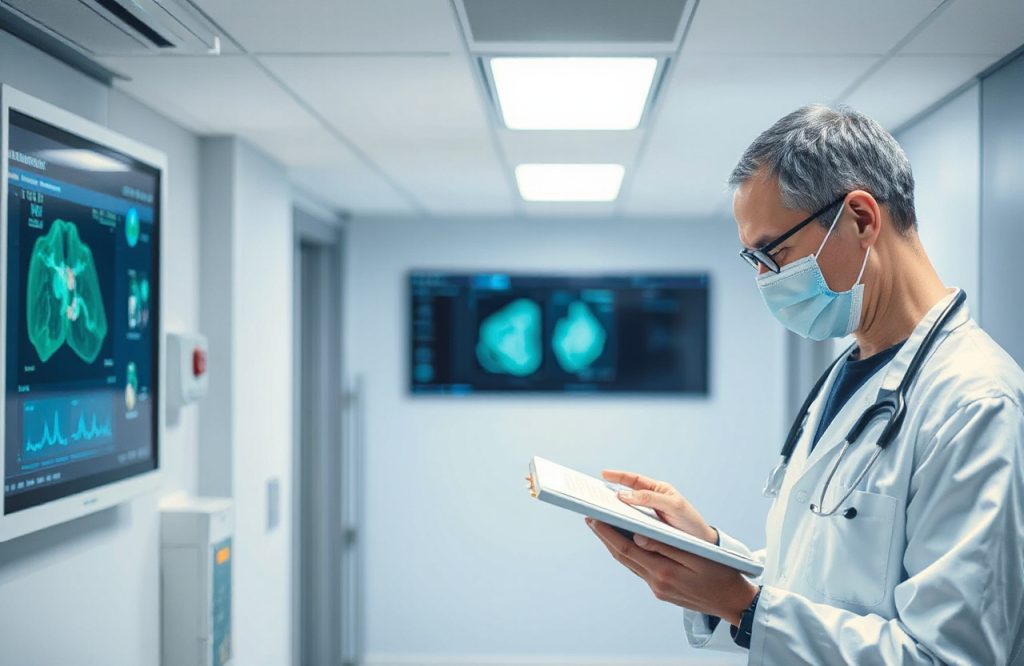
In clinical settings, the Electronic Health Record (EHR) functions as both the nervous system and a bottleneck for healthcare providers. It manages essential tasks such as billing, compliance, and continuity of care, yet often consumes valuable time. This is where Ambient AI and AI medical scribes transition from being mere “cool demos” to providing real relief. The primary advantage is not just improved dictation; it lies in the technology’s ability to discreetly capture patient visits, organize data, and generate clear notes and claims without interrupting patient interactions.
Assessing the Impact
To understand the effectiveness of these solutions, it is crucial to identify what to look for and how to evaluate whether they truly save time.
The Old Pain (Still) Hurts
The Shift to Digital
The transition from handwritten charts to digital records has not alleviated the burden on clinicians. Instead, it has required them to become proficient in data entry, leading to late notes, coding errors, and delayed revenue. Each omission can result in rework, denied claims, or audits, revealing a systemic leakage of time and finances.
Ambient AI, Plain and Simple
Background Functionality
“Ambient” technology operates by listening and understanding conversations in the background. Utilizing speech recognition and domain-specific natural language processing (NLP), it can effectively create a SOAP-aligned note without the need for manual data entry, thereby enhancing clinical efficiency.
The Ideal Workflow
1. Clinicians speak naturally.
2. The system captures vital context (history of present illness, examination details, assessment, and plan).
3. A structured note is generated in the EHR, ready for review—no complex maneuvers required.
When functioning optimally, this technology allows providers to complete their tasks more efficiently.
AI Medical Scribes: Beyond Dictation
Specialized Assistance
AI scribes serve as specialized assistants that convert conversations into well-structured notes. Instead of a “wall of text,” they focus on delivering relevant details in appropriate sections.
Key Differentiators
– **Contextual Understanding**: Captures pertinent information, including relevant positives and negatives, timelines, and specifics.
– **Flexible Output**: Provides narrative details when necessary and structured fields for discrete data.
– **Scalability**: Operates seamlessly across multiple clinics without the need for extensive recruitment.
While human scribes remain valuable in unique cases, AI outputs are generally faster, more accurate, and consistent, particularly when integrated within the EHR.
Integration Matters More Than the Demo
Emphasizing Real-World Application
A polished summary in a standalone application may be impressive, but the true value of an AI medical scribe lies in its integration with your EHR. This integration enhances downstream workflows such as coding, billing adjustments, and quality measures, contributing to return on investment.
Key Questions to Consider
– How does the output correspond to specific fields?
– What does the audit trail entail?
– Where do coding suggestions come from?
– What is the click process for finalizing notes?
The Overlooked Link: Enrollment & Credentialing
The Importance of Credentialing
Provider enrollment and credentialing services verify the qualifications and backgrounds of healthcare providers before they can participate in insurance networks and healthcare programs. This process is documentation-intensive, and more consistent clinical notes simplify the creation of verifiable packets, thereby streamlining onboarding timelines. Ambient AI indirectly contributes by standardizing records of care.
What Actually Improves
Key Benefits
– **Time Savings**: Reduces clicks and minimizes late-night charting.
– **Accuracy**: Enhances specificity and completeness, supporting medical necessity.
– **Compliance**: Ensures notes accurately reflect patient encounters with a reliable audit trail.
– **Cost Reduction**: Lowers administrative costs through fewer denials and reduced coding rework.
– **Clinician Experience**: Facilitates better patient interactions with less time spent on documentation.
– **Faster Reimbursement**: Clean documentation leads to timely claims processing.
Structured data from the outset also results in improved onboarding and analytics.
Seven Questions to Ask Before You Buy
1. **Audio Resilience**: Can the system manage accents, background noise, and interruptions?
2. **Editing Flow**: Is the editing process user-friendly, or does it complicate the workflow?
3. **Privacy Posture**: What are the storage protocols for audio, and who has access?
4. **EHR Fit**: How does the EHR integrate discrete fields versus pasted text for reporting?
5. **Coding Handoff**: Are coding suggestions transparent and easily adjustable?
6. **Governance**: Is there a solid audit trail from capture to final note?
7. **Clinician Control**: Can providers easily switch between narrative and structured formats?
If a vendor can demonstrate these capabilities within your environment, you’ve moved beyond marketing.
A Concrete Take: CureMD’s Approach
Innovative Integration
CureMD’s AI Medical Scribe is designed to function seamlessly within the EHR during patient visits. Its real-time ambient capture generates SOAP-aligned notes without additional clicks. The system supports both structured and narrative modes, allowing providers to choose the appropriate format for reporting.
Enhanced Features
The coding assistant utilizes the scribe’s output to suggest accurate codes, minimizing denials without relying on “auto-coding.” Security measures ensure that protected health information (PHI) remains within the CureMD ecosystem, while specialty-aware templates cater to various medical fields. The system is scalable for both solo practices and larger groups, aiding in predictable credentialing documentation.
How to Measure Success (Without Drowning in KPIs)
Essential Metrics
Before and after implementation, track a focused set of metrics, including:
– After-hours EHR time per clinician
– Percentage of notes completed on the same day
– Time from patient encounter to claim submission
– First-pass acceptance and denial rates
– Trends in coding accuracy
– Frequent clinician satisfaction surveys
Additionally, monitor cultural indicators such as whether clinicians are leaving on time, if fewer staff are staying late for documentation corrections, and whether patient interactions feel more conversational.
Where This Is Headed
The Future of Ambient AI
Ambient AI is evolving from a simple “note taker” to a context-aware collaborator, featuring capabilities such as:
– Gentle prompts for missing information
– Smart order suggestions based on provider patterns
– Personalized decision support that adapts over time
– Multimodal data capture to automatically populate structured fields
As governance improves, organizations will be able to demonstrate accuracy and safety. Trust will play a critical role in determining which solutions succeed, characterized by transparent suggestions, quick corrections, and predictable outcomes.
Bottom Line
Ambient AI and AI scribes have shifted from experimental technology to practical solutions that can reclaim time for clinicians, enhance documentation accuracy, and expedite revenue. To realize these benefits, it is essential that these solutions are integrated within your EHR, aligned with coding processes, and easy to use even in busy environments. Vendors must commit to helping clinicians finish their work efficiently while maintaining accuracy. Teams that successfully deliver on this promise, including CureMD, are not only improving documentation but also transforming the clinic environment to ensure the EHR supports patient care.
In the near future, ambient capture will be as essential and unobtrusive as electricity. Organizations that embrace this technology thoughtfully, with appropriate safeguards and metrics, stand to gain significantly in efficiency, reimbursement, and patient experience. This is not just speculative; it is the reality when technology learns to listen, allowing healthcare professionals to refocus on patient care.