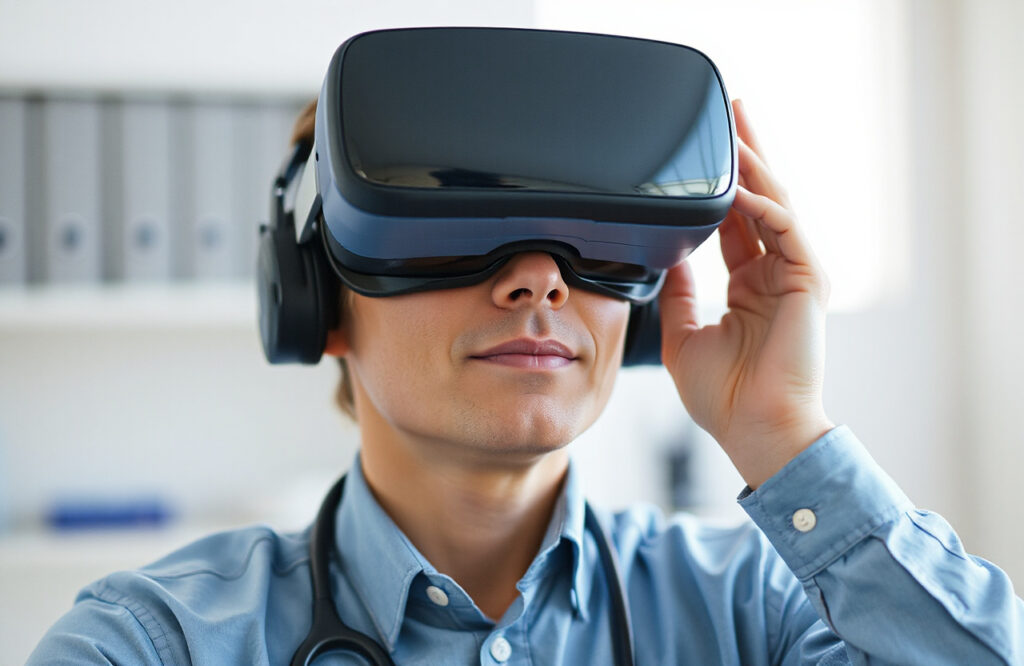
Virtual Reality in Healthcare: Transforming Patient Care
Introduction to Virtual Reality in Healthcare
Virtual reality (VR) is reshaping the digital landscape, initially anticipated to revolutionize gaming. However, its applications have expanded into critical sectors such as healthcare. Physicians are increasingly leveraging various technologies to enhance medical services for patients, ranging from remote consultations to medical billing and MIPS submission methods. VR introduces a new dimension to healthcare, facilitating better disease analysis and pain management.
The Reliability of VR Technology
Extensive research and trials have confirmed VR’s reliability in healthcare. This technology has transitioned from experimental phases to practical applications, significantly impacting patient care. For instance, Cedars Sinai, a non-profit healthcare organization in Los Angeles, successfully operates a clinical VR program that benefits over 3,000 patients. While the advantages of VR are substantial, challenges in full implementation remain.
Applications of Virtual Reality in Healthcare
Enhancing the Healing Process
Healthcare professionals recognize that VR can create a unique environment conducive to the healing process. By immersing patients in interactive experiences, VR helps reduce stress and pain while equipping them with skills for improved daily living. The primary aim of VR is not to fabricate a fantasy but to empower patients with coping strategies for real-world challenges.
Key Functions of VR in Healthcare
Currently, VR operates in three primary sectors:
Stimulating Relaxation and Calmness
VR can evoke relaxation similar to cognitive behavioral therapies, providing solace to patients dealing with trauma, depression, or phobias. This therapeutic approach aids them in reintegrating into their daily lives.
Relieving Pain
Research has demonstrated the effectiveness of VR techniques in managing various types of pain, including abdominal and back pain. One notable application, Pain RelieVR, has shown a remarkable 24% reduction in pain levels within ten minutes of use. Additionally, VR can teach patients coping strategies to foster positive behavioral changes.
Sharpening Memory
For patients experiencing dementia or memory loss, VR serves as a valuable tool that enhances memory through therapeutic exercises. It also assists in helping individuals distinguish reality from hallucinations and can aid in managing cravings, such as in weight management.
The Impact of VR on Medical Practices
Training and Implementation Challenges
To fully harness VR’s potential, medical professionals and institutions require specialized training to integrate this technology into clinical practice. Beyond its applications in specific healthcare sectors, VR has the capacity to support a wide array of healthcare functions.
Benefits for Patients and Physicians
The integration of VR into medical practice not only benefits patients but also enhances the overall quality of healthcare. This improvement can lead to increased financial rewards for physicians, particularly through incentive programs like MIPS.
Addressing Practical Challenges
Despite its numerous advantages, challenges such as equipment setup and patient comfort with headsets persist. However, with strategic planning and investment, these issues can be mitigated. As VR technology evolves, it is likely that advancements will lead to more comfortable and effective solutions within healthcare.
Stay Updated on Healthcare Innovations
For the latest updates and developments in healthcare, visit P3 Healthcare Solutions.