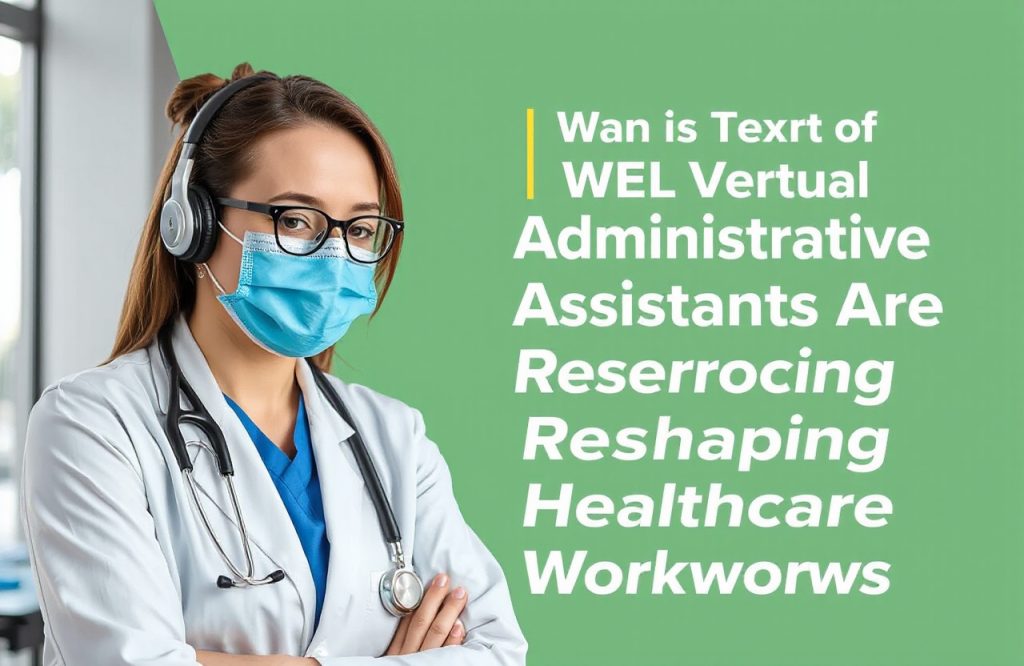
The Evolving Landscape of Healthcare Administration
The Rise of Virtual Administrative Support
The contemporary healthcare environment is undergoing significant transformations, including the growing adoption of distant administrative support. Traditionally, practices that operated solely in-office are now recognizing how a virtual administrative medical assistant can enhance efficiency, alleviate administrative burdens, and improve the overall patient experience. As healthcare providers seek sustainable methods to reduce operational costs without sacrificing care quality, virtual administrative roles are emerging as valuable assets for both clinical staff and patients.
The Growing Need for Smarter Healthcare Operations
Healthcare providers are facing escalating demands due to increased patient volumes, complex insurance procedures, and stringent documentation requirements. These challenges elevate the need for effective administrative assistance, particularly in fast-paced environments that require reliable workflow management. The shift towards virtual solutions is enabling organizations to relieve pressure on in-office teams, allowing them to concentrate more on patient care. This trend reflects the broader digital transformation within the healthcare sector, which has become essential for long-term operational sustainability.
Patients now expect timely and convenient communication regarding their health records. This expectation can be met by hiring virtual administrative professionals who manage regular services and ensure that administrative tasks are executed efficiently behind the scenes. As healthcare systems modernize, these functions are becoming crucial for delivering a patient-centered experience.
Reducing Administrative Burden for Healthcare Teams
One of the primary advantages of virtual administrative assistance is the significant reduction of workload on clinical staff. In addition to relieving stress, virtual assistants contribute measurable operational improvements. Practices benefit from enhanced predictability through quicker response times, fewer scheduling errors, and more accurate documentation. Such predictability leads to increased patient satisfaction and improved clinic flow, which are vital for maintaining a competitive and reputable medical practice.
Enhancing Patient Experience Through Responsive Support
Patient trust and satisfaction are foundational elements of a successful healthcare organization. A virtual administrative medical assistant plays a critical role in reinforcing these elements, empowering patients by ensuring they feel heard and guided throughout their care journey. Efficient administration minimizes wasted time and obstacles in accessing care, leading to smoother interactions, improved communication, and a more favorable perception of the practice.
Additionally, virtual administrative professionals often work outside traditional hours, facilitating late or extended communication with patients. This flexibility ensures timely responses to messages, rescheduling requests, and follow-up inquiries, which is especially crucial in high-demand practices. The assurance of timely contact with their healthcare provider significantly contributes to patients’ overall comfort and trust.
Supporting Digital Transformation in Medical Practices
Healthcare is experiencing a substantial digital transformation, and virtual administrative roles are well-positioned to support this evolution. The integration of cloud-based management tools, telehealth platforms, and secure communication systems is being widely adopted. A skilled virtual medical administrative assistant is adept at utilizing these digital tools, ensuring a seamless workflow in both physical and virtual environments. This adaptive operational structure relies on a strong level of digital literacy.
Virtual administrative assistants should be integral to the modern healthcare landscape due to their capability to interact with electronic health records, telemedicine systems, and automated communication platforms. They possess the expertise to ensure that technology complements practice operations without complicating them. By facilitating process streamlining, they contribute to both digital transitions and daily operations, enhancing efficiency and patient outcomes.
Improving Accuracy and Compliance in Healthcare Administration
Healthcare administration requires unwavering accuracy, and virtual assistants excel in delivering precise results for detail-oriented tasks. Accurate scheduling, insurance processing, and patient data entry are essential, and these responsibilities are effectively managed by dedicated professionals, minimizing the potential for errors. This reliability helps practices adhere to regulatory standards and avoid costly mistakes.
Moreover, virtual assistants help maintain consistency in documentation and communication processes. Their organized workflow automation ensures that tasks such as follow-ups, appointment scheduling, and patient record management are never overlooked. This administrative stability enhances the overall integrity of the practice, fostering trust between patients and staff alike.
Conclusion
The role of virtual administrative professionals is increasingly vital as the healthcare sector evolves. An administrative medical assistant offers a practical solution for healthcare practices aiming to reduce administrative burdens, enhance the patient experience, and facilitate digital transformation. This innovative approach to workflow management enables medical providers to operate more effectively, delivering care that is compassionate, responsive, and reliable. The future of healthcare administration is promising, and practices that embrace virtual support are more likely to thrive in the long run.