Revolutionizing Medical Education Through Technology
Introduction to Modern Medical Training
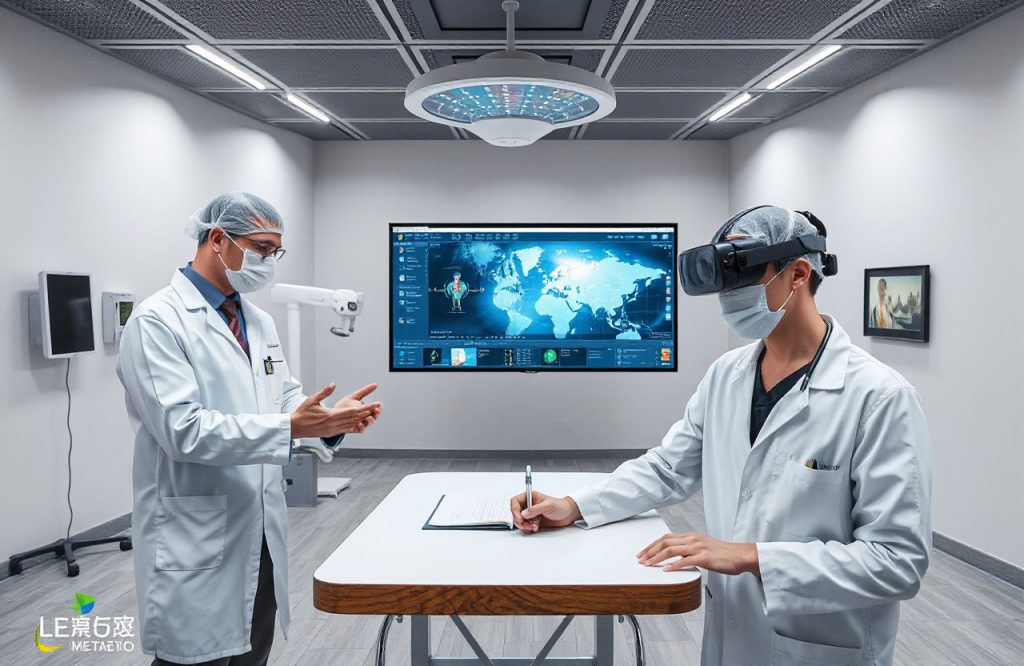
Imagine entering a medical classroom where students refine their surgical skills without ever needing to touch a patient, or where future nurses rehearse emergency protocols in a completely safe environment. This scenario is not a figment of imagination; it is the current state of modern medical education. With the advent of virtual reality and digital tools, the landscape of how healthcare professionals acquire their skills is undergoing a significant transformation.
Advancements in Medical Education
The realm of medical education has seen remarkable advancements in recent times. The reliance on textbooks and sporadic hands-on practice has diminished. Medical schools across the globe are now incorporating virtual reality and digital platforms to offer immersive educational experiences. This integration marks a pivotal shift in the training of healthcare professionals.
Transformative Impact of Virtual Reality Training
Creating a Safe Learning Environment
Virtual reality provides a risk-free setting for medical students to practice. It acts as an endless resource for honing skills, allowing students to engage in repetitive practice without the fear of making real-life mistakes. For those pursuing nurse practitioner post-graduate certificates, VR training allows them to master complex procedures, enhancing retention and practical skill development significantly compared to traditional educational methods.
Expanding the Scope of Training
The adaptability of VR extends beyond mere procedural training. Advanced simulations now include rare medical conditions and emergency scenarios that students may only face once during their careers. These virtual experiences can be tailored to introduce varying levels of complexity, enabling learners to progressively advance from basic competencies to managing the most demanding cases. This structured approach is particularly beneficial in specialized fields like emergency medicine and surgical training, where timely decisions can significantly impact patient outcomes.
Digital Platforms Enhancing Learning Accessibility
Breaking Barriers in Medical Education
Gone are the days when aspiring medical professionals needed to be physically present at elite institutions for top-notch education. The rise of advanced digital learning platforms is dismantling these barriers. These virtual classrooms not only deliver educational content but also foster interactive environments where students can connect, collaborate, and receive immediate feedback.
Global Collaboration and Diverse Perspectives
The democratization of medical education through digital platforms has paved the way for unprecedented global collaboration. Students from various continents can now engage in joint learning sessions, enriching their educational experience through diverse perspectives and approaches to healthcare. Furthermore, the incorporation of advanced analytics allows educators to gain valuable insights into student performance, facilitating more effective identification and remediation of learning gaps.
Measuring Success Through Outcomes
Improved Student Performance
The efficacy of technology-enhanced medical education is evident in the improved performance of students. Those trained using innovative methods consistently exhibit better clinical reasoning and greater confidence in real-world scenarios. This approach not only streamlines training but also ensures that competency standards are upheld or even elevated.
Quantifiable Benefits of Technology in Education
Research indicates that students utilizing technology-enhanced training methods acquire skills up to 40% more quickly than those taught through traditional means. This accelerated learning does not compromise quality; in fact, error rates in practical assessments have notably decreased among students trained with these modern techniques. Additionally, data shows enhanced long-term retention of complex procedures, with superior performance in follow-up assessments months after initial training. These measurable advancements underscore the significant investments that medical institutions are making in educational technology.
Looking Ahead: The Future of Medical Training
Emerging Technologies in Medical Education
The future of medical education technology is poised for even more groundbreaking developments. Innovations such as augmented reality systems that enable visualization of internal anatomy, AI-driven personalized feedback, and haptic devices designed to replicate the physical sensations of medical procedures are on the rise. Mixed reality solutions are quickly becoming standard in medical schools, fundamentally transforming the learning process for future healthcare professionals.
Integrating Traditional and Modern Methods
As these technologies evolve, they are creating a harmonious blend of traditional teaching approaches and cutting-edge innovation. This hybrid model is essential in cultivating healthcare professionals who are exceptionally well-prepared for practical application in their fields.
Embracing a New Era in Healthcare Education
Enhancing Traditional Methods
The goal is not to completely replace traditional training methods but to enhance them, creating the most comprehensive and effective educational experiences possible. This ultimately leads to improved care for patients when it matters most.
The Impact of Technological Integration
The incorporation of virtual reality and digital advancements in medical education signifies more than just a technological upgrade; it represents a fundamental shift in how we train healthcare professionals. These tools open up unprecedented avenues for practice, learning, and skill development within a secure, controlled setting.
The Future of Medical Education
As technology continues to advance, medical education will become increasingly sophisticated, interactive, and effective, ensuring that future healthcare providers receive the best training and experience available.
Disclaimer
The editorial staff of Medical News Bulletin did not participate in the creation of this article. The opinions expressed are those of the advertiser and do not reflect the views of Medical News Bulletin. The publication does not accept liability for any loss or damages resulting from the use of any products or services mentioned, nor does it endorse any products, services, or links found in sponsored articles.