Increase in Solid Organ Donations in the United States
Growth in Donations from 2000 to 2016
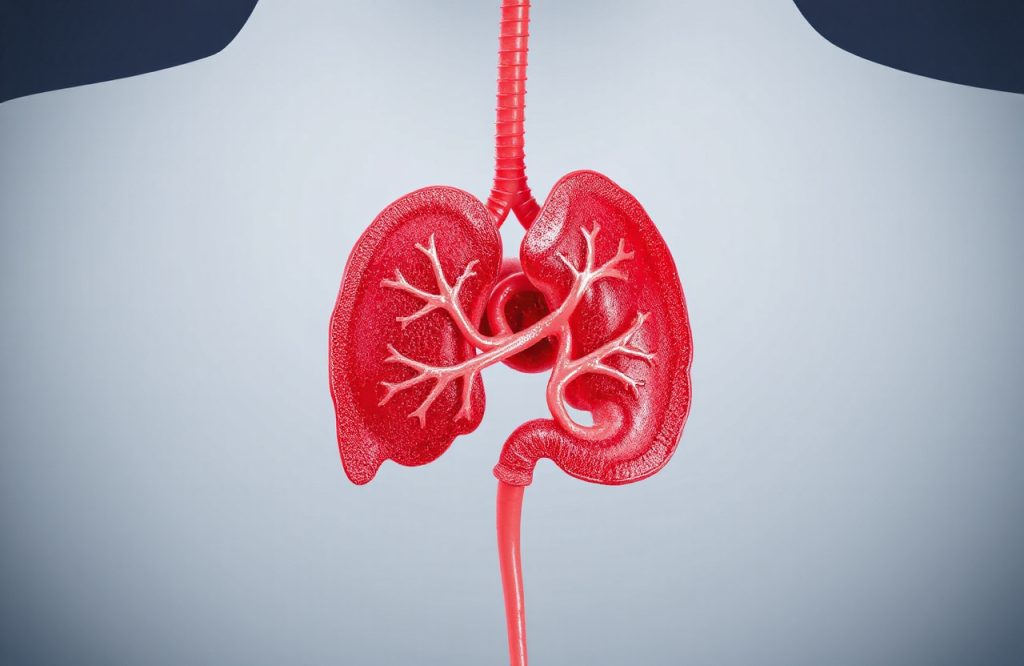
Solid organ donations in the United States have seen a significant rise, particularly from 2000 to 2016. During this period, a total of 103,805 solid organs were recovered from adult brain-dead donors. In comparison, Europe reported 27,661 donated organs during the same timeframe. While the U.S. has experienced an increase of over 2,000 organs in the last decade, the number of transplants in Europe has remained relatively stable.
Statistical Overview of Organ Donations
In 2016 alone, over 7,000 organs were donated in the United States, a notable increase from under 5,000 in 2000. This upward trend prompted Dr. Mandeep Mehra and his colleagues at Brigham and Women’s Hospital in Boston, Massachusetts, to explore the sources of these solid organs.
Unexpected Sources of Organ Donations
Research Findings on Donor Origins
The team’s investigation revealed a surprising trend: a significant number of organ donors were drug abuse victims. Their findings were published in the New England Journal of Medicine. From 2000 to 2016, the proportion of organs collected from donors who died from drug intoxication rose by 12.5%, increasing from 59 to 1,029. This shift accounted for a substantial portion of the rise in organ transplantation activity in the United States.
Comparison with Europe
In contrast, both the number of organs donated by drug abuse victims and the overall number of organ transplants in Europe has remained relatively constant.
Safety and Survival Rates of Donated Organs
Patient Survival Analysis
To determine the safety of organs donated by drug abuse victims, American researchers assessed patient survival rates one year post-heart or lung transplant. After accounting for the health of both donors and recipients, the study found no significant difference in survival rates based on the origin of the organs.
Conclusions on Organ Quality
The research indicated that organs from drug-abuse victims had similar patient survival rates as those obtained from donors who died from other causes, such as asphyxiation, stroke, or blunt-head injuries.
Reference
Mehra, M.R. et al. (2018). The drug-intoxication epidemic and solid-organ transplantation. New England Journal of Medicine, 378(20).