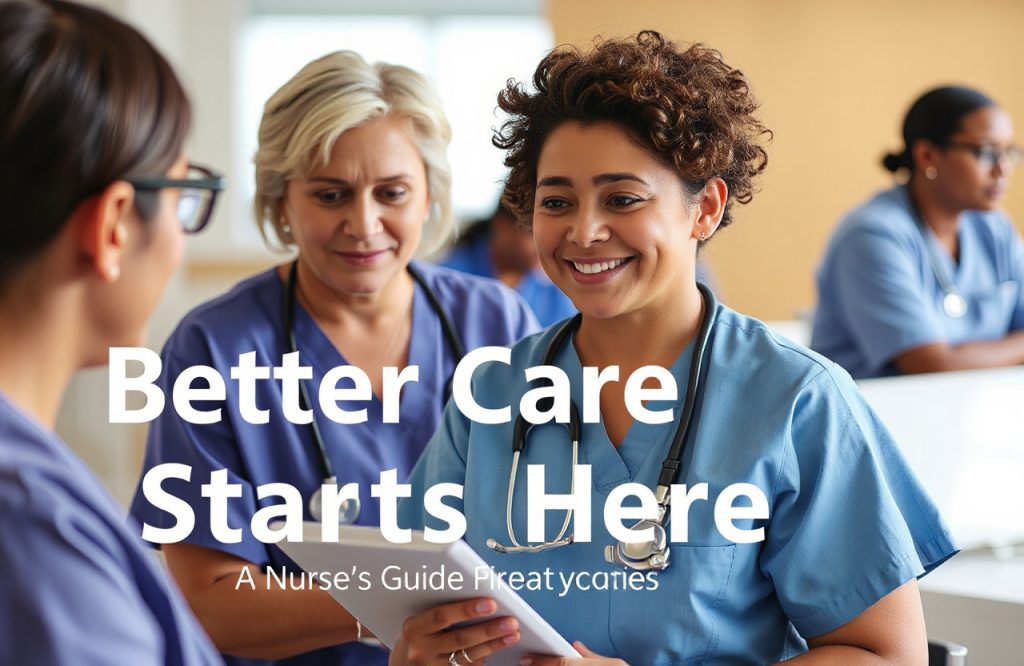
Creating Better Outcomes in Healthcare
The Role of Nurses in Patient Care
Achieving improved outcomes in healthcare is not merely a matter of luck; it results from intentional and thoughtful care delivered daily by nurses. These professionals bring not only skill and compassion but also a strong desire to grow in their roles. Regardless of whether you are new to the nursing field or have years of experience, the fundamental message remains: how you present yourself in your role is crucial.
Nursing Beyond Traditional Responsibilities
Today’s nursing profession transcends basic tasks such as bandaging wounds or conducting bedside checks. It encompasses teaching patients on an individual basis and translating complex medical information with empathy. During hectic shifts, nurses often serve as the cohesive force that keeps everything together.
Navigating a Complex Healthcare Environment
Healthcare continues to evolve, becoming more complex each year. With the constant introduction of new systems, updated tools, and shifting expectations, the potential for making a significant impact on patient care remains robust and may have even expanded.
Strategies for Achieving Better Patient Outcomes
Commit to Lifelong Learning
It can be tempting to feel content after passing your licensing exams; however, clinical knowledge is continually evolving. Practices that were effective five years ago may no longer be relevant, making it essential to stay informed to provide high-quality care.
Importance of Continuing Education
Continuing education is vital for several reasons:
– Expands your scope of practice
– Enhances decision-making in complex situations
– Establishes you as a reliable resource within your team
– Opens pathways to leadership roles
For instance, the fully online acute care NP program at Youngstown State University is designed for working registered nurses who wish to advance their careers without interrupting their current employment. This rigorous program is highly applicable to the real-world challenges of managing high-acuity patients.
See the Person, Not Just the Patient
While it may seem basic, recognizing patients as individuals rather than mere room numbers is crucial, particularly when managing several patients at once. When patients feel valued, they tend to trust their caregivers more and experience faster recovery times.
Ways to Make Patients Feel Valued
– Establish eye contact, even briefly
– Use their names instead of generic terms
– Explain procedures in straightforward language
– Encourage open-ended questions that promote dialogue
– Allow time for patient responses
These seemingly small interactions build the trust that is essential for positive patient outcomes.
Enhance Communication Skills
Ineffective communication is a leading cause of errors in healthcare settings. Misunderstandings regarding discharge instructions or incomplete handoffs can result in significant delays and adverse outcomes.
Improving Clinical Communication
To enhance communication in clinical settings, consider the following strategies:
– Deliver structured handoffs that are clear and succinct
– Speak slowly and clarify medications using simple language
– Document thoroughly, focusing on relevant details
– Request clarification whenever necessary
– Maintain composure during challenging discussions
Effective communication fosters safer and more efficient care, benefiting both patients and healthcare providers.
Utilize Technology Effectively
While navigating technology can be challenging, when utilized correctly, digital tools can enhance efficiency, safety, and the personalization of care.
Smart Technology Usage in Nursing
Consider implementing the following tech strategies:
– Accurately and swiftly chart patient information using Electronic Health Records (EHRs)
– Use remote monitoring tools for timely vital sign alerts
– Conduct telehealth follow-ups when suitable
– Set reminders and notifications for medication administration
– Access patient histories in real time
Always aim to leverage technology where it adds genuine value to patient care, rather than using it for its own sake.
Advocate for Patients and Yourself
Advocacy does not always require confrontation; sometimes, it involves asking questions or expressing concerns before issues escalate. Advocacy is a critical aspect of safe nursing, and patients depend on it more than one might think.
Key Advocacy Situations
Advocacy is essential in circumstances such as:
– When a patient’s orders do not align with their symptoms
– When equipment is malfunctioning or unavailable
– When staffing levels are inadequate for safe patient care
– When you notice bias in treatment plans
Knowing how to effectively advocate can significantly influence outcomes.
Addressing Burnout
Burnout is more than just fatigue; it can develop gradually, often going unnoticed until it becomes severe. It impacts attention, mood, and the ability to provide compassionate care.
Burnout Prevention Strategies
To combat burnout, consider these practices:
– Take brief breaks, even when inconvenient
– Set limits on additional shifts and learn to say no
– Prioritize sleep and hydration
– Engage in daily mindfulness exercises
– Speak with someone when feeling overwhelmed
Your well-being is crucial, and a well-rested nurse is more effective in their role.
Conclusion
Mistakes are an inevitable part of any profession, including nursing. However, the commitment to approach each day with curiosity and care outweighs the importance of perfection. If you ever question your impact, remember this: you are making a difference. Your readiness to care is what truly counts.
Disclaimer
The editorial team of Medical News Bulletin did not participate in the creation of this content. The views expressed in this article belong solely to the advertiser and do not reflect those of Medical News Bulletin. The publication does not assume any liability for losses or damages resulting from the use of any products or services mentioned, nor does it endorse any specific products, services, or links in its sponsored articles.