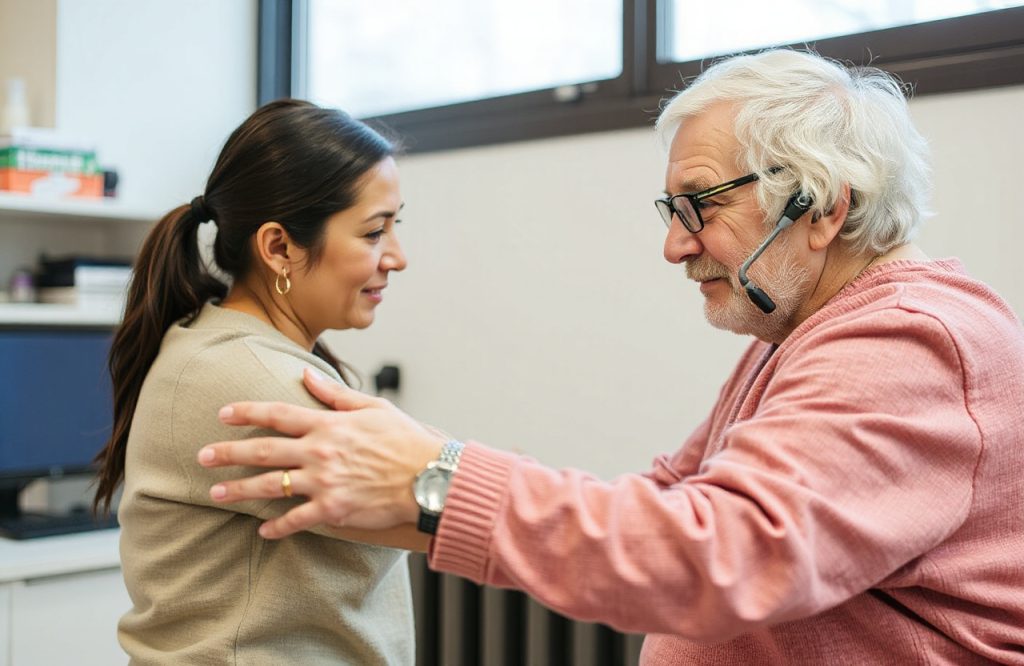
Transforming Aging with Assistive Technologies
Redefining Later Life
When considering aging, many individuals unconsciously link it to decline, including diminished mobility, sensory losses, and greater dependence on caregivers. However, a new wave of assistive technology is redefining what later life can entail.
Empowering Seniors through Technology
From smart wearables to AI-enhanced mobility aids, medical devices crafted for older adults are enabling seniors to maintain independence, effectively manage chronic conditions, and remain actively engaged in their daily routines. As this technology progresses rapidly, it raises important questions regarding Medicare coverage and eligibility.
The Role of Assistive Technology in Aging
A Practical Solution for Seniors
While assistive technology is not a cure-all for the challenges of aging, it is becoming a vital tool in bridging the gap between senior needs and the healthcare system’s capabilities.
Monitoring Health with Smart Wearables
Advancements in Wearable Technology
The evolution of wearable smart technology has surpassed basic step counters and emergency alert systems. Today, devices aimed at older adults prioritize real-time, continuous monitoring, minimizing the need for manual user interaction.
Key Features of Smart Devices
Smartwatches and health bands can monitor heart rates, blood oxygen levels, sleep patterns, and physical activity, alerting users or caregivers to potential issues before they escalate into emergencies.
Fall Detection Capabilities
One of the most significant advancements in health monitoring is fall detection. Contemporary smartwatches can distinguish between a hard fall and regular movement, automatically notifying emergency contacts if the wearer is unresponsive. This feature is crucial for seniors living alone, as it can facilitate prompt assistance.
Telehealth Integration
Certain devices are compatible with telehealth platforms, allowing healthcare providers to remotely review data. This feature encourages earlier intervention, decreases unnecessary hospital visits, and aids in the proactive management of chronic conditions.
Upgraded Mobility Aids
Addressing Mobility Loss
Mobility loss is a prevalent issue that often leads to diminished independence among seniors. Fortunately, traditional mobility aids like walkers and wheelchairs are being enhanced with sensors, motors, and innovative designs.
Robotic Walkers and Smart Wheelchairs
Robotic walkers can adjust resistance based on a user’s gait, provide stability on uneven surfaces, and offer braking assistance on slopes. Smart wheelchairs are designed to identify and navigate obstacles, assist with tight turns, and provide motorized support for individuals with limited upper-body strength, reducing the physical strain of manual operation.
Vision and Hearing Technology for Seniors
Enhancing Quality of Life
Aging-related vision and hearing loss can lead to social and emotional isolation for many seniors. Fortunately, modern assistive devices are improving the management of these challenges without drawing excessive attention or necessitating frequent adjustments.
Innovations in Hearing Aids
Today’s hearing aids utilize artificial intelligence to differentiate speech from background noise, allowing for automatic adaptation to various environments such as restaurants or crowded spaces. Some advanced models even offer real-time language translation and direct connectivity to phones and televisions.
Smart Glasses for Visual Impairment
For those experiencing vision difficulties, smart glasses can enhance contrast, magnify text, or convert visual information into audio cues. These innovations aid seniors in completing daily tasks and navigating unfamiliar environments with greater ease.
Smart Home Technology Supporting Medical Needs
Bridging Consumer Tech and Medical Devices
The line between consumer technology and medical devices is increasingly blurred within home environments. Voice-activated assistants remind seniors to take medications, schedule appointments, or call for assistance, requiring no fine motor skills. Additionally, smart pill dispensers can track medication adherence and alert caregivers if doses are missed.
Home Sensors for Safety Monitoring
Seniors can also utilize home sensors to detect unusual patterns, such as inactivity or frequent nighttime trips to the bathroom. When implemented ethically and transparently, these systems offer support without necessitating constant supervision from caregivers.
Looking Ahead: The Future of Assistive Technology
Building Momentum for Change
The momentum surrounding assistive technologies is rapidly increasing. As these devices become more affordable and tailored to the needs of aging individuals, they will play a crucial role in shaping societal approaches to longevity.
Empowering Independence and Dignity
The future of aging is not about replacing human care but rather enhancing independence, dignity, and choice. For many seniors, these innovative medical devices serve as tools that enable a fuller, safer, and more autonomous lifestyle.
Disclaimer
The editorial staff of Medical News Bulletin did not participate in the preparation of this article. The views expressed herein reflect those of the advertiser and do not represent the opinions of Medical News Bulletin. Medical News Bulletin is not liable for any damages or losses resulting from the use of any products or services mentioned, nor do we endorse any products, services, or links featured in our Sponsored Articles.