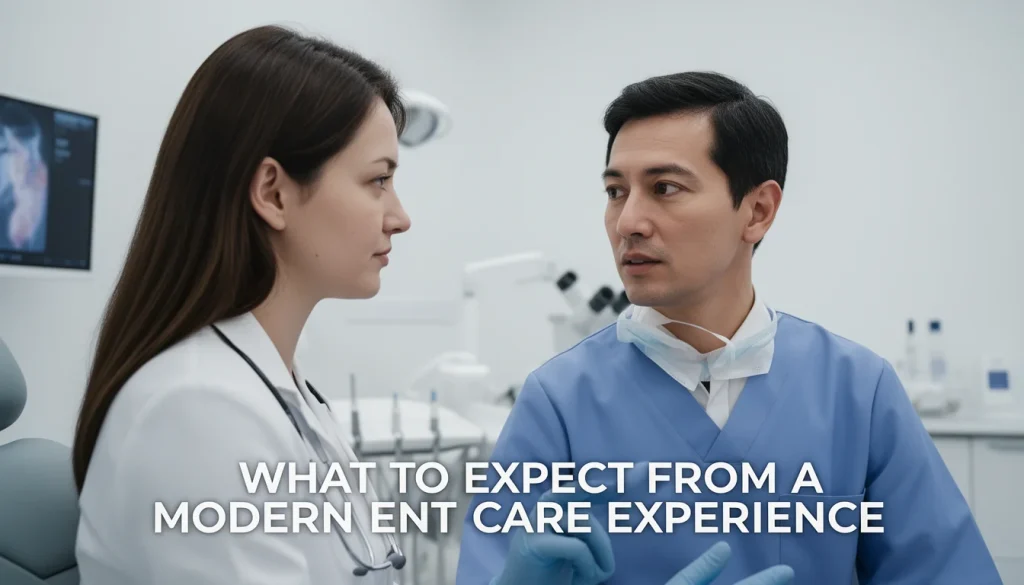
Modern ENT Care: A Patient-Centered Approach
How ENT care has changed
Over recent years, the way people access ear, nose, and throat (ENT) care has shifted toward more patient-centered, efficient, and comfortable experiences. Advances in clinic operations, diagnostics, and treatment planning now prioritize individual needs throughout the entire care pathway. This article explains the key elements of modern ENT practice and what patients can expect during diagnosis, treatment, and follow-up.
Streamlined Access and Initial Consultation
Simplified appointment scheduling
Convenient scheduling sits at the heart of contemporary ENT services. Many clinics now offer online booking to reduce wait times and make appointment selection easier for patients. The ability to view availability and reserve slots electronically helps people receive timely care while reducing administrative burdens on clinic staff.
What happens at the first visit
The initial consultation is focused on listening and information gathering. Experienced clinicians take time to hear the patient’s symptoms, medical history, and any prior treatments. This open dialogue builds trust, clarifies expectations, and establishes the clinical context needed for accurate evaluation. Establishing clear communication early supports shared decision-making throughout care.
Advanced Diagnostic Tools for Accurate Assessment
High-quality diagnostics
Established ENT practices use advanced diagnostic equipment to identify the root causes of symptoms. Tools such as video endoscopy, digital audiology, and high-resolution imaging enable clinicians to visualize anatomy, measure hearing function, and document findings precisely. These capabilities support faster, more accurate assessments and reduce uncertainty in diagnosis.
Impact on treatment planning
When clinicians have clear diagnostic information, they can craft more targeted and effective treatment plans. Visual and quantitative data from modern tools help explain the condition to patients and guide choices about medical therapy, procedures, or surgery. Accurate diagnosis reduces unnecessary interventions and helps set realistic expectations for outcomes.
Individualized Treatment Planning
Personalized recommendations
Rather than applying a one-size-fits-all approach, modern ENT care emphasizes individualized plans that reflect a patient’s health status, lifestyle, and preferences. Clinicians evaluate the full clinical picture—symptoms, functional impact, and personal goals—to recommend options that best align with each patient’s needs.
Collaborative care decisions
Patients are guided through available options, including conservative medical management, minimally invasive procedures, and surgical solutions when appropriate. This collaborative model encourages informed choices and ensures recommended treatments match the patient’s values and circumstances.
Prioritizing Comfort and Patient Experience
Reducing anxiety during visits
Comfort is a key consideration in modern ENT settings. Gentle examination techniques, clear explanations, and attentive staff help reduce patient anxiety. Thoughtful clinic design and welcoming waiting areas contribute to a calmer experience, making it easier for patients to engage in care.
Respectful, compassionate interactions
Clinics emphasize respect and compassion in every interaction. Staff are trained to address questions thoroughly and to maintain patient dignity and privacy. These elements foster trust and encourage people to seek help sooner when problems arise.
Clear Communication and Patient Education
Explaining diagnoses and treatments
Effective communication is central to good ENT practice. Providers use plain language to describe diagnoses, proposed treatments, and expected outcomes so patients understand their condition and options. Transparent discussion of benefits and potential risks supports informed consent and realistic expectations.
Ongoing support and resources
Education also extends to self-care and prevention. Clinicians often provide guidance on symptom monitoring, at-home management, and when to seek further care. Clear follow-up instructions help patients participate actively in their recovery.
Minimally Invasive Techniques and Faster Recovery
Less invasive procedures
Many contemporary ENT interventions favor minimally invasive methods that reduce tissue damage and postoperative discomfort. These techniques typically involve smaller incisions or specialized instruments designed to limit trauma. As a result, patients often experience less pain and faster recovery compared with more invasive approaches.
Patient counseling about risks and recovery
Clinicians explain the expected recovery timeline and potential risks associated with any procedure, enabling patients to prepare and plan. Clear preoperative and postoperative instructions contribute to smoother healing and better outcomes.
Follow-Up Care and Long-Term Management
Coordinated follow-up
After treatment, continued support is essential. Clinics schedule follow-up visits to monitor recovery, assess treatment effectiveness, and address concerns. This ongoing contact allows clinicians to adjust care plans as needed and to identify complications early.
Feedback and adaptive care
Providers invite patient feedback throughout the healing process, using that information to refine ongoing management. This adaptive approach reinforces trust and promotes sustained health gains.
Telemedicine and Remote Access
Virtual consultations
Telemedicine options now complement in-person ENT care. Remote visits let patients discuss symptoms, review treatment progress, and receive advice from home. Virtual consultations are particularly valuable for those with mobility limitations, busy schedules, or travel barriers.
Maintaining quality in virtual care
Clinics work to ensure that telehealth encounters provide meaningful assessment and clear guidance. When a remote visit indicates a need for physical examination or diagnostic testing, clinicians arrange in-person follow-up to complete the evaluation.
Preventive Focus to Reduce Recurrence
Emphasis on prevention
Preventive measures are a core component of modern ENT care. Providers counsel patients on strategies to reduce recurring problems, such as allergy management, hearing protection, and lifestyle adjustments that support mucosal and respiratory health. Prevention aims to maintain long-term well-being and minimize the need for repeated interventions.
Conclusion: A Holistic, Trusted Model of ENT Care
Putting patients at the center
Contemporary ENT care combines technological capability with compassionate, patient-centered practices. From convenient scheduling and precise diagnostics to individualized treatment plans and preventive guidance, the modern approach supports better clinical decisions and improved patient experiences. By emphasizing clear communication, comfort, and coordinated follow-up, clinicians help patients achieve both physical recovery and greater confidence in their long-term health.