Could Turmeric Be Key to Better Managing Diabetes?
Introduction
Turmeric, an ancient remedy, has garnered attention for its potential benefits in managing diabetes. This article explores scientific findings on turmeric’s role in diabetes management and its protective effects against complications associated with the condition.
Key Points
– Effects of turmeric on blood glucose and insulin resistance
– Preventing the progression of type 2 diabetes
– Its role in protecting against kidney damage
– Antioxidant properties in the management of cardiovascular disease
– Comparison of turmeric with traditional diabetic drugs
Understanding Turmeric and Its Benefits
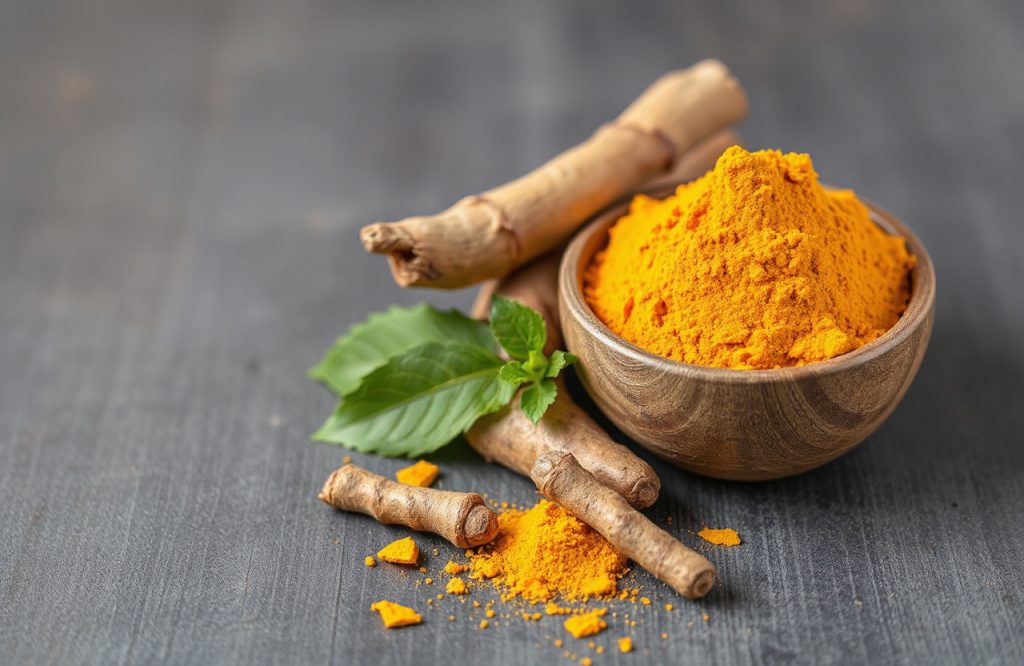
Turmeric is derived from the Curcuma longa plant and contains curcumin, the compound responsible for its vibrant yellow color. Traditionally used in ancient medicine to alleviate swelling and enhance digestion, turmeric has gained recognition for its potential in preventing cardiovascular and kidney diseases.
Turmeric’s Effects on Blood Sugar in Diabetics
Diabetes is characterized by impaired blood sugar regulation. Research indicates that adding turmeric to the diet may lower high blood sugar (hyperglycemia) levels. One notable study compared the effects of turmeric and insulin on blood glucose in rats.
In this study, three groups were tested: one received insulin, another turmeric, and the last a combination of both. The results showed that the combination significantly reduced blood glucose levels, suggesting turmeric could enhance insulin’s effect. Further research is necessary to establish the optimal ratio of insulin and turmeric for diabetes management.
Potential for Preventing Diabetes Progression
Diabetes is increasingly prevalent, with statistics from the Centers for Disease Control and Prevention indicating that one in three Americans has prediabetes. Research exploring curcumin’s effects on at-risk individuals showed promising results. In a study, none of the participants taking turmeric developed type 2 diabetes after nine months, in stark contrast to 16% in the control group.
Additionally, the turmeric group demonstrated reduced insulin resistance and improved beta cell function, critical for insulin production. Turmeric’s antioxidant capabilities may protect beta cells from oxidative stress, suggesting its incorporation into pre-diabetes care could be beneficial.
Turmeric and Diabetic Nephropathy
Kidney disease, or nephropathy, is a common complication of diabetes, often resulting from prolonged high blood sugar and hypertension. Turmeric may help lower blood glucose levels and offer antioxidant protection against kidney damage.
A study conducted in 2013 examined the effects of curcumin on rats with type 1 diabetes, measuring levels of nephrin, a protein indicative of kidney health. The results showed that diabetic rats receiving curcumin had significantly higher nephrin levels, nearing those of healthy rats.
Impact on Diabetes-Induced Cardiovascular Disease
Individuals with diabetes face a heightened risk of cardiovascular disease, potentially developing heart complications 15 years sooner than non-diabetic individuals. High blood sugar and cholesterol levels are contributing factors.
Research has shown that turmeric can lower lipid levels in the blood. In one study, diabetic rats administered turmeric exhibited a notable reduction in blood fat levels. Another investigation revealed a significant decrease in LDL (bad cholesterol) among individuals consuming turmeric, highlighting its potential in managing cardiovascular risks.
Comparing Turmeric to Conventional Diabetic Medications
A 2019 study evaluated the effects of Metformin and turmeric on blood glucose levels and cholesterol in diabetic rats. Both treatments independently reduced these metrics, but their combination yielded even greater improvements. This suggests that integrating turmeric into diabetes treatment could reduce reliance on prescription medications and lead to more natural management strategies.
Conclusion
The health benefits of turmeric are being increasingly unveiled, particularly in relation to diabetes management. Individuals diagnosed with prediabetes or diabetes should consult healthcare providers about incorporating turmeric into their treatment plans. Many health products, including turmeric-infused teas and capsules, are now readily available. However, it is crucial to discuss any new supplements with a medical professional before use.
References
1. Gutierrez, V. O. et al. (2019). Curcumin improves the effect of a reduced insulin dose on glycemic control and oxidative stress in streptozotocin-diabetic rats. Phytotherapy Research; 33(4): 976-988. Doi: 10.1002/ptr.6291.
2. Centers for Disease Control and Prevention. National Diabetes Statistics Report 2020. (2020). U.S. Department of Health and Human Services.
3. Diabetes Canada. (2019). The 2019 Diabetes Canada Cost Model.
4. Chuengsamarn, S. et al. (2012). Curcumin Extract for Prevention of Type 2 Diabetes. Diabetes Care; 35(11): 2121-2127.
5. Jim, B. et al. (2012). Dysregulated Nephrin in Diabetic Nephropathy of Type 2 Diabetes: A Cross-Sectional Study. PLoS One; 7(5): e36041.
6. Soetikno, V. (2013). Curcumin decreases renal triglyceride accumulation through AMPK-SREBP signaling pathway in streptozotocin-induced type 1 diabetic rats. The Journal of Nutritional Biochemistry; 24(5): 796-802.
7. Heart disease & stroke. (n.d.). Diabetes Canada.
8. Qin, S. et al. (2017). Efficacy and safety of turmeric and curcumin in lowering blood lipid levels in patients with cardiovascular risk factors: a meta-analysis of randomized controlled trials. Nutritional Journal; 16(1): 68.
9. McGovern, A. et al. (2017). Comparison of medication adherence and persistence in type 2 diabetes: A systemic review and meta-analysis. Diabetes, Obesity and Metabolism; 20(4): 1040-1043.
10. Roxo, D. F. et al. (2019). Curcumin combined with metformin decreases glycemia and dyslipidemia, and increases paraoxonase activity in diabetic rats. Diabetology & Metabolic Syndrome; 11: 33.