Exploring the Health Benefits of Turmeric for Endometriosis
Understanding Endometriosis
Endometriosis is a chronic inflammatory condition characterized by the presence of uterine glands and endometrial tissues outside the uterus. These extrauterine tissues can lead to painful lesions and various symptoms, including dysmenorrhea (painful menstrual periods), irregular uterine bleeding, infertility, and chronic pelvic pain. These symptoms can be debilitating, significantly impacting the quality of life for those affected. Additionally, endometriosis may increase the risk of other health issues, such as certain autoimmune diseases and cancers, although further research is required to establish these connections.
Endometriosis frequently remains undiagnosed, with an average delay of 6.7 years between the onset of symptoms and surgical diagnosis. Consequently, many individuals endure these debilitating symptoms for extended periods before receiving appropriate treatment.
Treatment Options for Endometriosis
While there is no definitive cure for endometriosis, various treatment options exist to help manage its symptoms. Hormonal therapies, such as birth control pills, hormonal contraceptives that inhibit ovulation, progestins, and GnRH analogs that lower estrogen levels, are commonly utilized. Additionally, non-steroidal anti-inflammatory drugs (NSAIDs) and other pain relievers may be prescribed to alleviate pain associated with the condition.
Surgical options include removing lesions or severing specific nerves in the uterus that transmit pain signals. However, these procedures carry potential health risks, and hormonal treatments may result in adverse side effects. Research is increasingly focusing on plant-derived compounds, such as those found in turmeric, as potential therapies for chronic inflammatory conditions like endometriosis.
Turmeric and Its Potential Benefits
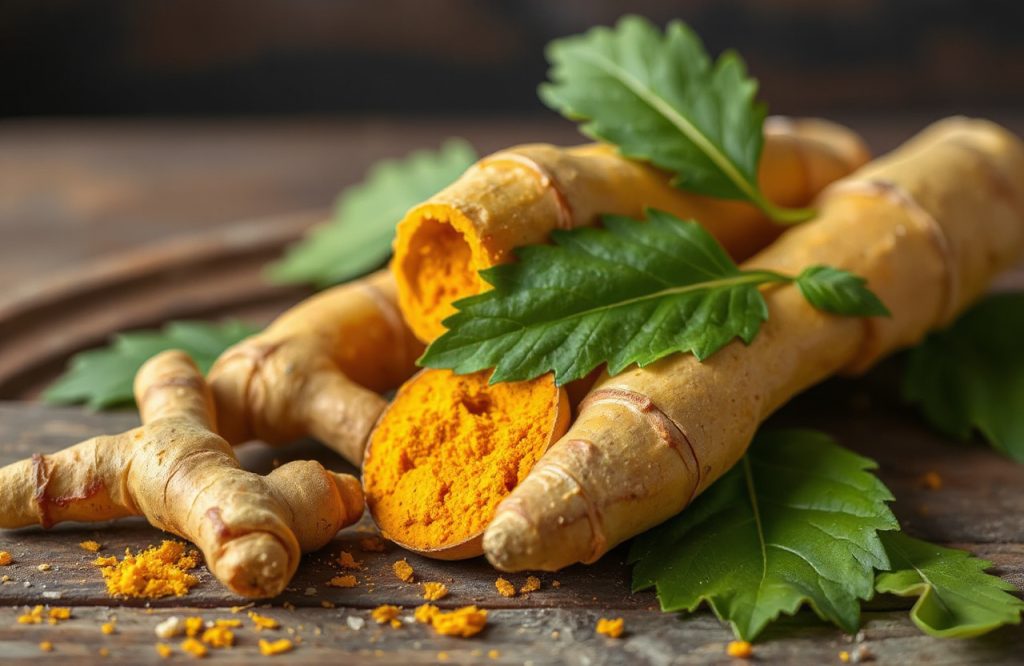
Turmeric, a vibrant yellow spice known for its earthy and bitter flavor, contains a polyphenol called curcumin. Although the FDA has not approved curcumin for treating any specific condition, numerous studies suggest its anti-inflammatory properties may help regulate immune system components. Importantly, curcumin is generally recognized as safe, setting it apart from many herbal supplements.
Given that endometriosis is an inflammatory disorder, some researchers propose that turmeric (curcumin) might aid in alleviating inflammatory symptoms associated with the condition. This article aims to explore the existing research on this hypothesis.
Research indicates that curcumin could potentially mitigate inflammation through the downregulation of the NF-kB pathway, a biochemical process linked to the development of endometriosis. Furthermore, studies reveal that curcumin possesses antioxidant properties, which help neutralize free radicals—chemical compounds generated through environmental stressors and the aging process. Oxidative stress, resulting from an imbalance between free radicals and antioxidants, may contribute to cell and tissue damage, and some studies suggest a connection between oxidative stress and endometriosis. This correlation makes turmeric a compelling area for further research as a potential therapy.
The Need for More Research
Despite the promising potential of turmeric, further research is necessary to validate its benefits for endometriosis and determine its effectiveness as a therapeutic option. As always, individuals should consult with their healthcare provider before incorporating any supplements into their regimen to ensure they are appropriate for their specific health needs.