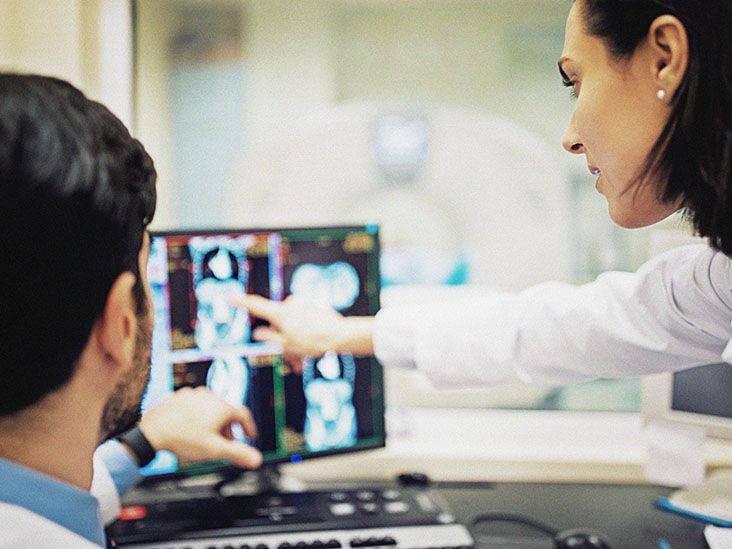
Radiation therapy is a standard approach to cancer treatment, employing radiation to eradicate or shrink cancer cells and tumors. The primary forms of radiation therapy used for cancer treatment are external beam radiation and internal radiation therapy.
The recommended radiation type is dependent on several factors, including the nature of the cancer, the size and location of the tumor, and the individual’s overall health. The goals of radiation therapy can vary, such as augmenting the effectiveness of surgery, curbing the spread of cancer, or alleviating symptoms of advanced cancer.
This piece delves into the various forms of radiation therapy, outlining their operation, side effects, and potential risks. It also provides an overview of what to anticipate during radiation therapy and probable outcomes.
Radiation therapy leverages high-energy beams to obliterate cancer cells and reduce tumor size. It damages the DNA within cancer cells, and if these cells cannot repair their genetic material, they may die. Although the radiation can harm noncancerous cells, most can recover, according to the American Cancer Society (ACS). A treatment team will meticulously plan radiation therapy to minimize damage to normal tissues and organs.
There are two primary forms of radiation therapy employed to treat cancers: external and internal. External beam radiation is the most prevalent type of radiation treatment for cancer. As the name suggests, the energy beams originate from a machine outside the body, precisely aimed by a healthcare professional to reach the cancer site. This method is also referred to as teletherapy.
The second main type of radiation treatment is internal radiation therapy, also known as brachytherapy. Here, a doctor places an implant containing radiation in or near the cancer site. The implants can come in various forms, including tubes, wires, capsules, seeds, and pellets.
Another variant of internal radiation therapy is systemic radiation therapy. This requires a person to ingest a radioactive substance, which circulates throughout the body to locate and eliminate cancerous cells. Alternatively, a healthcare professional may introduce the radioactive substance into a person’s vein.
External beam radiation and brachytherapy function similarly, both focusing high-energy beams on a specific part of the body to destroy cancer cells. However, the two therapies differ in the source of the radiation. In brachytherapy, the radiation emanates from an implant placed near or in a tumor, while in external beam radiation, the radiation originates from a machine outside the body.
Radiation therapy can serve several purposes, such as reducing or curing early-stage cancer, inhibiting cancer from spreading to another part of the body, treating recurring cancer, or relieving symptoms of advanced cancer.
The National Cancer Institute (NCI) suggests that brachytherapy may be particularly effective for cancers in specific body parts, including the cervix, vagina, uterus, rectum, head, neck, and eye. It may also be recommended for cancers of the prostate, brain, lung, skin, breast, esophagus, anus, and bladder.
The process for both external beam radiation therapy and brachytherapy begins with a planning meeting. Here, a doctor will examine the individual, discuss their health history, and outline the therapy. For external beam radiation, a radiation oncologist and a radiation therapist will conduct a planning session called a simulation. This involves marking the patient’s skin to guide the energy beam direction and creating a body mold to ensure correct positioning during therapy.
What a patient can expect during radiation therapy depends on the type of therapy. In external beam radiation, the patient lies under a large machine, while the radiation therapist positions them and then retreats to a separate room. During brachytherapy, the treatment team uses a catheter or larger device to insert the radioactive implant.
When combined with other treatments like surgery or chemotherapy, radiation therapy is referred to as adjuvant treatment. It can be used before surgery to shrink a tumor for easier removal or after surgery to destroy any remaining cancer cells. It can also be part of palliative care to alleviate symptoms of advanced cancer.
The ACS notes that radiation therapy can cause side effects, including extreme fatigue, loss of appetite, and skin irritation in the treated area. However, there are ways to alleviate these side effects, such as adjusting daily routines, maintaining a healthy diet, staying hydrated, and discussing any concerns with the treatment team.
While radiation treatment may be sufficient to cure certain early-stage cancers, the NCI suggests that outcomes are generally better when both radiation and chemotherapy follow surgery. It’s crucial to note that a person can’t receive an unlimited amount of radiation, so doctors restrict the therapy to one part of the body and limit the total amount a person receives over their lifetime.
Radiation therapy is a commonly used cancer treatment, provided alone or in combination with other treatments. The main types of radiation therapy are external beam radiation and internal radiation therapy, or brachytherapy. The type of cancer, tumor location, and treatment goals will help determine the most suitable radiation treatment course for an individual.