Wearable Fitness Devices: An Overview
Popularity and Purpose
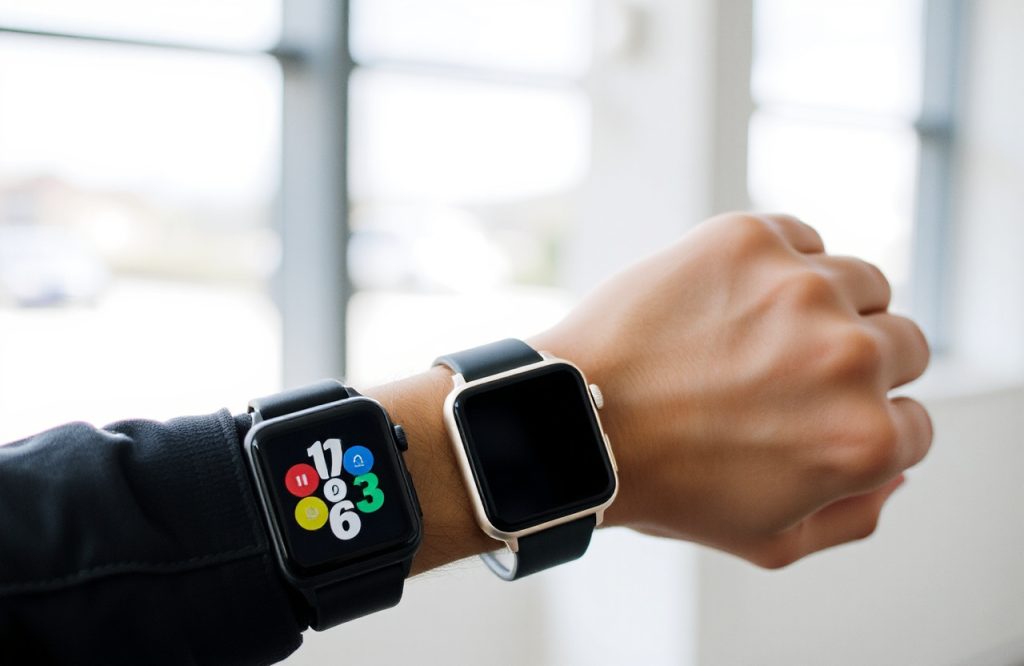
In recent years, wearable fitness devices have gained significant popularity among individuals looking for motivation during workouts and data collection on their lifestyles. These devices serve various functions, including monitoring fitness metrics, counting calories, measuring heart rate, and tracking sleep patterns. Typically, they are designed as watches, wristbands, clips, or glasses and can be synced with computers or smartphones.
The Challenge of Choosing the Right Device
While these devices aim to provide real-time information in a convenient manner, the abundance of options without an objective review system can create confusion for consumers.
Research Findings on Fitness Trackers
Study Overview
A recent study published in BioMed Central Public Health evaluated four of the top ten popular wearable fitness devices based on user satisfaction, ease of use, and accuracy. The selected devices for this analysis were the Fitbit Flex (Fitbit Inc, San Francisco, California, USA), Withings Pulse (Withings SA, Issy les Moulineaux, France), Misfit Shine (Misfit Inc., Apple Inc., Burlingame, California, USA), and Jawbone Up24 (Jawbone, San Francisco, California, USA).
Device Comparisons
The study assessed various aspects, including device specifications, user satisfaction scores, feedback from online reviews, and the precision of activity tracking. The participants, consisting of six men and one woman aged between 27 and 50 years, were graduate students from South Korea. They provided their satisfaction ratings after using each device for a week.
Participant Feedback and Scores
The results revealed that the Misfit Shine and Fitbit Flex received low satisfaction scores primarily because they did not accurately track stair climbing or descending. In contrast, the Withings device achieved the highest satisfaction score, demonstrating superior repeatability and accuracy, alongside a user-friendly interface. Overall, the ranking of the devices from highest to lowest was Withings, Jawbone, Fitbit, and Misfit.
Conclusion
Each device showcased unique advantages and disadvantages. Verifying both the quality and claims of wearable fitness devices, through objective and subjective reviews, can assist users in selecting the best model suited to their personal needs.
Related Topics of Interest
- Can wearable activity monitors help monitor cancer development?
- Do wearable defibrillators save lives?
- New wearable device tracks UV exposure
- Wearable sensors to detect early signs of anxiety in children are in development
- Smartphones more useful than wearables as remote patient monitoring devices
- Wearable devices can detect COVID-19
- Top Benefits of Wearable Technology in Home-Based Healthcare
- Can wearable devices screen for depression?