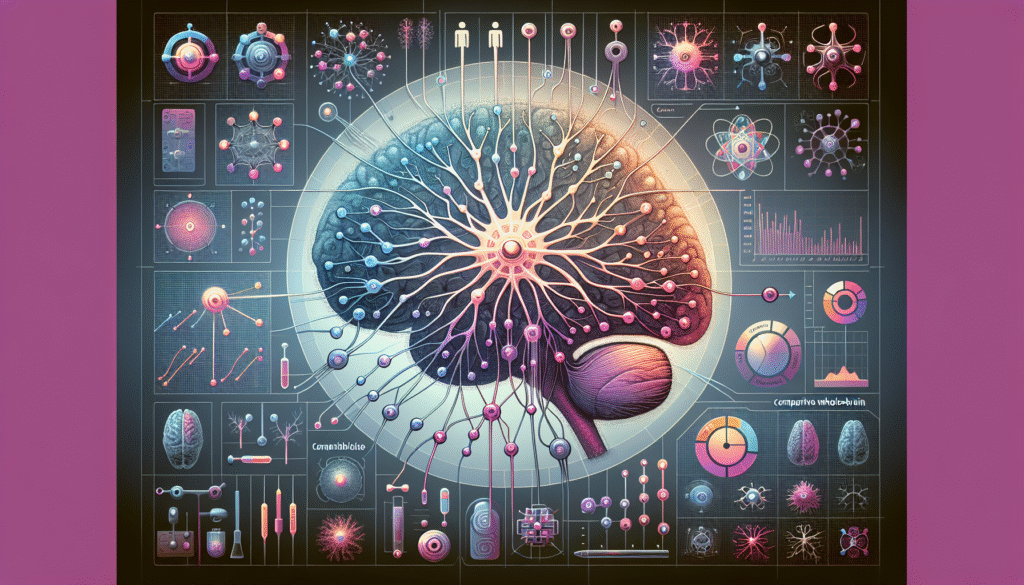
Groundbreaking research into the intricacies of the human brain has led to the identification of neurons that play pivotal roles in controlling neurological functions. This discovery was made possible by comprehensive whole-brain and single-cell analyses.
In an unprecedented scientific endeavor, researchers embarked on a journey to decode the enigmatic workings of the human brain, the body’s most intricate organ. Utilizing cutting-edge comparative whole-brain and single-cell analyses, they were able to uncover key neurons responsible for directing various neurological functions.
The study’s findings offer a profound understanding of the brain’s complex network of neurons. The identification of these ‘conductor’ neurons, as they’re being labeled, could potentially usher in a new era of neurological treatment methods.
While the human brain’s complexity has been a long-standing hurdle in neuroscience, these recent findings have begun to unravel its mysteries. The successful identification of these crucial neurons is a testament to the power and potential of whole-brain and single-cell analyses.
The scientific community is already abuzz with the possibilities this discovery could bring. It paves the way for a more nuanced understanding of neurological disorders and could be instrumental in developing more effective treatments. For instance, in conditions like Alzheimer’s disease, where specific brain cells are damaged, the newfound knowledge about conductor neurons could be a game-changer.
In conclusion, the breakthrough made possible by these comparative analyses marks a significant advancement in the field of neuroscience. It not only sheds light on the brain’s intricate operations but also sets the stage for potential developments in neurological treatment methods. As our understanding of the brain continues to evolve, so too does the hope for more effective ways to treat its disorders.