Understanding the Impact of High Cholesterol
Risks Associated with High Cholesterol Levels
High cholesterol levels significantly elevate the risk of strokes and heart attacks. To mitigate these risks, healthcare professionals often recommend dietary adjustments alongside prescribed medications. One effective strategy is to increase dietary fiber intake, specifically targeting the reduction of “bad” LDL cholesterol.
Konjac’s Role in Cholesterol Reduction
A recent meta-analysis has highlighted that smaller doses of konjac, a tuber recognized for its high viscosity fiber content, can double the reduction of LDL cholesterol compared to other fiber sources like oats. This finding underscores the potential of konjac in managing cholesterol levels.
The Nature of Cholesterol
What is Cholesterol?
Cholesterol is a vital substance found in cells and the bloodstream, essential for producing cell membranes, bile acids that aid in fat digestion, and hormones. It is crucial for proper neurological functioning. While our bodies produce cholesterol, it is also obtained from dietary sources such as fatty meats, cheese, and egg yolks.
Understanding Cholesterol Levels
A person’s total cholesterol count reflects the overall amount of cholesterol in their blood. This count includes HDL (high-density lipoproteins), which transport cholesterol to the liver for excretion, LDL (low-density lipoproteins), which distribute cholesterol to cells, and triglycerides, which provide energy. Elevated levels of triglycerides and LDL cholesterol are problematic, as they can lead to plaque buildup in blood vessels, increasing the risk of high blood pressure, stroke, and heart disease.
Managing Cholesterol Levels
Diet and Lifestyle Recommendations
While medications may be necessary to maintain healthy cholesterol levels, doctors also advocate for lifestyle changes. These include increasing physical activity and adopting a diet low in trans fats, tropical oils, and fatty meats and cheeses. Foods rich in soluble fiber, such as oats, barley, beans, and lentils, are particularly beneficial as they help lower LDL cholesterol levels.
Konjac: A Unique Source of Soluble Fiber
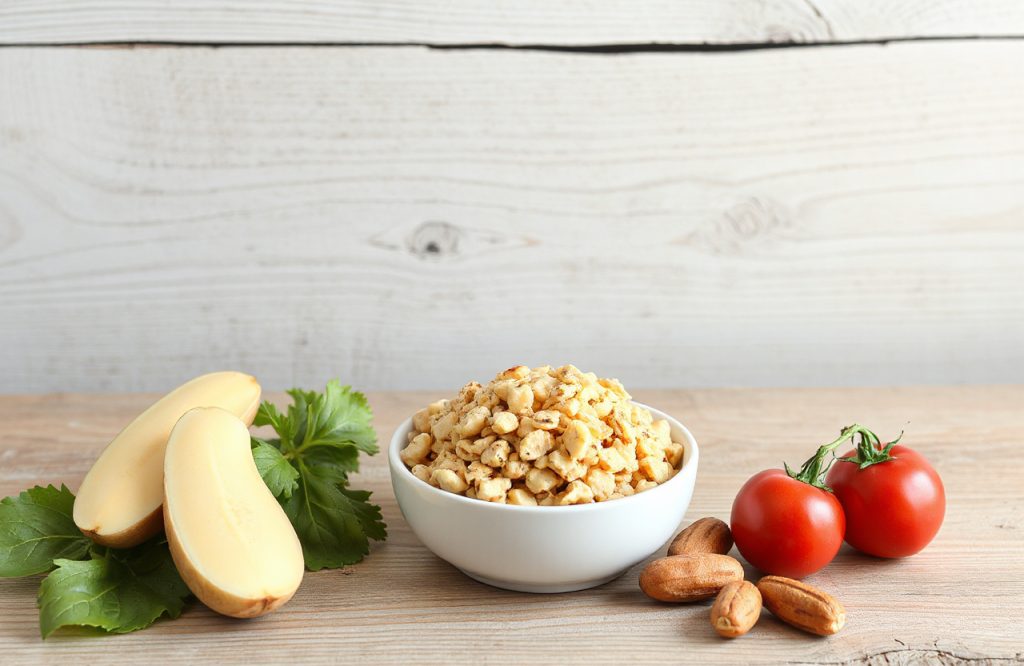
Konjac, a tuber root containing glucomannan—one of the most viscous dietary fibers—has been utilized in Asia for centuries as both food and remedy. However, its efficacy compared to other viscous fiber sources in lowering LDL cholesterol remains unclear.
Research Findings on Konjac Glucomannan
Study Overview
A 2017 study published in the American Journal for Clinical Nutrition conducted a systematic review and meta-analysis of randomized controlled trials on konjac glucomannan (KJM) and its effects on LDL and non-HDL cholesterol. This comprehensive analysis drew data from 12 studies conducted in various countries, including Canada, the United States, Italy, Sweden, and Taiwan, involving a total of 370 participants.
Key Results
The meta-analysis revealed that all doses of KJM significantly reduced LDL and non-HDL cholesterol levels. Notably, LDL cholesterol reduction was consistent across both adults and children, as well as among diverse participant groups, including those who are hypercholesterolemic, overweight/obese, insulin resistant, and healthy. While other soluble dietary fibers typically lower LDL levels by 5% with a dosage of 5-10 grams, just 3 grams of KJM resulted in a 10% reduction. Additionally, each gram of KJM was associated with an average reduction of non-HDL cholesterol by 0.1 mmol/L.
Conclusion and Future Directions
The study concluded that viscosity is a crucial factor in lowering cholesterol concentrations. The smaller doses of KJM needed for effective cholesterol management also minimize the gastrointestinal discomfort often linked with increased fiber intake. Future research is anticipated to further explore the benefits of KJM as it gains recognition in Europe and North America.
Author Information
Written by: Debra A. Kellen, PhD