Link Between Vitamin K Deficiency and Pulmonary Disease Development
Chronic Obstructive Pulmonary Disease (COPD) Overview
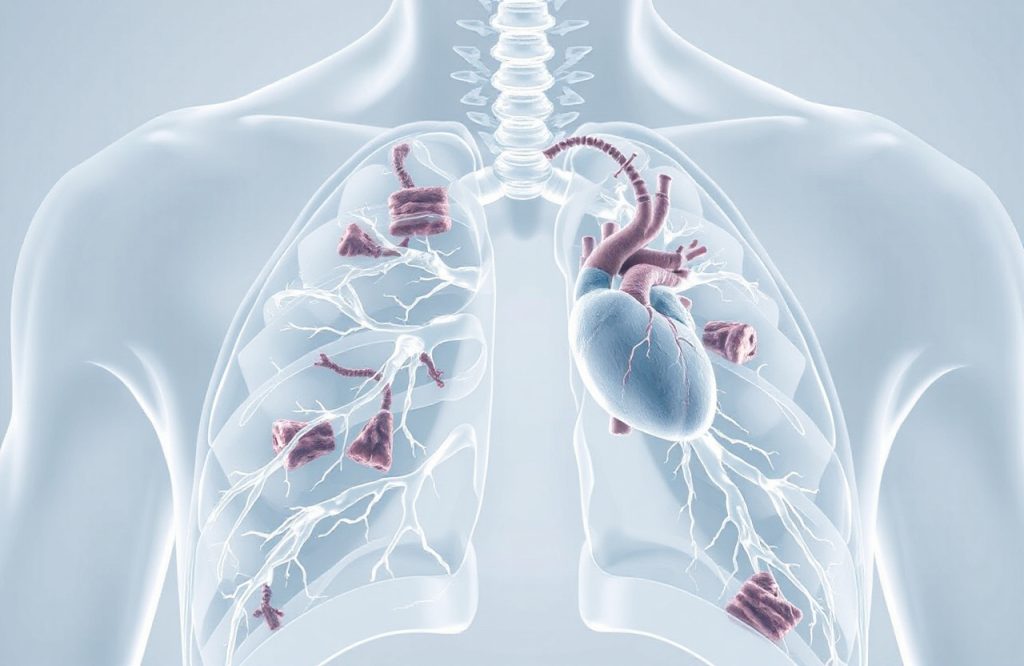
A recent review explored the potential association between vitamin K deficiency and the mechanisms involved in the development of pulmonary diseases. Chronic obstructive pulmonary disease (COPD) is marked by lung inflammation, leading to breathlessness due to restricted airflow. Research indicates that this inflammation may extend beyond the lungs and affect other organs, including the heart, potentially resulting in conditions such as coronary artery disease.
Impact of Anticoagulation Medication on Vitamin K Levels
The high prevalence of COPD in conjunction with cardiovascular diseases necessitates that patients often use anticoagulation medications, like vitamin K antagonists. While these medications help prevent blood clots, they can also lead to significant vitamin K deficiency. Long-term reliance on anticoagulants may stem from acute exacerbations, often triggered by pulmonary embolisms, which are blockages in the lungs generally caused by blood clots.
Mechanism of Vitamin K Antagonists
Vitamin K antagonists function by inhibiting vitamin K, an essential cofactor for activating the coagulation pathway. However, a notable side effect of these medications is vascular calcification, which poses serious risks for cardiovascular morbidity and mortality. Vitamin K is crucial for activating a protein that effectively inhibits arterial calcification. Conversely, increasing vitamin K intake has been associated with protective effects against vascular calcification.
Elastin Degradation and Its Role in COPD
A common mechanism linking vascular calcification and the progression of COPD is elastin degradation. Elastin, found in both lung and arterial tissues, provides essential elasticity and resilience. The breakdown and calcification of elastin are interrelated pathogenic processes that may contribute to the observed correlation between COPD and cardiovascular diseases.
Research Findings on Vitamin K Deficiency
In a study published in Respiratory Research, researchers from the Netherlands proposed that vitamin K deficiency significantly influences the rate of elastin degradation and calcification, which are associated with the pathogenic mechanisms in COPD. The study reviewed existing literature, including observational studies, human research, and animal interventions.
Factors Contributing to Vitamin K Deficiency
Vitamin K deficiency can arise from various factors, including inadequate dietary intake. Notably, a large observational study indicated that high cheese consumption, which is rich in vitamin K2, correlated with improved lung function and reduced emphysema rates. However, individuals experiencing higher elastin degradation tend to have increased vitamin K expenditure. This cycle can lead to further vitamin K deficiency, significantly affecting the survival rates of COPD patients due to their increased cardiovascular risks.
Conclusions and Future Research Directions
There is substantial circumstantial evidence supporting the hypothesis that vitamin K deficiency links elastin degradation to the pathogenic mechanisms of cardiovascular diseases in COPD patients. This raises concerns regarding the efficacy and safety of the widely used vitamin K antagonists in managing COPD. Future research should focus on the potential role of vitamin K supplementation in mitigating elastin degradation and vascular calcification. Additionally, human cohort studies are essential to evaluate the relationship between vitamin K deficiency and the progression of diseases such as emphysema in COPD patients.
References
Piscaer I, Wouters EFM, Vermeer C, Franssen FME, Janssen R. Vitamin K deficiency: the linking pin between COPD and cardiovascular diseases? Respiratory Research Nov 13 2017; 18:189. Doi: 10.1186/s12931-017-0673-z.
Chatrou ML, Winckers K, Hackeng TM, Reutelingsperger CP, Schurgers LJ. Vascular calcification: the price to pay for anticoagulation therapy with vitamin K-antagonists. Blood Rev. 2012 Jul;26(4):155-66. doi: 10.1016/j.blre.2012.03.002.