Too Much Sitting is the New Smoking
The Shift to a Sedentary Lifestyle
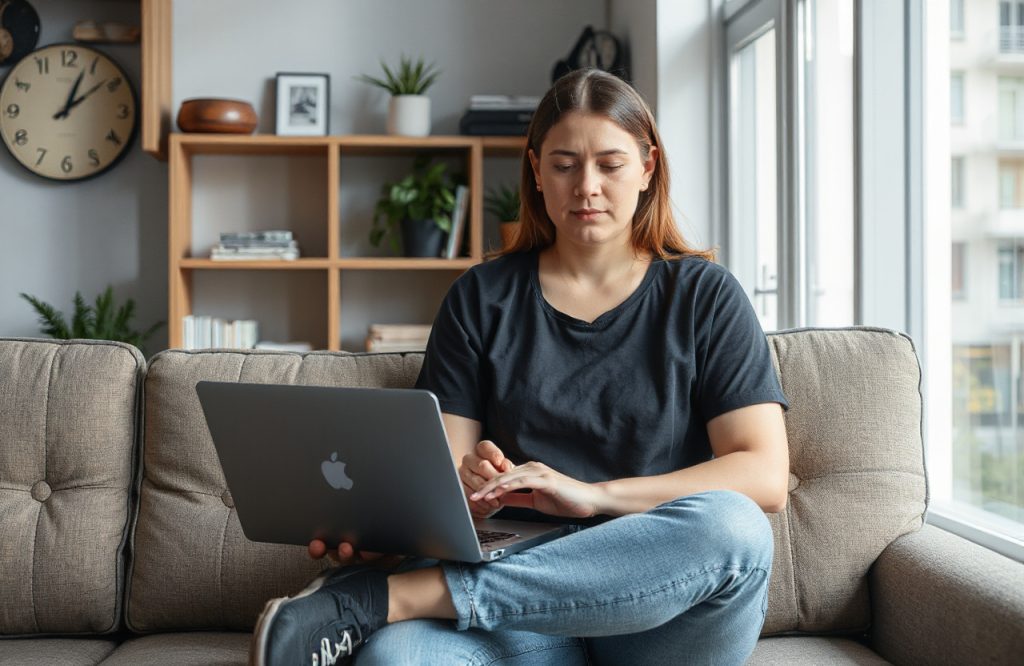
Since the onset of the pandemic, many individuals have transitioned to working and studying from home. This shift has led to an unintentional increase in sitting time, with some spending over 10 hours daily in front of screens. The consequences of a sedentary lifestyle have long been warned against by health professionals, as the human body is designed for movement and activity. Even those who avoid unhealthy habits and monitor their diets can still face health risks due to prolonged sitting and minimal exercise.
Effects of a Sedentary Lifestyle
Weight Gain
Extended periods of sitting contribute to weight gain. When activity levels decrease, calorie expenditure drops, and metabolism slows, leading to an increased likelihood of becoming overweight.
Weaker Bones
A lack of movement can result in loss of mineral content in bones. As individuals remain inactive, their bones and joints may become brittle and weak.
Weak Muscles
Inactivity also affects muscle strength and endurance. Without regular exercise, muscles can weaken, causing fatigue even with minimal physical activity.
Poor Immune System
Sedentary behavior impairs the body’s overall functionality, weakening the immune system. This increases vulnerability to various illnesses and diseases.
Chronic Illnesses
A sedentary lifestyle is linked to hormonal imbalances, inflammation, and poor blood circulation, all of which can lead to serious health conditions.
Risks Associated with a Sedentary Lifestyle
Obesity
Uncontrolled weight gain can escalate to obesity, which is associated with numerous serious health issues, including hypertension, thyroid disorders, joint pain, sleep apnea, and stroke.
Heart Diseases
Reduced physical activity slows blood flow, potentially leading to high blood pressure, lower cholesterol levels, and elevated blood sugar. These changes can damage blood vessel walls, increasing the risk of heart attacks and related conditions.
Osteoporosis
Inactivity can disrupt the body’s regulatory mechanisms, resulting in weaker bones and increased risk of osteoporosis, which is accompanied by decreased muscle flexibility and potential pain.
Cancer
Prolonged inactivity can heighten the risk of various cancers, including lung, breast, and colon cancer.
Mental Health Issues
Extended sedentary periods negatively impact mental health, leading to restlessness, stress, anxiety, and depression. This is particularly prevalent among adolescents and adults who spend excessive time on digital devices. Poor sleep and unhealthy dietary choices can exacerbate these mental health challenges.
Impact of Sedentary Lifestyle on Mental Health
Remaining inactive for long durations can diminish motivation and contribute to fatigue, complicating stress and anxiety management. This cycle, if left unaddressed, can lead to more severe mental health issues. Adopting positive behavioral changes can boost motivation, enhance energy levels, and alleviate symptoms of anxiety, depression, and stress.
Taking Action: Start Moving Today
Exercise
Begin with short sessions of 5 to 10 minutes of exercise if you have been inactive. Gradually increase your routine as your fitness level improves. Consistent, brief workouts are more beneficial than infrequent longer sessions.
Be Active at Home
Incorporate physical activity into your day-to-day life. While watching TV, consider lifting weights or using an exercise bike. Spending time in your garden can also provide physical and mental health benefits.
Stay Active at Work
For those in office settings, aim to stand and move around for a few minutes each hour. Utilize breaks for short walks, and consider standing or walking meetings. If working from home, take walks in your neighborhood during lunch breaks.
Conclusion
Adopting an inactive lifestyle can significantly affect overall health, particularly during stressful times like the pandemic. It is crucial to recognize the consequences of prolonged sitting and take proactive measures to enhance well-being.
Further Information
If you have additional questions regarding mental health or seek ways to improve it, please visit our website for more resources and options.
Photo by Mikhail Nilov from Pexels
Any websites linked from Medical News Bulletin are created by organizations outside of Medical News Bulletin and are solely responsible for the content. These links are provided as a convenience for additional information only. Medical News Bulletin does not endorse or approve the content of third-party sites and is not liable for their accuracy or content. Use of third-party websites is at your own risk and subject to their terms and conditions. Medical News Bulletin does not offer specific medical advice, diagnosis, or treatment and disclaims any associated obligations or liabilities.